Sanskrit University suspension row: Govindan backs stir, says it should go on till suspended students write exams
Source Entity
India Latest News: Top National Headlines Today & Breaking News | The Hindu
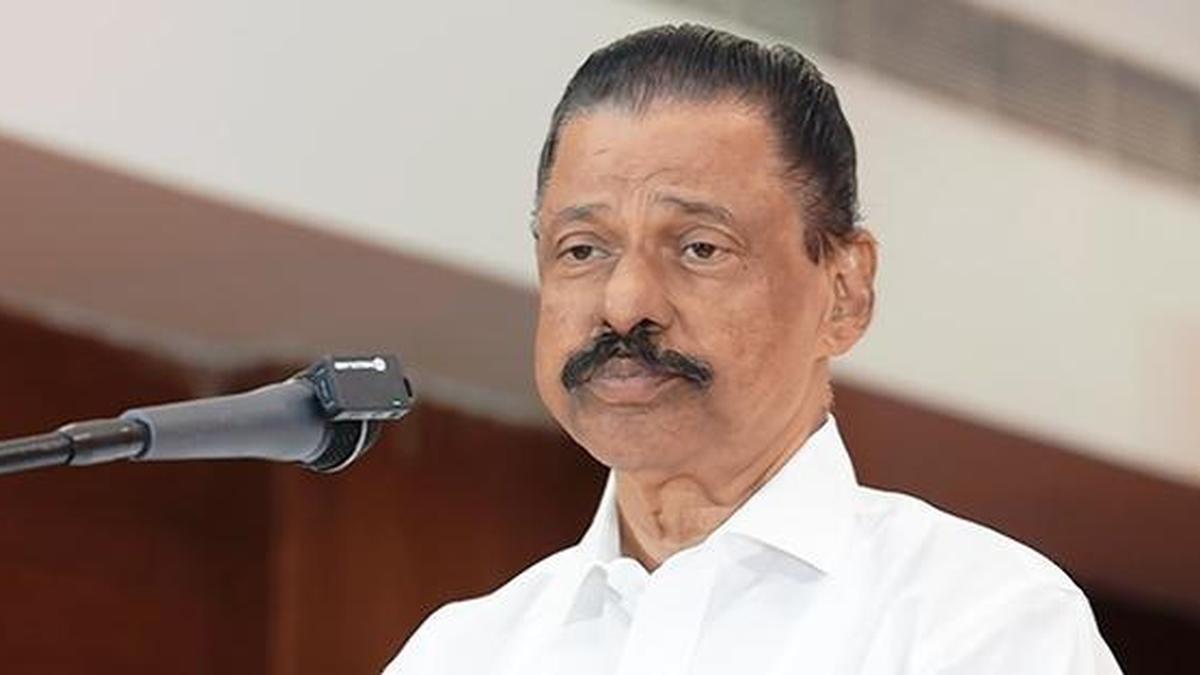
CPI(M) leader M.V. Govindan has backed an ongoing student protest at Sree Sankaracharya University of Sanskrit, demanding that sixteen suspended students be allowed to sit for exams. The suspensions followed a contentious August 13 protest involving allegations of misconduct toward the Vice-Chancellor.
The Sree Sankaracharya University Stand-off: A Complex Conflict
The ongoing agitation at Sree Sankaracharya University of Sanskrit in Kalady has reached a critical juncture, drawing high-level political attention. CPI(M) state secretary M.V. Govindan has officially expressed solidarity with the student protesters, asserting that the demonstration must persist until the university administration permits the sixteen suspended students to appear for their upcoming examinations. This intervention by a senior political figure highlights the deepening divide between institutional governance and student activism.
Origins of the Conflict
The roots of this unrest trace back to August 13, when a syndicate meeting became the focal point of a protest led by the Students’ Federation of India (SFI). The students were initially demonstrating against a perceived lack of adequate campus facilities, a common grievance in higher education institutions striving to balance infrastructural upgrades with fiscal constraints. However, the nature of the protest shifted dramatically when the administration leveled severe allegations against the participants.
Allegations and Institutional Response
According to university records, the protest escalated into actions that prompted immediate disciplinary measures. The sixteen students were suspended following claims that they staged a "mock cremation" of Vice-Chancellor Ciza Thomas. Furthermore, the administration accused the protesters of manhandling the Vice-Chancellor and attempting to cause physical damage to university property. These charges represent a significant departure from standard academic protest, framing the event as a matter of institutional security and legal conduct rather than mere dissent.
Political Implications and Legal Context
The involvement of M.V. Govindan elevates this localized conflict into a broader debate regarding the right to protest versus the maintenance of campus discipline. In the context of Kerala’s vibrant political landscape, the intersection of student wings and university administration is rarely isolated from party politics. The mention of the Kerala High Court’s past rulings on political activities on campuses underscores the legal complexity at play, as the judiciary continues to define the boundaries of acceptable student behavior.
The Path Forward
As the situation stands, the academic future of the sixteen students remains in limbo. The demand that they be allowed to write their exams serves as a tactical pressure point intended to force a dialogue between the university leadership and the student body. Whether the administration will yield to political pressure or adhere strictly to the disciplinary protocols established after the August incident remains to be seen. The resolution of this crisis will likely set a precedent for how future campus disputes are handled in the region, balancing the necessity of academic order with the democratic right to protest.
Verification Required?