Sanskit varsity suspension row: SFI says relay fast to go on till authorities revoke disciplinary action ‘unconditionally’
Source Entity
India Latest News: Top National Headlines Today & Breaking News | The Hindu
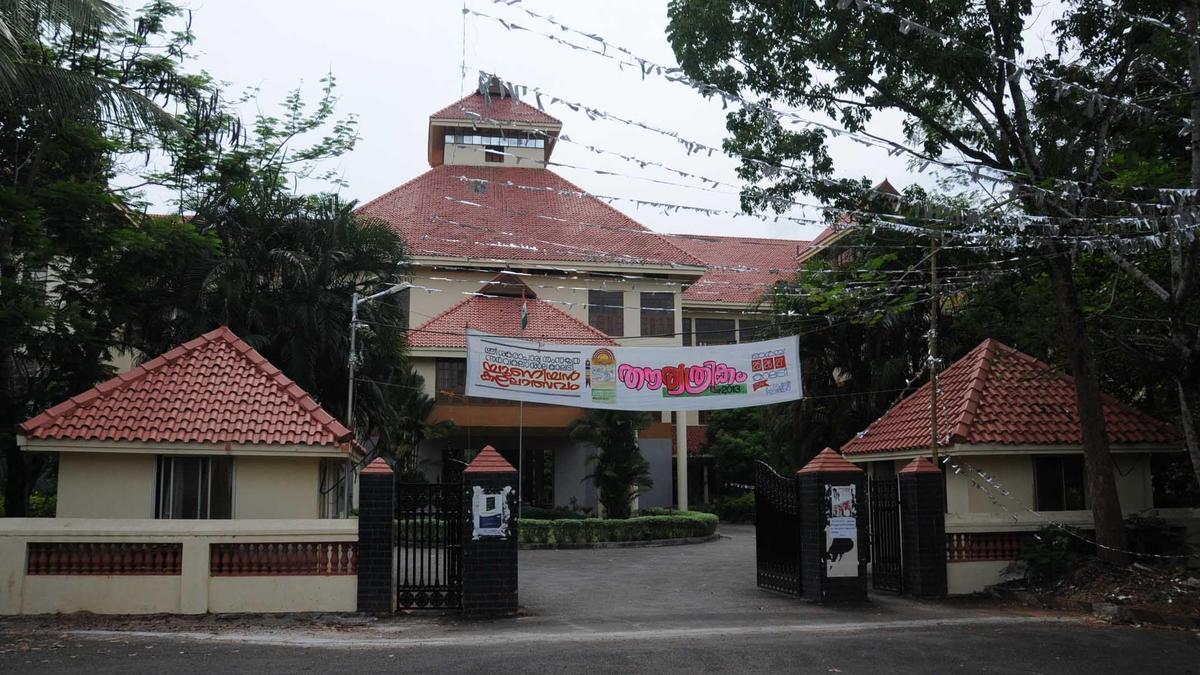
Suspended SFI activists at Sree Sankaracharya University of Sanskrit have continued their relay hunger strike after the Supreme Court refused to intervene in a High Court order barring them from exams. The standoff persists as the students demand an unconditional revocation of disciplinary actions.
The Academic Standoff at Sree Sankaracharya University
The ongoing dispute at the Sree Sankaracharya University of Sanskrit in Kalady, Keralam, has escalated as the indefinite relay fast organized by Students Federation of India (SFI) activists entered its fourth day on November 5, 2026. The agitation, sparked by the university's disciplinary suspension of several students, has become a focal point of academic unrest, highlighting the friction between institutional disciplinary measures and the rights of student organizations to protest and participate in academic assessments.
Legal Setbacks and Judicial Intervention
The conflict reached a critical juncture when the Supreme Court of India declined to interfere with a directive issued by a Division Bench of the Kerala High Court. The High Court order had previously barred the suspended students from participating in their semester examinations, effectively overturning an earlier interim order from a Single Bench that had granted the students permission to sit for their tests. This judicial development represents a significant legal setback for the SFI activists, who are now left without immediate institutional recourse to resume their academic progress.
The Role of Caveats and Procedural Hurdles
The complexity of this case is further heightened by the tactical maneuvers employed by the university administration. By filing a caveat before the Supreme Court, the university ensured that no ex-parte interim orders could be issued in favor of the students without the administration first being heard. This legal strategy effectively neutralized the students' attempts to secure a last-minute reversal, demonstrating the university's firm stance on maintaining the disciplinary actions currently in place against the student body members.
Implications for Student Activism
This situation underscores a broader trend in academic governance where disciplinary committees and student unions are increasingly clashing over the limits of protest and academic conduct. For the SFI, the relay fast is a demonstration of their commitment to their peers, yet the lack of judicial intervention suggests that the courts are hesitant to override the internal administrative decisions of universities regarding student discipline, provided the due process appears to have been followed.
Future Outlook and Academic Consequences
As the relay fast continues, the immediate future for the suspended students remains bleak. With the semester examinations underway and the legal path currently obstructed, the students face the real risk of losing an entire academic term. The demand for the "unconditional" revocation of disciplinary actions suggests that the SFI is unlikely to back down, setting the stage for a prolonged stalemate that may require mediation or a change in the university's administrative policy to resolve.
Conclusion
The standoff at Sree Sankaracharya University serves as a stark reminder of the gravity of disciplinary actions within higher education institutions. While the students maintain their right to protest, the legal reality dictated by the Kerala High Court and upheld by the Supreme Court places the burden of resolution back on the university administration. Until a compromise is reached or a new legal argument is formulated, the academic future of the involved students remains suspended in uncertainty.
Verification Required?