Consider admitting students who graduated under 4-yr UG course in PG 2nd year: HC to Delhi University
Source Entity
Sohini Ghosh
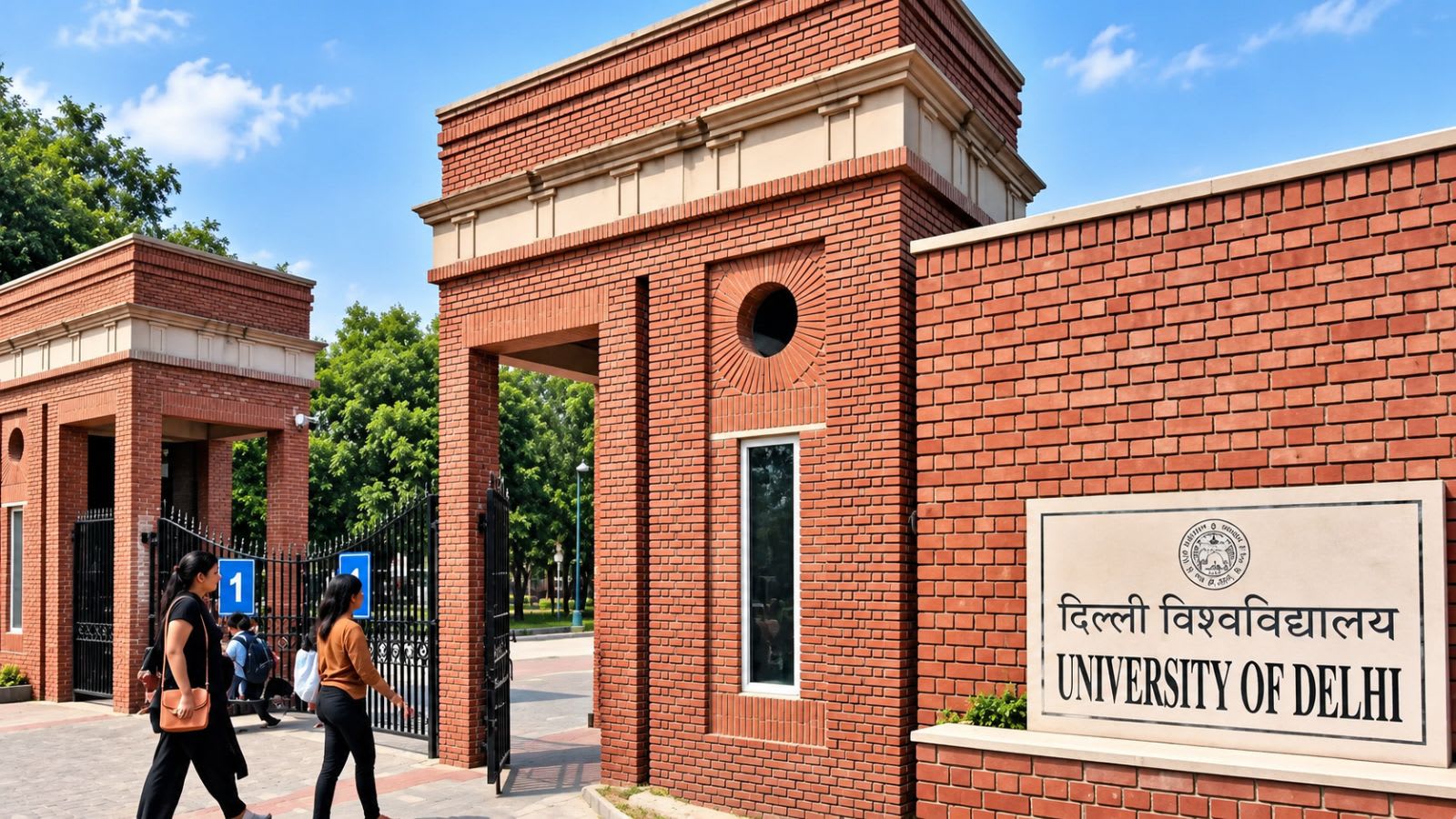
The Delhi High Court has directed Delhi University to consider admitting four-year undergraduate students directly into the second year of its two-year postgraduate programs. This move addresses concerns regarding the perceived discriminatory nature of existing admission criteria for master's degree pathways.
Delhi High Court Directs DU to Review PG Admission Policies
The Legal Intervention
The Delhi High Court has taken a significant step in addressing academic parity by directing Delhi University (DU) to consider admitting students who completed a four-year undergraduate (UG) degree directly into the second year of its traditional two-year postgraduate (PG) framework. This judicial intervention follows a series of petitions filed by students who argued that the existing admission criteria for master's programs were inherently discriminatory against those emerging from the four-year undergraduate structure.
Addressing Academic Disparity
At the heart of this dispute is the transition between different degree durations. Students who completed four-year UG programs contend that their academic trajectory is being unfairly hindered when compared to peers entering via different pathways. By seeking an affidavit from the university, the court is compelling DU to reconcile these two distinct academic models. The core issue is whether a student’s extra year of undergraduate study should grant them advanced standing in a postgraduate curriculum, effectively bypassing the first year of a two-year master’s course.
Evolution of PG Frameworks
Delhi University has been in a state of academic flux, notably introducing a one-year Master’s program in the 2026-27 academic year. This initiative was designed to run alongside the traditional two-year PG framework to accommodate the influx of four-year UG graduates. However, the current litigation suggests that the coexistence of these programs has created confusion and perceived inequities, particularly regarding how credit transfers and advanced placement are managed across the university's various departments.
The Impact of Structural Changes
The broader implication of this court directive is the potential standardization of how Indian universities treat four-year degrees under the National Education Policy (NEP) framework. As institutions transition away from three-year models, the recognition of the fourth year as a bridge to advanced study is becoming a central point of contention. If DU is forced to integrate these students into the second year of its two-year courses, it may set a precedent for other central universities facing similar implementation challenges.
Future Trends and Institutional Accountability
Moving forward, Delhi University will need to provide a clear, evidence-based affidavit that balances academic rigor with student equity. The court’s request for an affidavit signifies that the judiciary expects a transparent policy framework that justifies the current admission criteria. This case highlights the growing pains of higher education reform in India, where structural shifts in degree duration require robust administrative policies to ensure that students are not disadvantaged by the very reforms intended to modernize their education.
Conclusion
The Delhi High Court's directive serves as a crucial check on institutional policy, ensuring that the transition to new degree frameworks does not compromise student opportunity. As DU prepares its response, the academic community will be watching closely to see how the university reconciles its one-year and two-year PG offerings, potentially leading to a more seamless transition for students across the national capital's higher education landscape.