French blood banks hacked in latest cyber-attack on Europe
Source Entity
Jon Henley in Paris
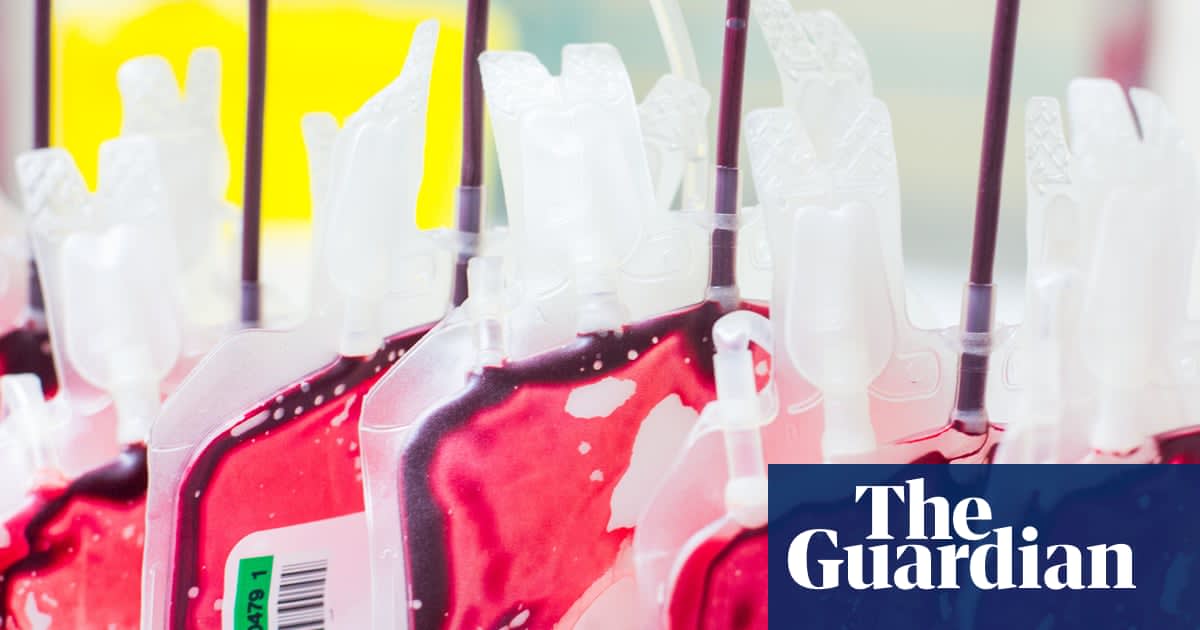
Hackers recently targeted cold storage units used by the French Blood Establishment by remotely increasing temperatures. Prompt intervention by technicians prevented the spoilage of critical blood products, highlighting growing vulnerabilities in European infrastructure.
Cyber-Assault on Critical Medical Infrastructure
In a concerning escalation of digital threats, the French Blood Establishment (EFS) confirmed that it was caught in the crossfire of a sophisticated cyber-attack targeting refrigeration systems across Europe. On Monday, unauthorized actors accessed the control systems of cold storage units used by the EFS, deliberately manipulating temperature and defrost thresholds to dangerously high levels. This incident represents a shift from traditional data-theft hacking toward the physical sabotage of life-saving medical supply chains.
The Mechanics of the Attack
The attackers did not breach the EFS directly but instead exploited vulnerabilities within the systems managed by external providers. By gaining access to the network-connected refrigeration units, the hackers were able to override safety parameters. The EFS reported that the sabotage involved raising thermal thresholds to levels that would have inevitably compromised the integrity of stored blood, plasma, and platelets had the systems remained unchecked.
Resilience and Rapid Response
Despite the severity of the intrusion, the EFS avoided a public health catastrophe thanks to robust monitoring protocols. The organization’s alarm systems functioned as intended, alerting technicians to the anomalous temperature shifts before the blood products were rendered unusable. This rapid intervention is a testament to the importance of redundant safety layers in critical infrastructure, even as the sophistication of industrial control system (ICS) attacks continues to rise.
Broader Implications for Healthcare Security
The attack on French blood banks is part of a broader, emerging trend of cyber-attacks on refrigeration and freezer systems across Europe. As hospitals and blood banks increasingly rely on IoT (Internet of Things) devices to manage logistics and storage, they inadvertently expand their attack surface. This incident serves as a stark reminder that digital security is no longer just about protecting patient records; it is about protecting the physical environment required to sustain life.
Historical Context and Future Trends
Historically, cyber-attacks on medical facilities have focused on ransomware, locking hospital databases to extort payments. This new development—targeting the physical environment—suggests a more malicious or disruptive intent. Moving forward, providers of medical cold-chain infrastructure will likely face increased regulatory scrutiny and a mandate to implement 'air-gapped' or more secure, isolated control systems to prevent remote manipulation of essential medical supplies.
Conclusion: A Call for Hardened Infrastructure
While the EFS was fortunate to mitigate the damage of this specific attack, the vulnerability of the European cold chain remains a significant concern. The French Blood Establishment serves over 1,900 hospitals and supports more than a million patients annually, making it a high-value target for disruption. The future of healthcare cybersecurity must prioritize the hardening of physical control systems to ensure that critical medical supplies remain safe from digital interference.