I tried Apple’s Siri Recaps. They’re surprisingly useful — and a little unsettling
Source Entity
Sarah Perez
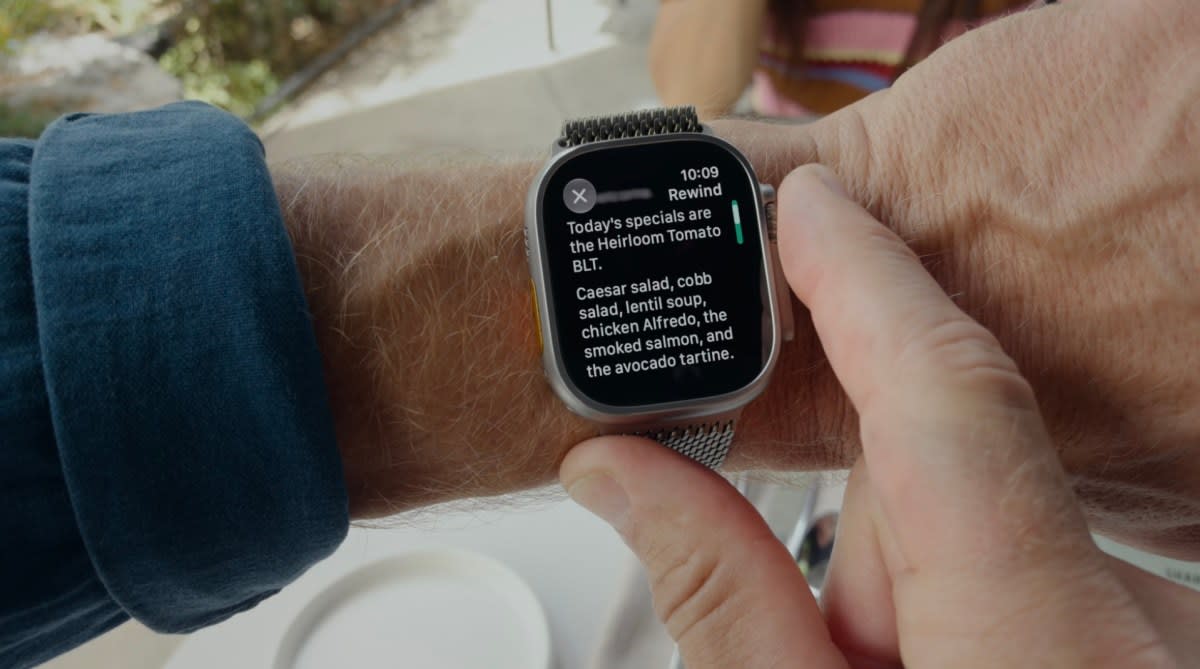
Apple has introduced new AI-powered Audio Intelligence features in the latest iOS and watchOS developer betas. These tools, including Siri Recaps, offer automated summarization and sound detection, balancing utility with significant privacy considerations.
The Evolution of Contextual Intelligence
Apple has officially entered a new frontier of ambient computing with the introduction of four distinct AI-powered audio features in the latest developer beta releases of iOS 27.3 and watchOS 27.3. Designed specifically for the Apple Watch Series 12, these tools—sound detection, song identification, conversation recaps, and automated note-taking—represent a significant shift in how wearable technology interacts with the user’s immediate environment. By moving beyond simple notifications, Apple is positioning the watch as an active participant in the user's daily workflow.
The Utility of Siri Recaps
At the heart of this update is the 'Siri Recaps' feature, which leverages advanced machine learning to provide synthesized summaries of audio inputs. Early testing suggests that the utility of this feature is immediate, allowing users to synthesize long conversations into actionable insights. This capability effectively turns the Apple Watch into a personal secretary, capable of parsing complex auditory data into coherent bullet points, which can significantly enhance productivity for professionals who rely on verbal communication.
Navigating the Privacy Paradox
Despite the clear utility, the deployment of Siri Recaps brings inherent privacy concerns to the forefront. The process of recording and analyzing conversations in real-time creates an 'unsettling' dynamic for many users. While Apple has historically championed privacy as a core product pillar, the introduction of features that actively listen to and summarize private discussions requires a high degree of user trust. The challenge lies in ensuring that these features operate locally on the device, rather than relying on cloud-based processing, to mitigate the risk of sensitive information exposure.
Balancing Automation and Relevance
One of the primary critiques of current AI-assisted note-taking is the 'noise' factor. As noted in initial evaluations, these systems often struggle to distinguish between mission-critical information and trivial chatter. When an AI captures everything, it risks overwhelming the user with irrelevant data. The future success of Siri Recaps will likely depend on Apple's ability to refine the filtering algorithms, ensuring that the summaries provided are not just comprehensive, but genuinely meaningful and contextually relevant.
Future Trends in Wearable AI
Looking ahead, the integration of sound and song detection alongside conversation analysis hints at a broader ecosystem of 'Audio Intelligence.' As these models become more sophisticated, we can expect wearable devices to become increasingly proactive rather than reactive. If Apple can successfully navigate the tension between convenience and user privacy, these features may set a new industry standard for how consumer electronics handle ambient data. However, the company must also address the potential for 'over-collection,' where the system archives data that the user may not have intended to keep permanently.
Conclusion
Apple’s latest foray into audio-centric AI is a bold experiment that highlights both the immense potential and the complex ethical landscape of modern software. While the initial feedback confirms that Siri Recaps are surprisingly useful, the path forward requires a delicate balance of feature refinement and privacy safeguards. As these developer betas transition to public releases, the user community's response will undoubtedly shape the trajectory of how we allow machines to listen to our lives.