CoreWeave bonds hit record lows as US election results raise data centre concerns
Source Entity
Latest News: Todays Latest News Headlines from India & World | Hindustan Times
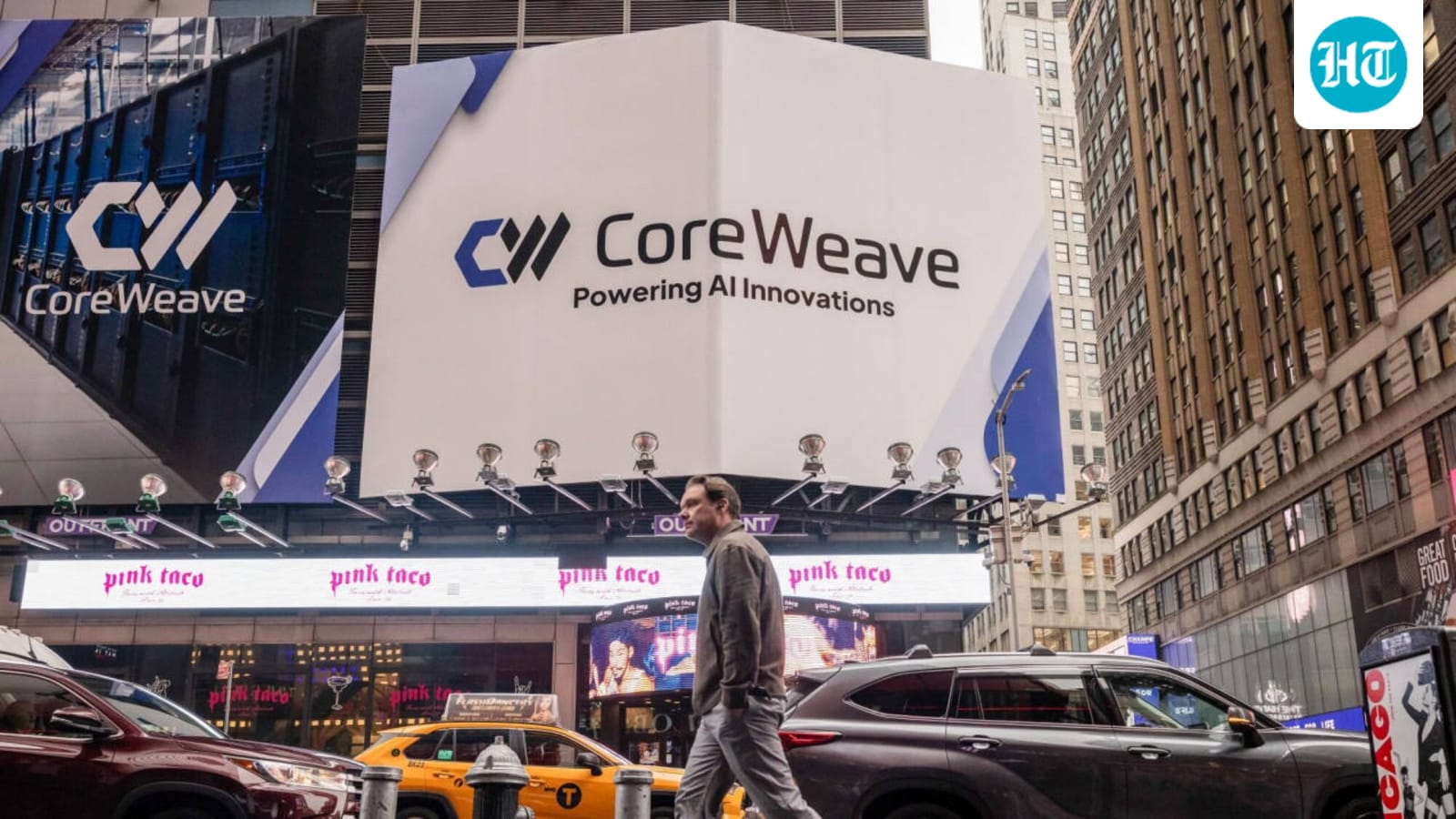
US voters have overwhelmingly rejected new data center developments through local ballot measures and by electing candidates favoring stricter oversight. This wave of opposition, driven by 76% public disapproval, has triggered a market sell-off for AI infrastructure debt, including record lows for CoreWeave bonds.
A Referendum on AI Infrastructure
In a significant shift for the digital economy, American voters have signaled a clear resistance to the rapid proliferation of data centers. Across more than 30 localities in nine states, citizens recently utilized ballot measures to implement moratoriums, outright bans, and operational constraints on hyperscalers. This grassroots movement represents a direct challenge to the physical architecture supporting the artificial intelligence boom, forcing a re-evaluation of the industry’s expansion strategy.
The Scale of Local Resistance
The opposition is not merely localized but widespread, reflecting deep-seated community concerns regarding the environmental and infrastructural footprint of these facilities. In Edgewater, Florida, voters took the definitive step of embedding a data-center ban directly into the city’s charter, while residents in Perry, Ohio, successfully passed measures to impose financial and operational hurdles on developers seeking tax incentives. This trend is underscored by recent polling data from NBC News, which indicates that 76% of voters oppose the presence of data centers within their communities.
Political Realignment and Regulatory Risks
The political landscape has shifted to reflect this public sentiment. With Democratic candidates in over 130 federal and gubernatorial races running on platforms that include anti-tech or anti-data center rhetoric, the industry faces an increasingly hostile regulatory environment. Even staunch AI proponents, such as Texas Governor Greg Abbott, have felt the pressure, illustrating that the "AI-at-all-costs" narrative is losing its political invulnerability as local concerns over energy consumption and land use take precedence.
Financial Market Volatility
This political and social backlash has translated into immediate financial instability for companies heavily invested in AI infrastructure. CoreWeave, a prominent cloud-computing provider, saw its unsecured debt plummet following the election results. Bonds due in 2031 fell to 79.5 cents on the dollar, with yields on associated obligations exceeding 15%—levels widely regarded as distressed. Investors, previously bullish on the AI buildout, are now confronting the reality that local democratic processes may stifle the rapid deployment of hardware.
Future Implications for the Tech Sector
Looking forward, the data center industry is poised to face a much more restrictive building environment. The intersection of Silicon Valley’s infrastructure needs and local governance has become a major flashpoint. Developers must now contend with a "not in my backyard" (NIMBY) sentiment that has been formalized through the ballot box. For the AI industry to continue its trajectory, it will likely need to pivot toward more transparent community engagement, energy-efficient designs, and a shift in how it negotiates tax breaks and land use, or risk further financial devaluations as infrastructure projects face indefinite delays.
Multiple Citing Sources
Verification Required?