Qualcomm sat out the semiconductor rally. Can a SpaceX partnership change that?
Source Entity
William Gavin
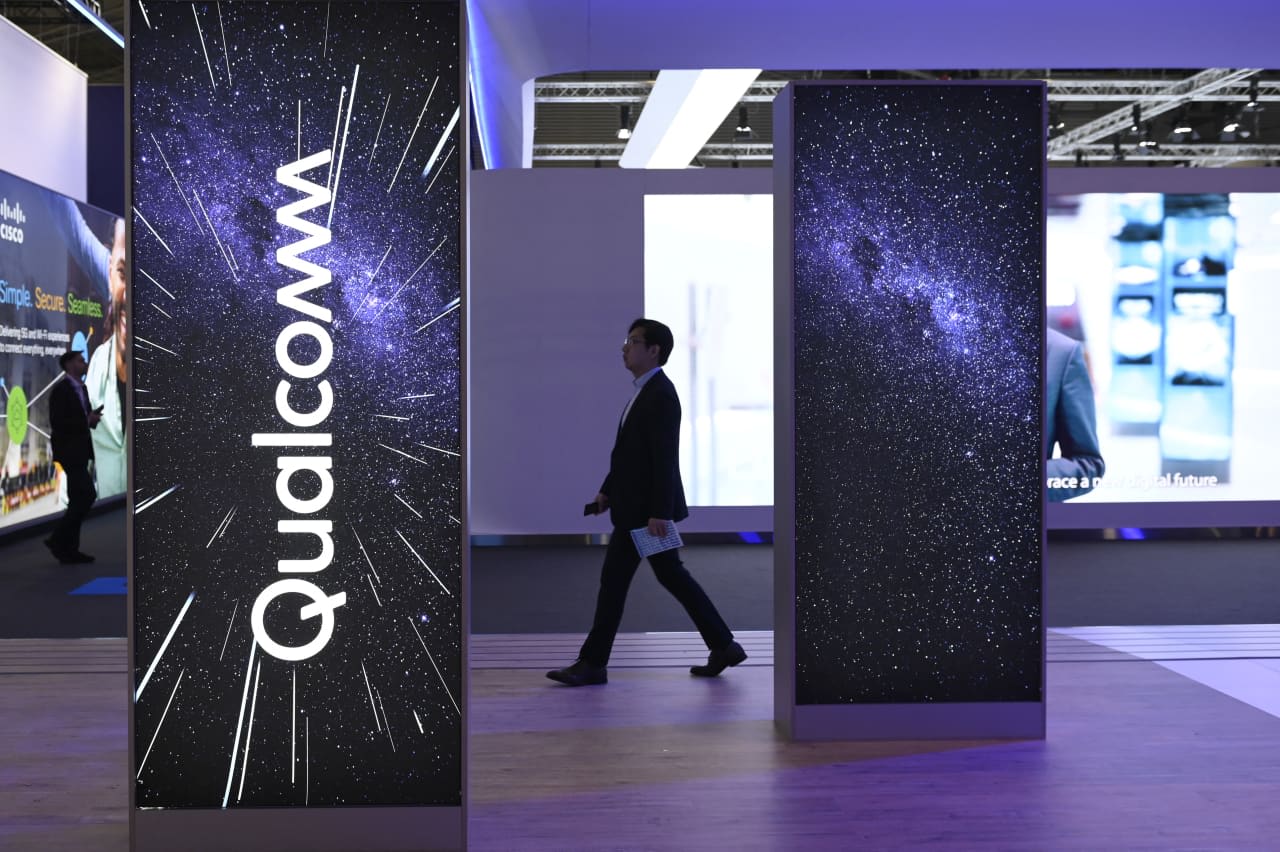
SpaceX has partnered with Qualcomm to integrate Dragonwing technology into its Starlink Mobile 5G network. This multiyear deal aims to enhance cellular coverage across the U.S. using a hybrid satellite-terrestrial approach.
SpaceX and Qualcomm Forge Strategic Alliance for Starlink Mobile
SpaceX has officially entered into a multiyear partnership with chipmaker Qualcomm to revolutionize its Starlink Mobile service. By integrating Qualcomm’s specialized Dragonwing cellular infrastructure into its operations, SpaceX aims to construct a sophisticated network of tens of thousands of 5G cell sites across the United States. This collaboration signifies a major shift in how SpaceX intends to deliver connectivity, moving beyond purely satellite-based solutions to a more robust, hybrid terrestrial-satellite ecosystem.
Expanding Beyond the Handset Market
For Qualcomm, this partnership represents a critical strategic pivot. Despite being a dominant force in the mobile handset semiconductor market, Qualcomm has largely sat out the recent industry-wide semiconductor rally. By powering Starlink Mobile, the company is aggressively expanding its footprint into infrastructure and satellite-linked services. This move allows Qualcomm to diversify its revenue streams away from traditional smartphone manufacturing, positioning its technology as the backbone for next-generation global connectivity.
The Role of Dragonwing Technology
At the heart of this deal is Qualcomm’s Dragonwing platform, which encompasses a suite of hardware and software designed to optimize network capacity, coverage, and efficiency. SpaceX intends to combine this terrestrial infrastructure with its existing constellation of direct-to-cell satellites. This synergy is designed to bridge the gap in connectivity, particularly in areas where traditional terrestrial networks struggle, effectively positioning Starlink Mobile as a direct challenger to major incumbents like Verizon, AT&T, and T-Mobile.
Strategic Implications for 5G and 6G
Durga Malladi, an executive vice president at Qualcomm, highlighted that the partnership is not just about current 5G capabilities but also about laying the groundwork for future AI-native 6G networks. By building this infrastructure today, SpaceX and Qualcomm are attempting to future-proof their network architecture. This long-term vision suggests that the companies are preparing for a landscape where AI-integrated connectivity becomes the standard, rather than a luxury.
Market Impact and Future Outlook
Starlink has become a vital pillar of the SpaceX business model, contributing 36% of the company's total revenue in the third quarter alone. As SpaceX continues to scale its operations, the reliability and reach of its mobile network will be paramount to sustaining this growth. With the first major deployments scheduled for 2027, the industry will be watching closely to see if this hybrid model can successfully disrupt the established telecommunications hierarchy in the United States.
Conclusion
While the financial terms of the deal remain undisclosed, the partnership between SpaceX and Qualcomm is clearly a high-stakes play for the future of mobile telecommunications. By merging satellite prowess with terrestrial 5G infrastructure, the two companies are creating a formidable competitive threat to traditional carriers. As they move toward the 2027 deployment phase, the success of this collaboration could fundamentally redefine consumer access to high-speed mobile data.
Verification Required?