New photos are 'essential evidence' of possible SAS war crimes, inquiry told
Source Entity
BBC News
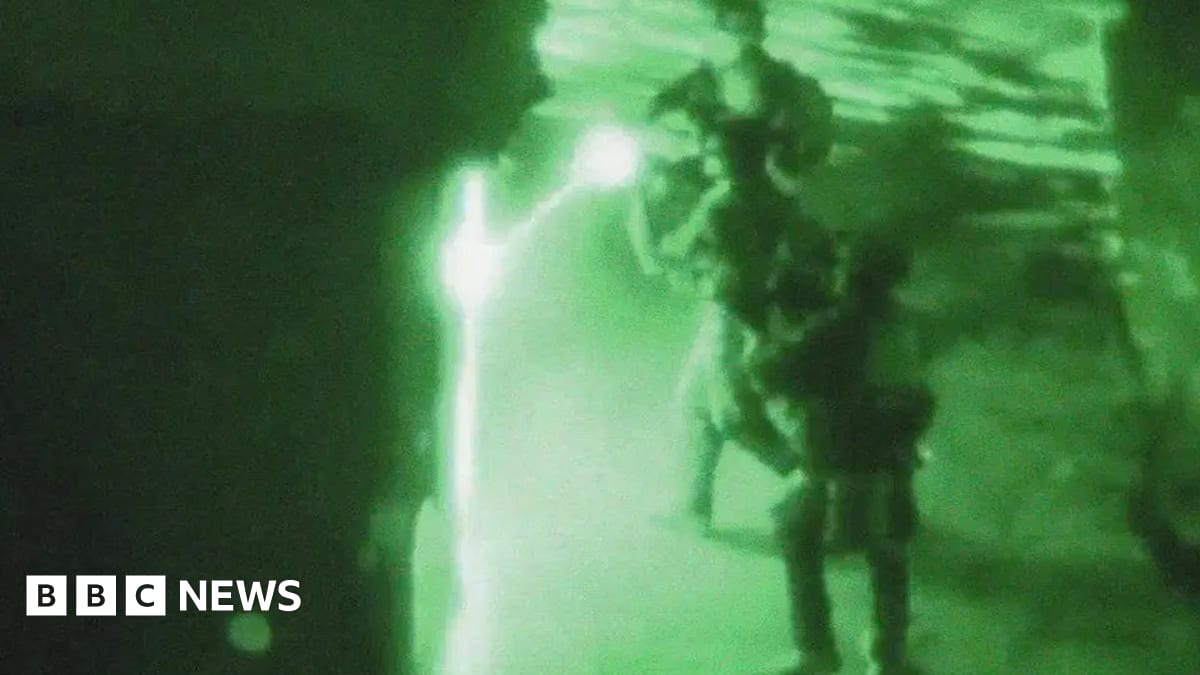
A UK public inquiry into SAS operations in Afghanistan has released graphic photos as evidence of potential war crimes. The images show unarmed individuals shot in the head while in bed, supporting allegations of unlawful killings between 2010 and 2013.
The SAS Afghanistan Inquiry: Uncovering Essential Evidence
A pivotal moment has occurred in the ongoing public inquiry regarding the conduct of UK Special Forces in Afghanistan. The investigation, which scrutinizes operations conducted between 2010 and 2013, has officially released photographic evidence described by lead barrister Oliver Glasgow KC as "essential." These images depict deceased individuals in states that suggest they were executed while unarmed and asleep, providing a stark visual dimension to the allegations of systemic misconduct during night raids.
The Nature of the Allegations
For years, allegations have persisted that British SAS units engaged in the unlawful killing of civilians and detainees. The core of the inquiry centers on whether these soldiers executed unarmed individuals and subsequently planted weapons at the scenes to justify the deaths as legitimate engagements. The newly released photographs, which capture multiple individuals lying in bed—some under blankets—with fatal head wounds, serve as a harrowing departure from previous official accounts of these military encounters.
Legal and Forensic Implications
Oliver Glasgow KC has emphasized that these photos are worthy of rigorous expert interrogation. By bringing these images into the public domain, the inquiry is signaling a shift toward a more transparent forensic review. The legal significance of such evidence cannot be overstated; it provides a tangible basis to challenge the narrative of 'self-defense' that often accompanies military operational reports. The inquiry must now determine if these images definitively prove that the rules of engagement were violated under the guise of counter-insurgency operations.
Historical Context of the Conflict
The period between 2010 and 2013 in Afghanistan was characterized by intense, high-stakes night raids aimed at neutralizing insurgent leadership. However, the pressure to produce results often created environments where accountability mechanisms were tested. This inquiry is part of a broader global movement to hold elite special forces units to the same standards of international humanitarian law as conventional infantry, reflecting a growing societal demand for accountability in asymmetric warfare.
Broader Implications for Military Ethics
The implications of these findings extend far beyond the specific incidents in question. They force a national conversation within the United Kingdom regarding the oversight of special operations forces. If the inquiry concludes that these killings were indeed executions, it could necessitate significant reforms in how special forces are deployed, monitored, and held accountable for their actions in foreign theaters of war.
Future Trends and Judicial Outcomes
Looking ahead, the inquiry's findings will likely set a precedent for how allegations of war crimes are handled in the future. As the legal teams dissect the visual evidence and cross-reference it with operational logs, the outcome will serve as a litmus test for the integrity of the British military justice system. The international community will be watching closely to see if the state is willing to prosecute its elite units should the evidence confirm the allegations of war crimes.