Satish Gujral’s 100th year retrospective: Shadows and light: Mapping the country’s grim past with dynamic art practice
Source Entity
Latest News: Todays Latest News Headlines from India & World | Hindustan Times | Hindustan Times
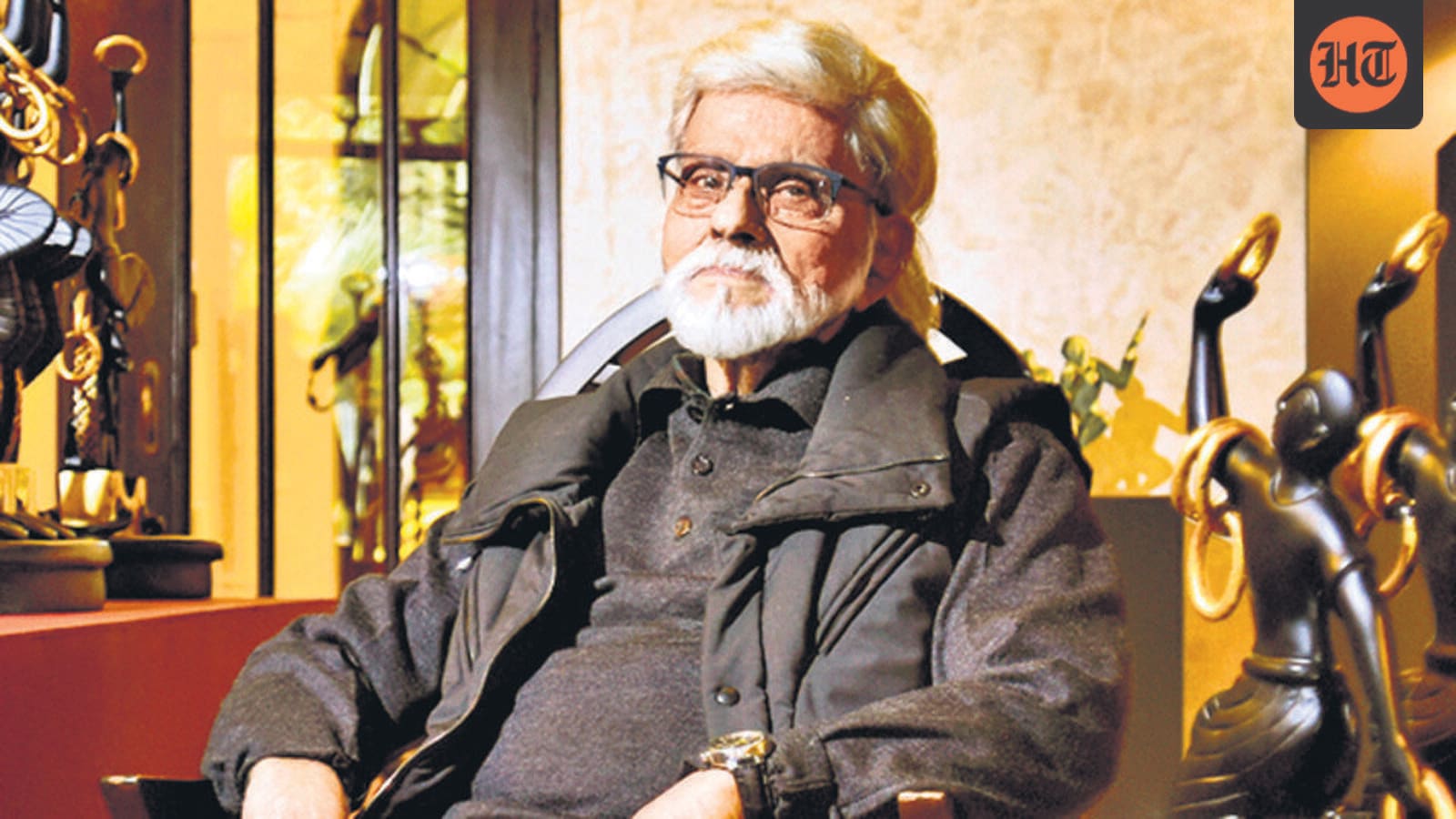
The National Gallery of Modern Art is hosting a retrospective celebrating Satish Gujral’s 100th birth anniversary. The exhibition highlights the artist's multidisciplinary career and his poignant reflections on India's historical milestones.
A Century of Satish Gujral: Mapping India’s Modernist Legacy
The centennial retrospective, ‘The Modernist Returns: Satish Gujral 100,’ hosted at the National Gallery of Modern Art (NGMA) in Mumbai, serves as a profound tribute to the life and work of Satish Gujral (1925–2020). Recognized as a quintessential multi-hyphenate, Gujral’s artistic footprint spanned painting, sculpture, muralism, and architecture. This exhibition provides a rare, comprehensive look at the evolution of a figure who defined the aesthetic language of post-independence India.
Art as a Witness to History
Gujral’s career is inextricably linked to the socio-political fabric of India. His early works are deeply visceral, capturing the trauma and displacement caused by the Partition of 1947. These pieces serve not merely as aesthetic objects but as historical documents that reflect the collective grief and national identity crisis of the era. By translating personal and communal suffering into art, Gujral ensured that the grim realities of the nation’s birth were preserved within the cultural consciousness.
Chronicling the Decades
As his career progressed, Gujral continued to engage with the shifting tides of Indian politics. His work in the 1970s famously addressed the period of The Emergency, offering a visual critique of the era’s authoritarian climate. Furthermore, the 1984 anti-Sikh riots deeply impacted his creative output, manifesting in a series of powerful sculptures. This ability to pivot from canvas to three-dimensional forms allowed him to express the complexity of human suffering through varied, dynamic textures and structures.
Beyond the Political: A Diverse Creative Range
While his political commentary is significant, the retrospective also highlights the sheer versatility of his practice. Gujral’s scope was not limited to heavy historical themes; he famously explored lighter, culturally pervasive subjects, such as his series dedicated to cricket. This juxtaposition—moving between the gravity of national tragedy and the cultural enthusiasm for sport—demonstrates his unique capacity to observe and interpret the totality of the Indian experience.
The Future of the Modernist Narrative
By showcasing these works at the NGMA, the retrospective invites a new generation to engage with Gujral’s modernist vision. His architectural contributions and murals often blended traditional Indian aesthetics with modernist techniques, creating a hybrid style that continues to influence contemporary artists. The exhibition serves as a critical bridge, ensuring that Gujral’s role as a chronicler of India’s 'shadows and light' remains a cornerstone of the country’s art history for years to come.
Verification Required?