'Because Punjab election is coming up': Satyendar Jain cries foul after arrest
Source Entity
ABHISHEK MISHRA
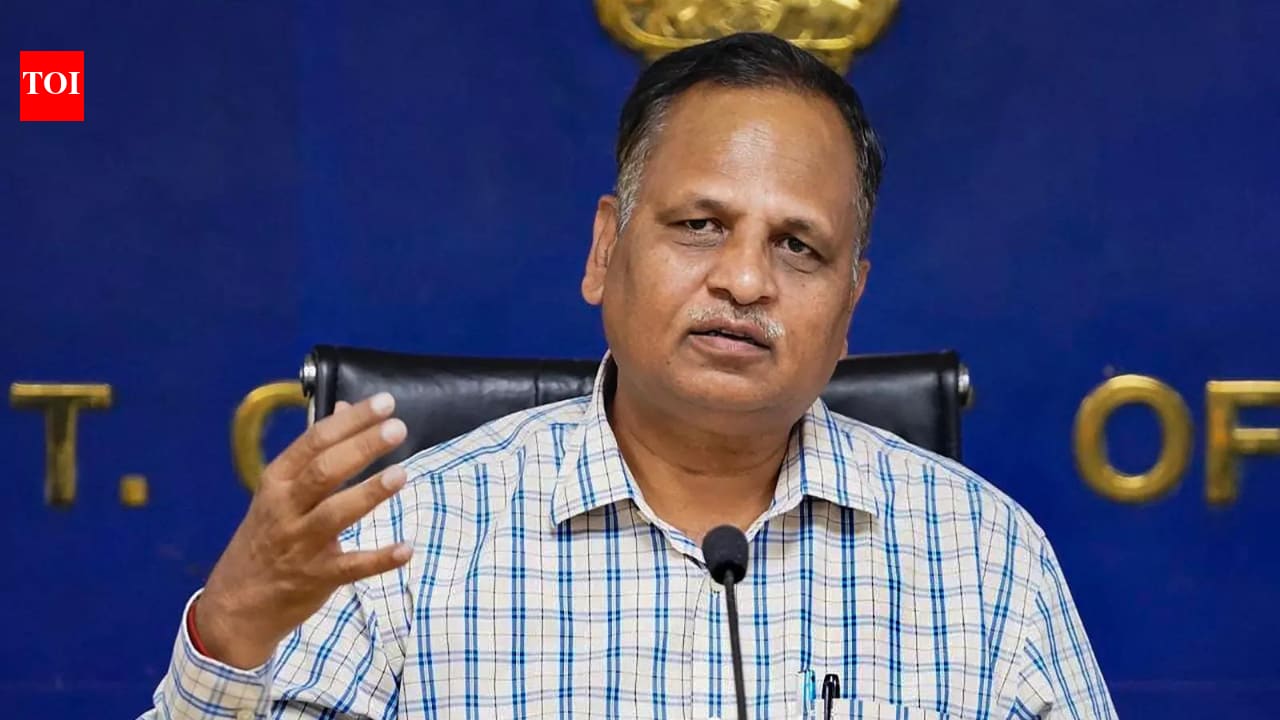
Aam Aadmi Party leader Satyendar Jain has been arrested in a corruption case, claiming the move is politically motivated ahead of Punjab elections. The arrest has drawn sharp criticism from political figures like Swati Maliwal, who has targeted AAP leadership regarding the allegations.
The Political Fallout of Satyendar Jain's Arrest
The arrest of Aam Aadmi Party (AAP) leader Satyendar Jain on corruption charges has ignited a heated political discourse, highlighting the intersection of legal scrutiny and electoral strategy in India. Jain, a prominent figure within the Delhi government, has vehemently denied the allegations, framing his detention as a calculated maneuver timed specifically to disrupt the party's momentum ahead of the Punjab elections.
The Claims of Political Motivation
Jain’s defense centers on the assertion that the timing of his arrest is not coincidental but rather a strategic effort to undermine the Aam Aadmi Party’s electoral prospects. By labeling the investigation as politically motivated, Jain is attempting to shift the narrative from a criminal inquiry to a battle of political persecution. This strategy is common in high-stakes Indian politics, where legal actions against opposition leaders are frequently met with claims of state-sponsored harassment.
Defense Against Corruption Allegations
Beyond his claims of political targeting, Jain has provided a specific defense regarding the corruption case itself. He has argued before the court that he was already incarcerated at the time the tenders in question were floated. This specific factual claim is intended to dismantle the prosecution's timeline, suggesting that he could not have influenced or facilitated the alleged corrupt activities while he was physically removed from the decision-making process in the government.
Internal and External Criticism
The arrest has not only drawn ire from opposition parties but has also invited scrutiny from voices within the political ecosystem. Swati Maliwal, a notable figure, has directly targeted AAP leadership, specifically Arvind Kejriwal, suggesting a systemic issue involving the facilitation of corruption. This internal critique adds a layer of complexity to the narrative, moving the focus from the legal defense to the broader question of governance standards and internal party accountability.
Broader Implications for AAP
This development poses a significant challenge for the Aam Aadmi Party. As the party seeks to expand its footprint nationally, legal entanglements involving key cabinet ministers threaten to distract from their primary policy platforms. The necessity of defending these charges in the public eye may force the party to divert resources and focus away from its core campaign initiatives in upcoming electoral contests.
Future Trends in Political Litigation
Looking ahead, this case underscores a growing trend where legal battles are increasingly central to political survival. As investigative agencies intensify their focus on high-ranking officials, the ability of political parties to manage these crises while maintaining electoral credibility will become a defining factor in their long-term success. The outcome of the legal proceedings against Satyendar Jain will likely serve as a litmus test for how political parties navigate the intersection of judicial oversight and public perception.
Multiple Citing Sources