Saudi Has Trillions In Oil Wealth, But Here's Why It Wants Nuclear Power
Source Entity
NDTV News Search Records Found 1000
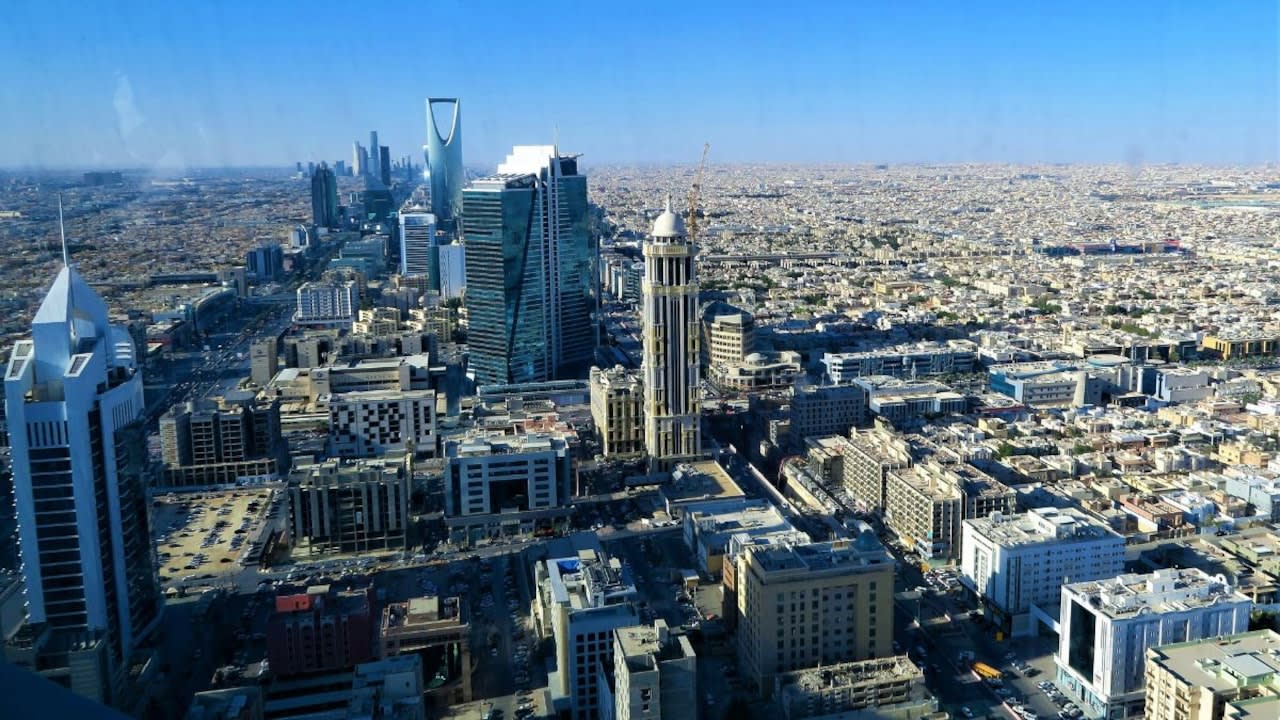
Saudi Arabia is aggressively pursuing a domestic nuclear energy program, officially citing civilian and economic motivations. Despite its vast oil reserves, the Kingdom aims to diversify its power grid and preserve hydrocarbons for export.
The Saudi Nuclear Ambition: A Strategic Pivot
Saudi Arabia’s public commitment to developing a domestic nuclear power program represents a profound shift in the Kingdom’s long-term energy strategy. Despite possessing some of the world’s largest proven oil reserves, the Saudi leadership has articulated a clear vision that nuclear energy is essential for civilian infrastructure. This initiative is framed as a foundational element of 'Vision 2030,' the country’s comprehensive roadmap to reduce its economic dependence on crude oil and modernize its industrial base.
Diversifying the Energy Mix
While Saudi Arabia is synonymous with fossil fuels, the domestic consumption of oil for electricity generation and water desalination has become a significant economic drain. By integrating nuclear power into the national grid, the Kingdom aims to free up millions of barrels of oil annually. This strategy serves a dual purpose: it lowers the carbon footprint of the domestic energy sector while simultaneously maximizing the volume of hydrocarbons available for international export, thereby maintaining revenue streams during the global energy transition.
Economic Drivers and Industrial Growth
The pursuit of civilian nuclear energy is intrinsically linked to the Kingdom's goal of becoming a regional industrial powerhouse. Nuclear power provides a stable, high-capacity baseload of electricity necessary for energy-intensive sectors like manufacturing, petrochemicals, and mineral processing. By investing in nuclear technology, Saudi Arabia is positioning itself to leverage advanced engineering and research capabilities, fostering a high-tech sector that can sustain the economy long after the global demand for oil begins to plateau.
Regional Geopolitics and Transparency
The narrative surrounding Saudi Arabia's nuclear ambitions is heavily scrutinized by the international community due to the sensitive nature of nuclear technology. The Kingdom has consistently maintained that its program is strictly for civilian purposes, emphasizing that it aims to utilize nuclear energy for power generation and water desalination. This messaging is vital for maintaining compliance with international non-proliferation standards and ensuring that their technological partnerships remain aligned with the International Atomic Energy Agency (IAEA) protocols.
Future Trends in Middle Eastern Energy
Looking ahead, the success of the Saudi nuclear program will likely set a precedent for other nations in the Middle East looking to secure energy independence. As the region navigates the complexities of climate change and fluctuating oil markets, the shift toward a diversified portfolio—incorporating renewables alongside nuclear—will be a defining trend. If successfully implemented, Saudi Arabia’s nuclear transition could redefine its role in the global energy market, transitioning from a pure oil exporter to a diversified energy provider with a sophisticated, technologically advanced domestic infrastructure.
Verification Required?