Saudi Intercepts Houthi Missiles, Drones, Group Denies Targeting Mecca
Source Entity
NDTV News Search Records Found 1000
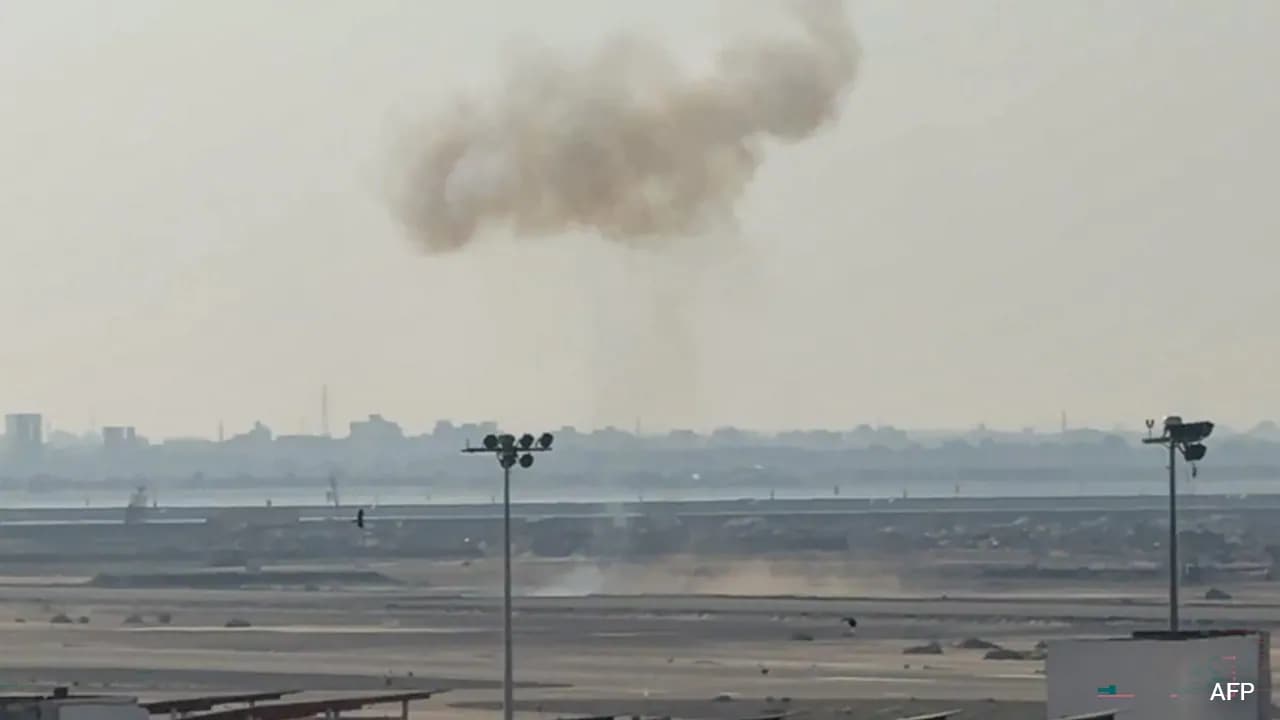
Saudi air defenses successfully intercepted a wave of Houthi-launched missiles and drones targeting Riyadh and Mecca. While the Saudi-led coalition confirmed the attacks, the Houthi movement explicitly denied targeting the holy city of Mecca.
Escalation in the Saudi-Houthi Conflict
The recent interception of multiple missiles and drones by Saudi Arabian air defenses marks a significant escalation in the ongoing conflict between the Saudi-led coalition and the Houthi movement. According to official reports, the coalition successfully neutralized three cruise missiles aimed at the Riyadh region, as well as several drones and missiles directed toward Mecca and other southern territories. This incident underscores the increasing technical capabilities of the Houthi forces and the persistent security challenges facing the Kingdom.
The Strategic Significance of Mecca
Mecca holds unparalleled importance as the holiest city in Islam and the spiritual center for the annual Hajj pilgrimage. The targeting of areas near or directed toward this site carries profound geopolitical and religious implications. By attempting to strike near the heart of the Islamic world, the conflict transcends regional political grievances, potentially inflaming wider sectarian tensions across the Middle East and drawing sharper international condemnation toward the Houthi movement.
Houthi Denial and Narrative Warfare
In the wake of the attacks, Houthi military spokesperson Yahya Saree issued a formal denial regarding the targeting of Mecca. This move is indicative of the intense 'narrative warfare' that often accompanies physical combat in this theater. By refuting claims of targeting religious sites, the Houthis likely aim to mitigate the diplomatic and public relations fallout that typically follows threats to Islamic holy sites, which are sensitive issues for Muslim-majority nations globally.
Regional Instability and the Iran Connection
The broader context of this aggression is the protracted proxy war between Saudi Arabia and Iran-aligned factions. The Houthi group, which maintains close ties with Tehran, has frequently utilized ballistic missiles and unmanned aerial vehicles to strike deep into Saudi territory. These persistent attacks serve as a constant pressure tactic, forcing the Saudi coalition to maintain high-alert defensive postures and challenging the stability of the region's energy infrastructure and urban centers.
Future Trends and Defense Postures
The frequency of these aerial incursions suggests that the Houthi forces are prioritizing long-range strike capabilities to alter the status quo of the conflict. As Saudi Arabia continues to rely on advanced air defense systems to neutralize these threats, the economic and military strain of a prolonged defensive war remains high. Future trends suggest a continued cycle of technological advancement by Houthi forces countered by increased defensive investments from the Saudi-led coalition, further complicating prospects for a lasting ceasefire or diplomatic resolution.
Verification Required?