Bank ‘deducts’ money from man’s ‘inactive’ credit card, ordered to refund Rs 1.26 lakh
Source Entity
Jagriti Rai
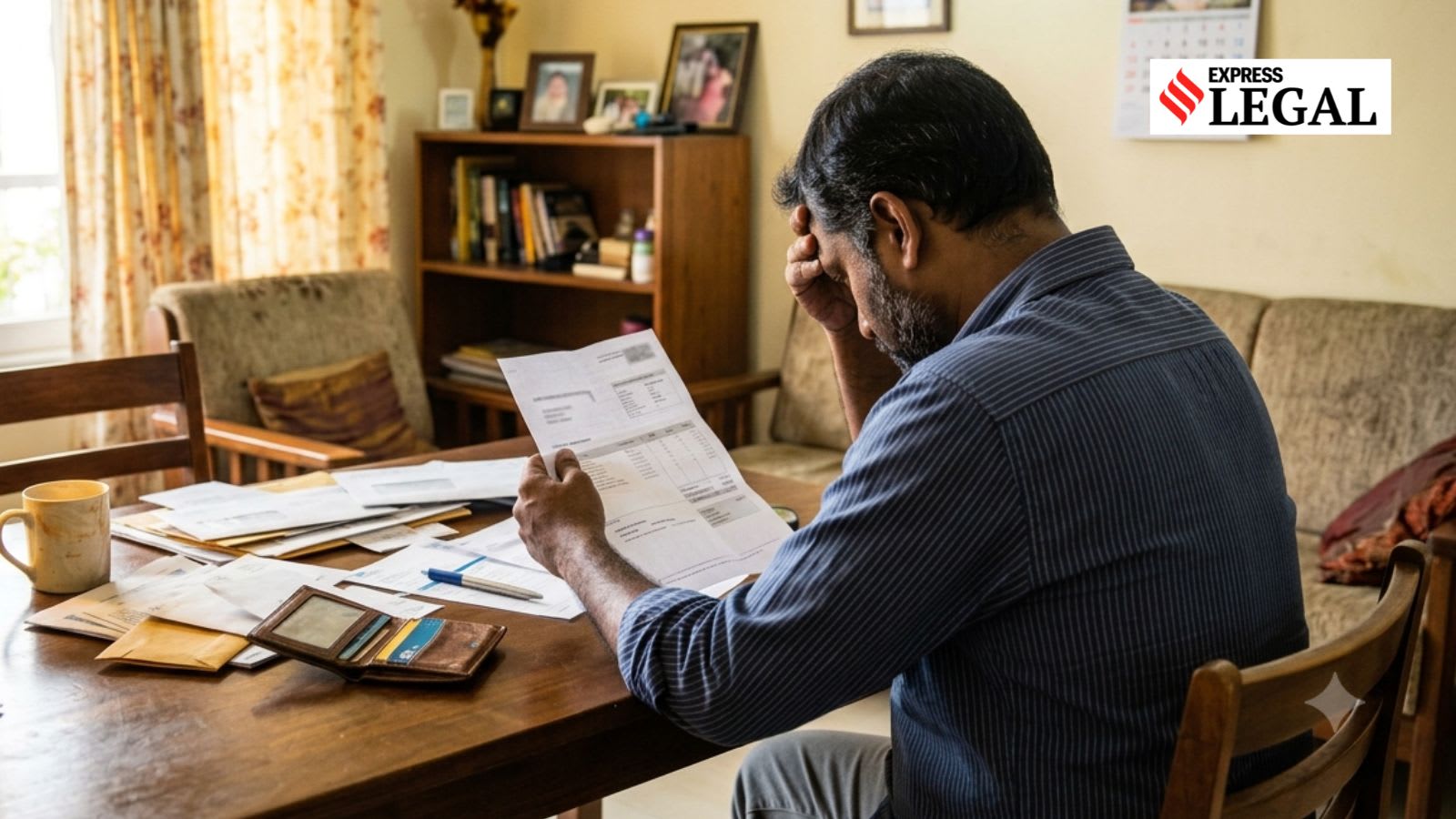
The Haryana District Consumer Commission has ordered SBI Cards to refund Rs 1.26 lakh to a customer after finding it improperly deducted funds from an inactive credit card. The commission ruled the bank's actions constituted a deficiency in service, citing a 'hidden agenda' to maximize interest profits.
Consumer Justice: SBI Cards Held Liable for Unauthorized Deductions
The Commission's Ruling
The Haryana District Consumer Commission has delivered a significant verdict against SBI Cards, ruling that the financial institution engaged in a "deficiency in service" by deducting money from a customer's purportedly inactive credit card. The bench, led by President Rajbir Singh alongside members Jasvinder Singh and Suman Rana, ordered the bank to refund Rs 1.26 lakh to the aggrieved customer. This ruling underscores the increasing vigilance of consumer forums in India regarding banking practices that appear to prioritize corporate profit over customer transparency.
Uncovering the 'Hidden Agenda'
At the heart of this dispute is the Commission's observation of a "hidden agenda" employed by the bank to inflate interest earnings. The bench noted that instead of deducting the total outstanding balance—which was available in the customer's linked savings account—the bank opted to deduct only partial or minimum amounts. By doing so, the bank effectively forced the outstanding balance to remain in a state of accrual, allowing them to calculate interest on a monthly basis. This practice was interpreted by the commission as a deliberate maneuver to maximize profit margins at the expense of the account holder.
Financial Accountability and Compensation
Beyond the primary refund of Rs 1.26 lakh, the commission demonstrated its commitment to protecting consumer rights by awarding an additional Rs 11,000. This sum is designated to cover both mental agony and the legal expenses incurred by the complainant during the litigation process. By mandating this compensation, the commission has sent a clear signal that financial institutions must be held accountable for opaque billing practices that disadvantage their clients.
Broader Implications for Banking Practices
This case serves as a cautionary tale regarding the complexities of credit card management and automated billing cycles. When banks maintain "inactive" cards while still applying interest-bearing charges, it creates a trap for consumers who may believe their accounts have been settled. The ruling highlights the necessity for banks to maintain absolute transparency regarding account status and the mechanisms through which they collect outstanding dues. It challenges the banking sector to move away from predatory interest-calculation models that rely on partial deductions.
Protecting the Digital Consumer
As digital banking and credit card usage continue to permeate the Indian economy, the role of District Consumer Commissions becomes increasingly vital. This verdict reinforces the legal principle that financial service providers are bound by a duty of care. Consumers are encouraged to monitor their bank statements diligently and challenge any automated deductions that do not align with their understanding of their account status.
Conclusion
In summary, the Haryana District Consumer Commission’s decision is a victory for consumer rights. By penalizing SBI Cards for their "hidden agenda," the court has reaffirmed that financial institutions cannot exploit internal billing loopholes to maximize interest profits. This ruling is expected to influence how banks communicate with customers regarding account inactivity and the settlement of outstanding debts moving forward.