'Learning a language never goes waste': SC declines to stay CBSE's 3-language policy
Source Entity
TOI NEWS DESK
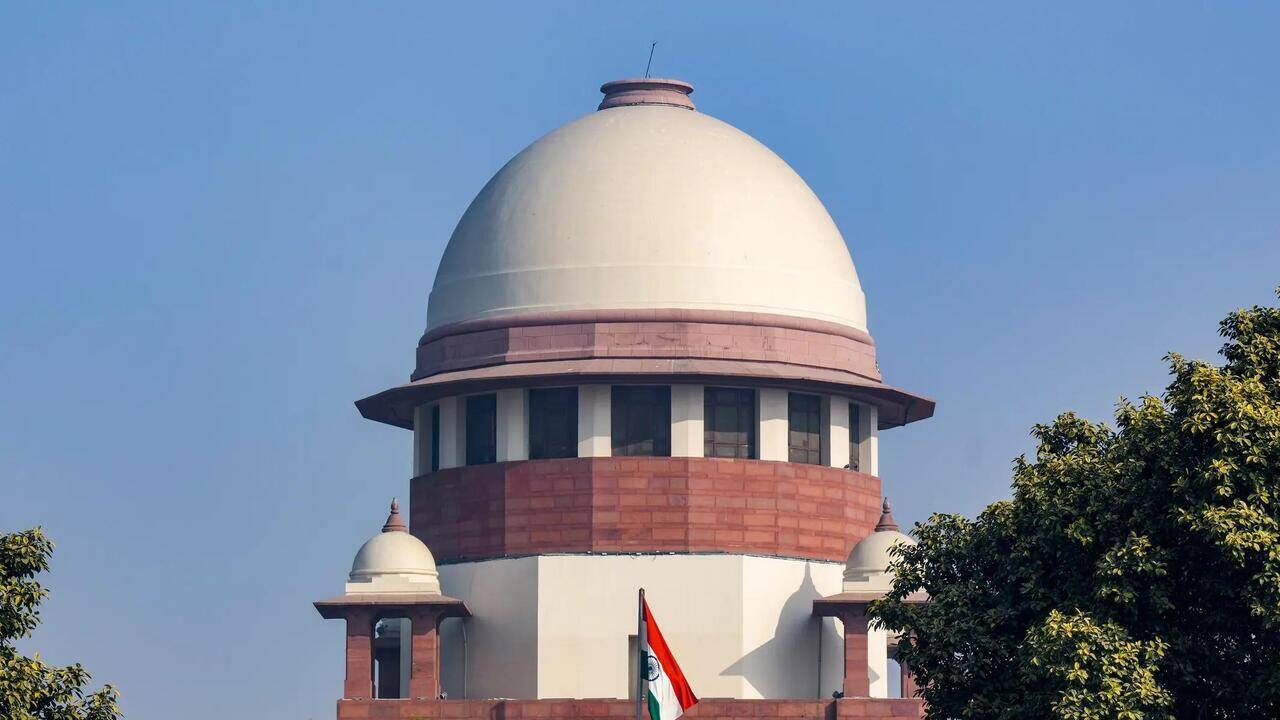
The Supreme Court declined to halt the CBSE's three-language policy for 2026-27. It will hear detailed challenges to the policy next week. Petitioners argued against the policy's implementation and lack of resources. The court noted that learning languages is beneficial and agreed to hear arguments. The Union government was directed to file its response within ten days.
Judicial Perspective on Linguistic Education: SC and the CBSE Policy
In a significant development regarding India's educational framework, the Supreme Court has declined to grant a stay on the Central Board of Secondary Education's (CBSE) three-language policy scheduled for the 2026-27 academic session. The court's observation that "learning a language never goes waste" underscores a judicial lean toward the cognitive and cultural advantages of multilingualism. While the court has not yet ruled on the ultimate validity of the policy, its refusal to halt the implementation suggests a reluctance to disrupt educational planning unless a compelling legal or practical failure is proven.
The Three-Language Formula: Historical and Social Context
To understand the gravity of this case, one must look at the historical context of the Three-Language Formula (TLF) in India. Designed to bridge the linguistic divide between the Hindi-speaking North and the non-Hindi-speaking South and East, the TLF typically mandates the study of Hindi, English, and a regional language. By upholding the possibility of this policy's continuation, the court is indirectly engaging with a decades-old debate on national integration versus linguistic autonomy. The policy aims to ensure that students are proficient in a global lingua franca (English), a national link language (Hindi), and a local language to preserve cultural heritage.
Analyzing the Petitioners' Concerns
Despite the court's optimistic view on language acquisition, the petitioners have raised critical concerns regarding the pragmatic reality of implementation. The core of their argument rests on a lack of resources—specifically the shortage of qualified language educators and the absence of standardized curricula for various regional languages across different states. There is a legitimate fear that forcing a three-language mandate without adequate infrastructure could lead to a dilution of educational quality, where languages are taught superficially to meet a quota rather than for genuine proficiency.
The Balance Between Pedagogical Idealism and Practicality
The Supreme Court's current stance represents a balance between pedagogical idealism and administrative scrutiny. By stating that language learning is beneficial, the court acknowledges the neurological and social benefits of polyglotism, which include improved cognitive flexibility and greater empathy toward diverse cultures. However, by agreeing to hear detailed challenges next week and demanding a response from the Union government within ten days, the court is acknowledging that "good intentions" are not a substitute for a workable operational plan.
Future Implications for the 2026-27 Academic Cycle
Looking forward, the Union government's response will be pivotal. If the government can demonstrate a robust roadmap for teacher training and resource allocation, the policy is likely to proceed. However, if the response remains vague, the court may be forced to impose specific guidelines or modifications to the policy to prevent it from becoming an undue burden on students and institutions. The 2026-27 timeline provides a narrow window for the CBSE to rectify systemic gaps before the policy becomes mandatory.
Conclusion
Ultimately, this case is about more than just a school curriculum; it is a reflection of India's ongoing struggle to balance national unity with regional diversity. The Supreme Court has signaled that while it supports the intellectual growth associated with multilingualism, it will not ignore the logistical failures that could hinder a student's right to a quality education. The upcoming hearings will determine whether the three-language policy becomes a tool for empowerment or a bureaucratic hurdle.