"Ear Was Almost Severed": Woman Recounts Police Crackdown During CJP Protest
Source Entity
NDTV News Search Records Found 1000
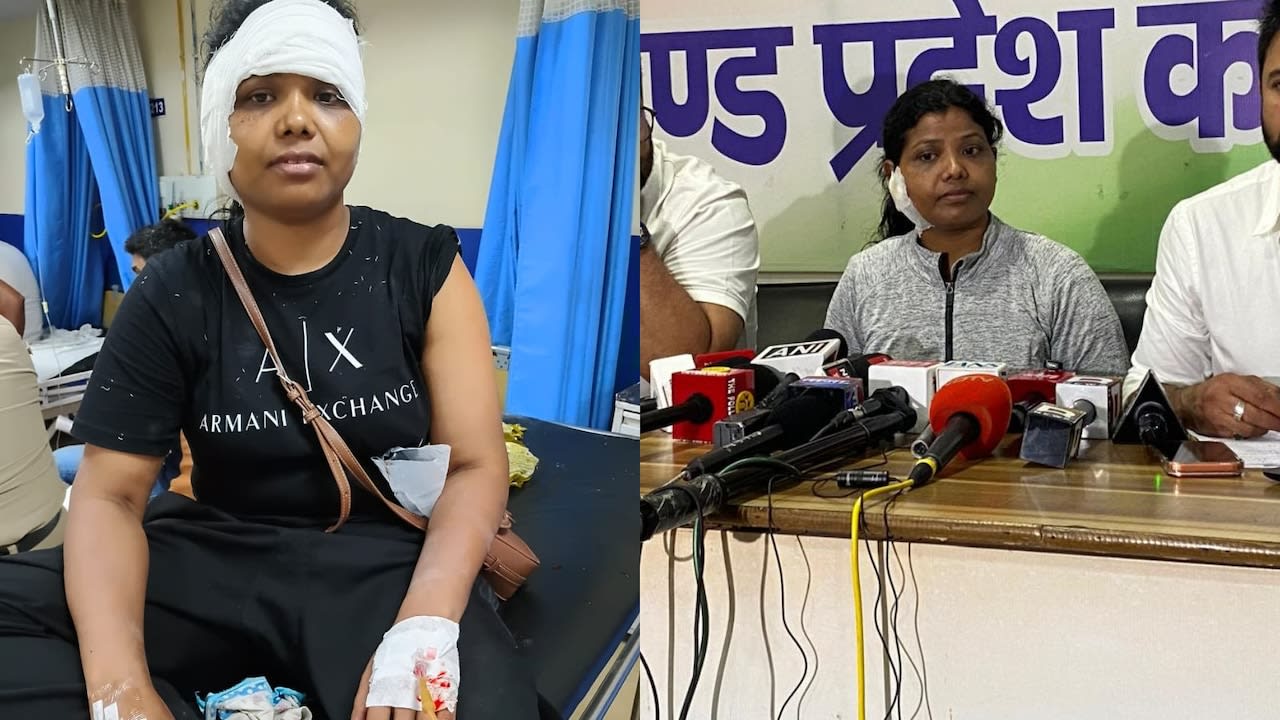
The Supreme Court of India has ordered a transparent, independent inquiry into allegations of police brutality against students protesting NEET paper leaks. The bench suggested forming a Special Investigation Team to establish accountability and develop future protocols for managing demonstrations.
Supreme Court Mandates Accountability in NEET Protest Crackdowns
The Supreme Court of India has taken a decisive stance regarding the recent wave of student protests against NEET paper leaks, emphasizing that "whosoever committed excesses" must be held accountable. During recent hearings, the bench—led by Chief Justice of India Surya Kant—observed that a prima facie case exists for a transparent, independent inquiry into allegations of police brutality. This judicial intervention underscores the tension between maintaining public order and the constitutional right to peaceful protest.
The Necessity of an Independent Probe
The court’s suggestion to form a Special Investigation Team (SIT) reflects a growing concern over the handling of student demonstrations. By calling for an independent probe, the judiciary aims to ensure that the investigation into allegations of excessive force—including claims of baton charges, tear gas usage, and reports of an AK-47 being brandished in Bihar—remains untainted by local political or administrative influence. The court’s directive is not merely about punishing individual officers, but about ensuring the rule of law is upheld by those tasked with enforcing it.
Contextualizing the July 20 Violence
The protests, which culminated in significant clashes on July 20, were driven by deep-seated student frustration over alleged paper leaks. When demonstrators, spearheaded by the CJP, attempted to march from Jantar Mantar toward Parliament, the situation escalated into violence. The subsequent use of tear gas and batons against the crowd has drawn sharp criticism from the opposition and civil society, prompting the plea from Rajya Sabha MP Manoj Kumar Jha for the registration of FIRs against the perpetrators of police violence.
Establishing Future Protocols
A critical component of the Supreme Court's mandate is the development of a standardized protocol for handling future student protests. The court noted that once defined protocols are violated, the law must take its course. By institutionalizing these guidelines, the judiciary seeks to prevent the recurrence of such clashes, ensuring that law enforcement agencies balance the necessity of public safety with the democratic necessity of allowing citizens to voice their grievances.
Broader Implications for Governance
The implications of this judicial oversight are far-reaching. By asserting that "a probe is meaningless without fixing responsibility," the Supreme Court is challenging the culture of impunity that often surrounds law enforcement actions during civil unrest. This case serves as a reminder to administrative authorities that the use of force must be proportionate and legally justified. Moving forward, the proposed SIT will be under significant public and judicial pressure to deliver a report that not only addresses the specific incidents of the NEET protests but also sets a precedent for police conduct nationwide.
Conclusion
Ultimately, the Supreme Court's intervention serves as a critical check on state power. By prioritizing a transparent inquiry, the court is reinforcing the fundamental right to dissent while simultaneously demanding that protesters and police alike adhere to the rule of law. The outcome of the SIT probe will likely serve as a benchmark for how the Indian legal system handles clashes between state machinery and student movements in the future.
Multiple Citing Sources
Verification Required?