Supreme Court panel: Phase out ‘unsustainable’ river sand mining in 3 years, desilt dams
Source Entity
Apurva Vishwanath, Nikhil Ghanekar
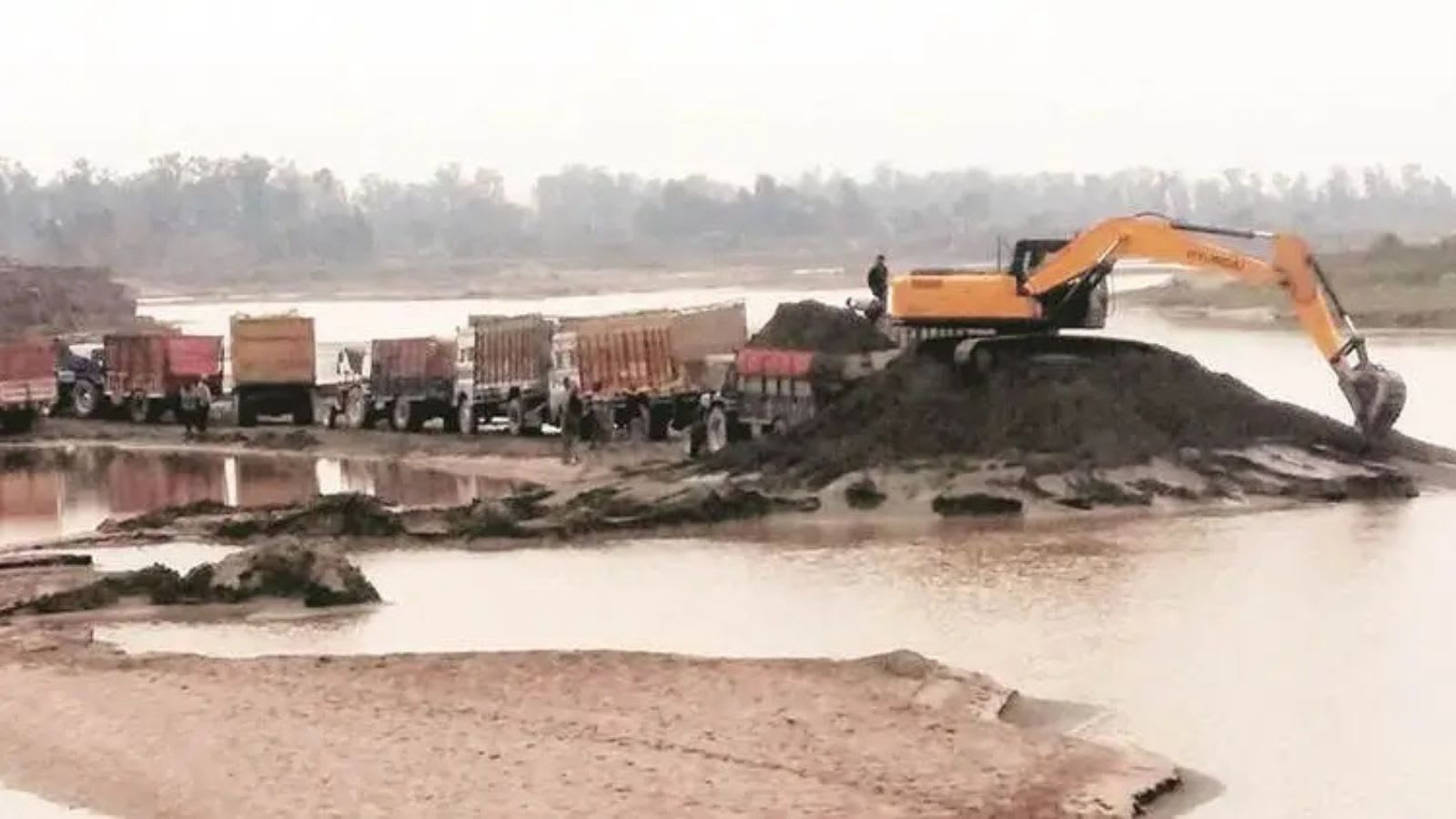
The Supreme Court-appointed Central Empowered Committee has recommended phasing out unsustainable river sand mining within three years. The proposal suggests shifting focus toward desilting dams and using recycled construction waste to meet industry demands.
Transitioning Away from River Sand Mining
The Supreme Court-appointed Central Empowered Committee (CEC) has issued a landmark recommendation in its Report No. 36 of 2026, advocating for a complete phase-out of unsustainable sand extraction from active river channels within a three-year timeframe. This directive, filed on November 2 in the context of the suo motu case concerning illegal mining in the National Chambal Sanctuary, represents a critical shift in how India approaches the environmental sustainability of its natural water bodies.
The Environmental Imperative
River sand is a vital component of the construction industry, yet its extraction from riverbeds often leads to severe ecological degradation. By removing sand from active channels, the natural flow of rivers is disrupted, leading to bank erosion, the destruction of aquatic habitats, and the lowering of water tables. The CEC's focus on the National Chambal Sanctuary underscores the threat to biodiversity, as illegal mining activities have historically compromised protected ecosystems that are essential for the survival of endangered species.
Embracing Circular Construction
To bridge the supply gap created by restricting river mining, the CEC proposes a strategic pivot toward alternative materials. The report highlights the use of reservoir sediment, Manufactured Sand (M-sand), and recycled Construction and Demolition (C&D) waste as primary substitutes. This shift not only addresses the demand of the construction sector but also promotes a circular economy, where waste products from one industry are repurposed to support another, thereby reducing the overall environmental footprint of urbanization.
Desilting as a Dual Solution
One of the most innovative aspects of the CEC’s recommendation is the focus on desilting dams. Over time, reservoirs lose their storage capacity due to the accumulation of silt and sediment. By intentionally extracting this material to serve as a sand alternative, the authorities can simultaneously restore the functional capacity of vital water infrastructure. This dual-purpose approach is essential for long-term water security, particularly in regions where drought and flood management are heavily dependent on dam performance.
A Roadmap for Implementation
The transition will not be instantaneous; the CEC has explicitly called for a 'time-bound roadmap' to be prepared. This administrative requirement is crucial for ensuring that the construction sector—a major engine of economic growth—does not face sudden supply shocks. By integrating alternative sources into the market over the next three years, the government aims to ensure that legitimate construction requirements are met without compromising the integrity of river ecosystems.
Conclusion: A Sustainable Future
Ultimately, the CEC’s recommendations signify a major policy pivot that balances infrastructure development with ecological preservation. If successfully implemented, this policy will set a precedent for other nations grappling with the environmental costs of rapid urban development. Moving forward, the success of this initiative will depend on rigorous enforcement and the development of robust supply chains for M-sand and recycled materials, ensuring a sustainable path for India's infrastructure growth.