The reason behind splashing water on a hot tawa before spreading dosa batter
Source Entity
The Indian Express
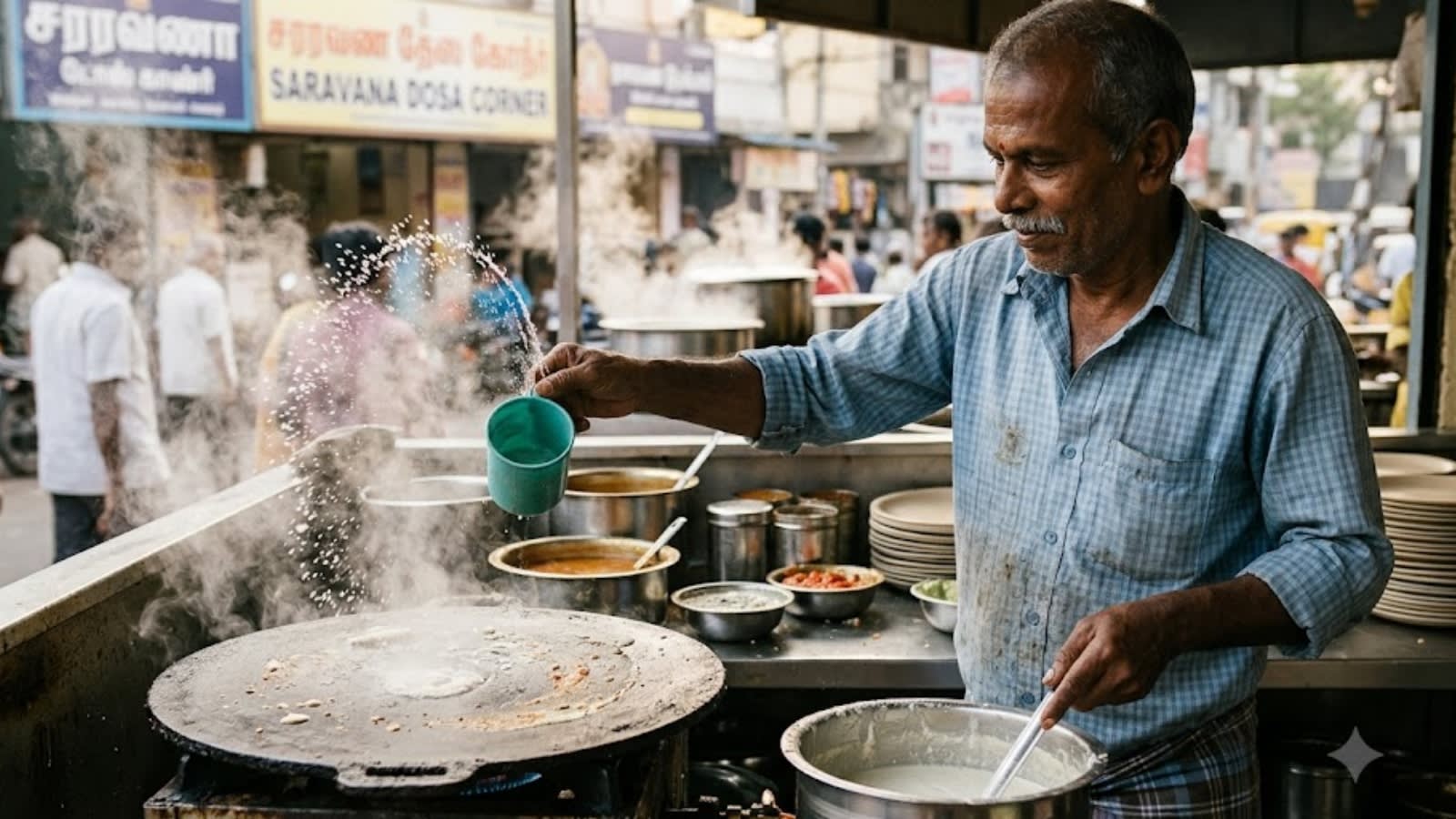
Splashing water on a hot dosa tawa is a practical technique to gauge the pan's surface temperature. This ritual ensures the batter spreads evenly, resulting in the desired texture for a perfectly cooked dosa.
The Science Behind the Dosa Tawa Ritual
In the landscape of Indian culinary traditions, the sight of a cook splashing a few droplets of water onto a hot tawa before pouring the dosa batter is ubiquitous. While often dismissed as a mere kitchen superstition or a habitual action, this practice serves a highly functional purpose in the preparation of one of India's most iconic dishes. By observing how the water reacts upon contact with the metal, the cook can effectively calibrate the heat of the cooking surface.
Temperature Regulation and the Leidenfrost Effect
The primary utility of this water-splash technique lies in temperature management. As noted by experts like Dt. Amreen Sheikh of KIMS Hospitals, Thane, the behavior of the water droplets provides a visual cue regarding the pan's thermal state. When water is dropped onto a sufficiently hot surface, the droplets may sizzle or dance across the pan, indicating that the temperature has reached the threshold necessary for the batter to set correctly without burning or sticking.
Achieving the Perfect Texture
For a dosa to achieve its characteristic thin, crispy, and golden-brown texture, the tawa must be at an optimal heat level. If the pan is too cold, the batter will adhere to the surface, resulting in a soggy, uneven mess. Conversely, if the pan is overheated, the batter will solidify too quickly, preventing it from being spread into the signature thin circle. The water splash acts as a diagnostic tool, allowing the cook to adjust the heat source or wait for the pan to settle before proceeding with the batter.
Culinary Precision in Domestic Kitchens
This technique highlights the intersection of traditional culinary knowledge and basic thermodynamics. In professional and domestic kitchens alike, this method serves as an accessible, non-instrumental way to ensure consistency. It demonstrates that traditional cooking methods often rely on empirical observations that align with scientific principles of heat transfer and surface tension.
Broader Implications for Home Cooking
Understanding the reasoning behind such rituals encourages a more mindful approach to cooking. By moving beyond following recipes blindly and instead learning to read the physical cues of the kitchen environment, home cooks can significantly improve their results. The dosa tawa practice is a prime example of how small, deliberate actions can lead to superior culinary outcomes.
Conclusion
Ultimately, the act of splashing water on a tawa is far more than a ritual; it is a vital step in the preparation of a dosa. By utilizing this simple indicator to manage temperature, one can ensure the batter spreads evenly and cooks to perfection. This practice remains a testament to the wisdom embedded in traditional cooking techniques, blending cultural heritage with practical, scientific utility.