A Love Letter to the Super Dimension Fortress
Source Entity
Hacker News
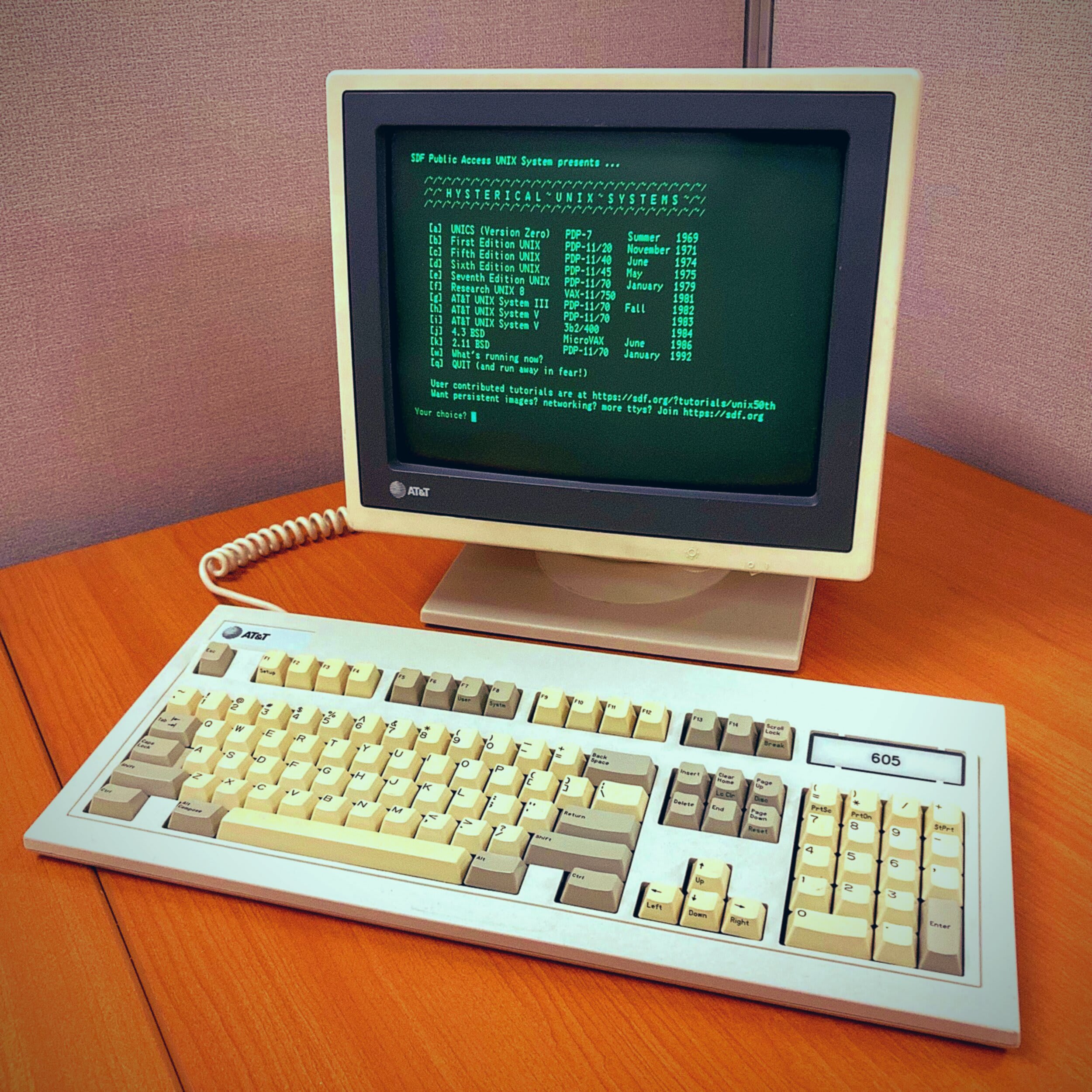
The SDF (Super Dimension Fortress) is a long-standing public-access UNIX system that has operated continuously since 1987. It serves as a living relic of the BBS era, preserving the spirit of early internet community building and digital infrastructure.
The Legacy of the Super Dimension Fortress (SDF)
In an era dominated by centralized social media platforms and ephemeral cloud services, the continued existence of the Super Dimension Fortress (SDF) serves as a profound reminder of the internet's grassroots origins. Founded on June 16, 1987, by Ted Uhlemann, also known as "iczer," the SDF began as a humble Bulletin Board System (BBS) hosted on an Apple IIe. This origin story is not merely a nostalgic footnote; it represents the foundational spirit of the early digital age, where individual enthusiasts built their own networks to foster communities centered around shared interests like anime, industrial music, and niche cultural movements.
The BBS Era and Digital Roots
To understand the significance of the SDF, one must look back at the BBS era of the late 1980s. Before the ubiquity of the World Wide Web, communication was facilitated through dial-up modems and local phone lines. The SDF-1, named after a vessel from the anime series The Super Dimension Fortress Macross, was designed to aggregate enthusiasts who were geographically dispersed but digitally connected. This period defined the "small-web" ethos—an approach to connectivity that prioritized community interaction, technical exploration, and the democratization of server access, long before the internet became a commercialized commodity.
Surviving the Waves of Change
What makes the SDF truly remarkable is its continuous operation for over four decades. While countless other BBS platforms folded under the pressure of the 1990s internet boom or the shift toward corporate-owned social media, the SDF persisted as a non-profit, public-access UNIX system. By operating as a non-profit, it escaped the inherent biases of advertising-driven models, allowing it to maintain a focus on user privacy and technical education. Its survival highlights the resilience of decentralized systems and the dedication of a community committed to preserving digital heritage.
Technical Preservation and Community
Becoming an ARPA member on the SDF is more than just gaining access to a server; it is an act of participating in a living history. The system functions as a time capsule, utilizing UNIX environments that have largely been abstracted away by modern graphical user interfaces. For those who value the "shoulders of giants" upon which the modern web is built, the SDF provides an invaluable look at the command-line interfaces and text-based protocols that defined early telecommunications. It remains a sanctuary for those who prefer the utility and simplicity of early internet tools over modern, bloated web applications.
Implications for the Future
The enduring presence of the SDF offers a blueprint for future digital infrastructure. As users grow increasingly weary of algorithmic manipulation and data harvesting, the resurgence of interest in federated, user-owned, and non-profit digital spaces is inevitable. The SDF demonstrates that community-driven platforms do not need to scale infinitely to be successful; they only need to provide consistent value and a stable environment for their members. By continuing to operate, the SDF serves as a beacon for alternative internet models that prioritize human connection and technical literacy over corporate control.