Sebi’s proposal on LTCG tax, RIL surge lift stock markets
Source Entity
Latest News: Todays Latest News Headlines from India & World | Hindustan Times
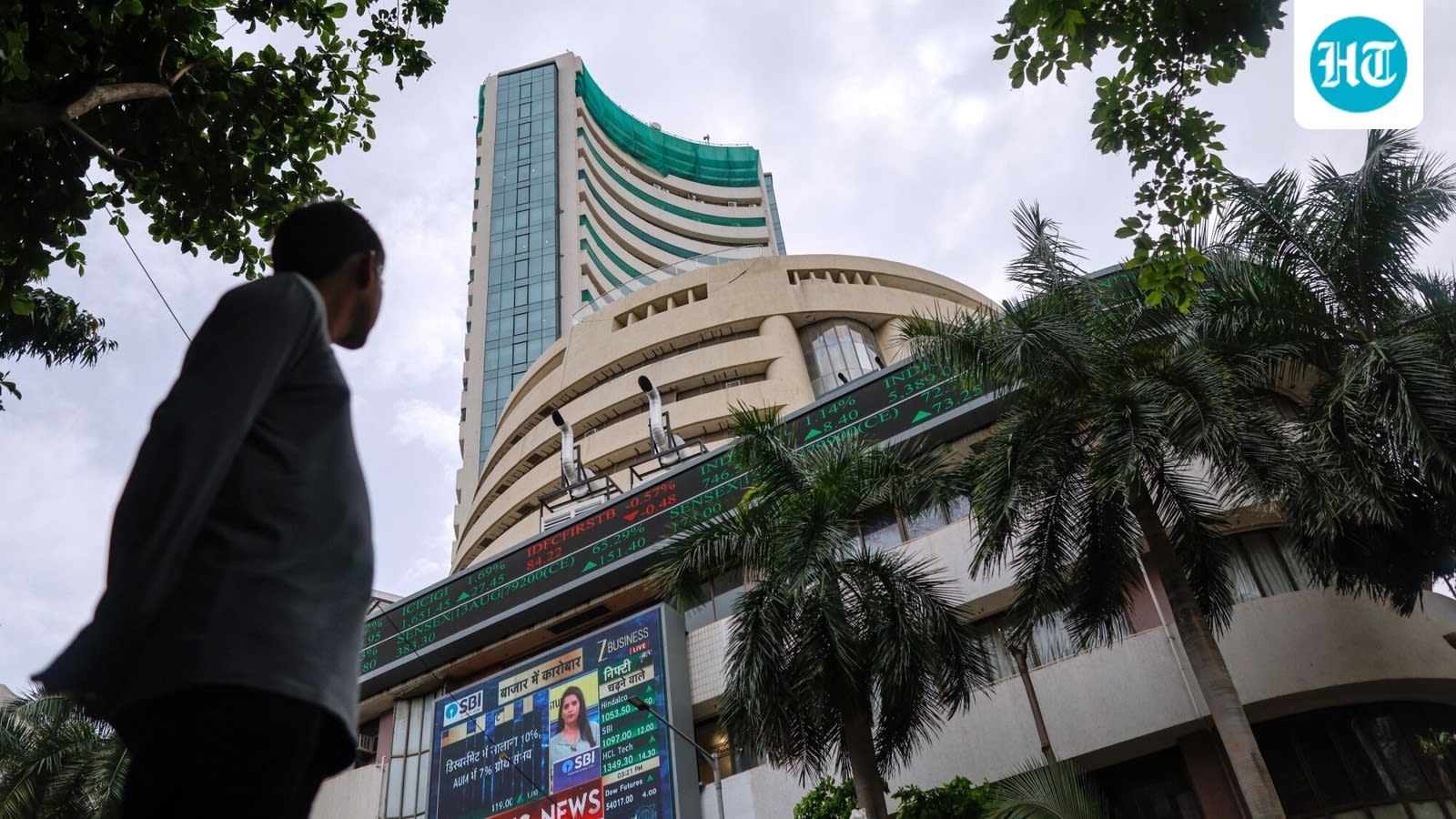
Indian stock markets rallied nearly 2% following a surge in Reliance Industries shares and regulatory proposals from Sebi. The regulator has suggested scrapping long-term capital gains tax for foreign investors to boost market liquidity.
Market Surge Driven by Regulatory Optimism and Corporate Performance
On Monday, Indian financial markets experienced a significant boost, with benchmark indices climbing nearly 2%. This rally was primarily fueled by a potent combination of robust corporate performance from Reliance Industries (RIL) and growing investor optimism regarding potential tax reforms. The market sentiment shifted positively as reports emerged detailing the Securities and Exchange Board of India (Sebi) proposals aimed at revitalizing the equity landscape.
The Impact of Reliance Industries on Market Sentiment
The surge in Reliance Industries shares played a pivotal role in the day's positive momentum. RIL witnessed its most substantial intraday upmove since April 2020, acting as a primary catalyst for the broader market index gains. As one of India’s most heavily weighted stocks, RIL’s performance often dictates market direction; its strong showing provided the necessary confidence for institutional and retail investors alike to increase their exposure during the trading session.
Sebi’s Strategic Proposal for Foreign Investors
Central to the market's enthusiasm is the reported recommendation by Sebi to scrap the long-term capital gains (LTCG) tax specifically for foreign investors. This move is viewed as a strategic attempt by the regulator to address the underperformance of Indian equity markets and enhance their attractiveness to global capital. By reducing the tax friction associated with international investments, policymakers hope to reverse capital outflows and foster a more stable, liquid trading environment.
Expanding Incentives: Mutual Fund Reforms
Beyond foreign institutional investors, Sebi’s proposals extend to domestic retail participation. The regulator has suggested an LTCG exemption for mutual fund investors who choose to liquidate existing holdings for the purpose of reinvesting into other funds. This policy is designed to encourage portfolio churn and long-term retention within the mutual fund ecosystem, effectively lowering the cost of rebalancing for individual investors.
Challenges and Future Implications
While the market reacted with immediate optimism, analysts caution that tax efficiency is merely one component of a broader economic puzzle. As noted in market assessments, while Sebi’s proposal is a constructive step, it is not a panacea that will single-handedly restore foreign capital inflows. Future market trends will depend on a confluence of factors, including macroeconomic stability, corporate earnings growth, and broader regulatory ease-of-doing-business initiatives.
Conclusion
The recent rally underscores the sensitivity of the Indian stock market to regulatory signals and the performance of index heavyweights. By proposing the removal of LTCG taxes, Sebi is signaling a proactive approach to market competitiveness. However, sustained growth will likely require a continued focus on structural reforms that extend beyond tax policy to ensure that India remains a compelling destination for global investment capital.
Verification Required?