SEC’s Peirce says crypto vaults and onchain lending may fall under securities laws
Source Entity
Cointelegraph by Nate Kostar
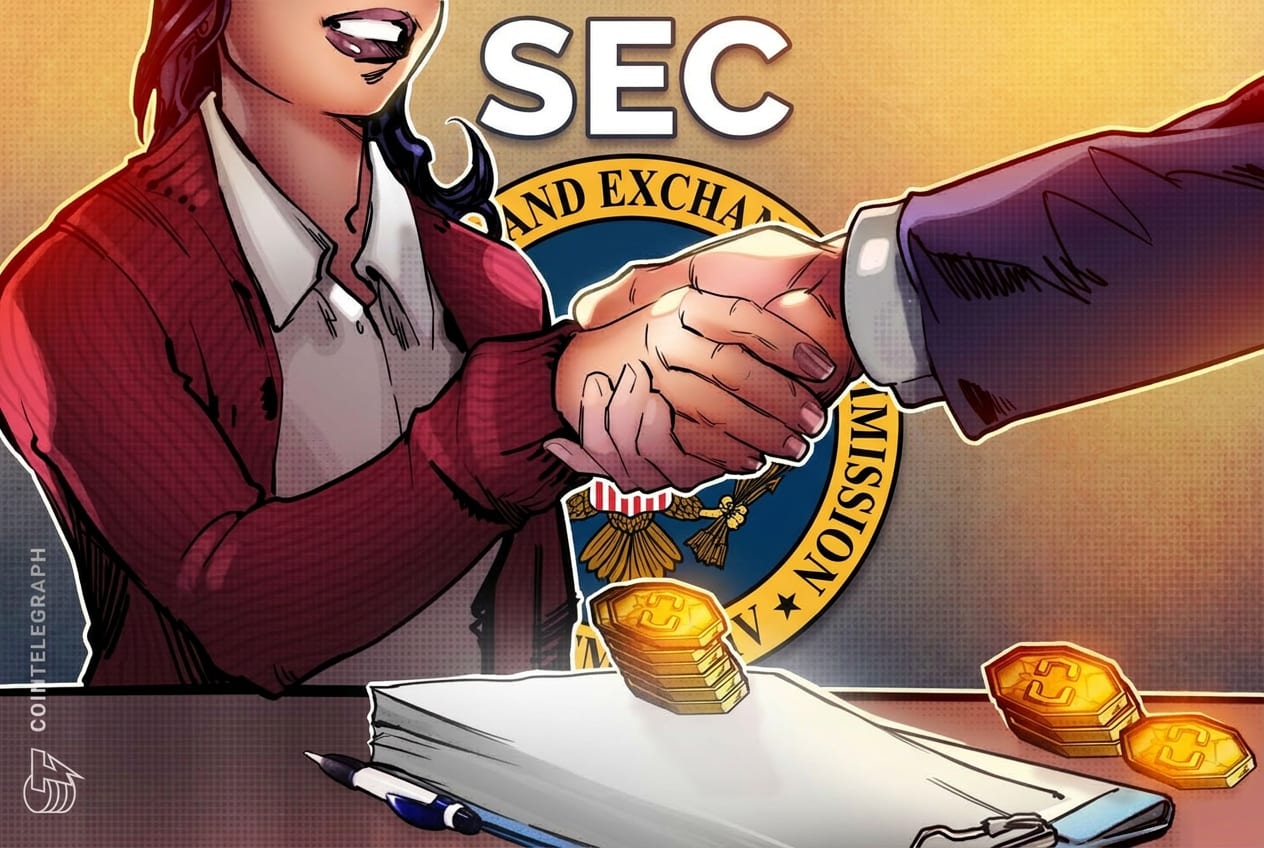
SEC Commissioner Hester Peirce has warned that crypto vaults and onchain lending products may be subject to US securities laws. Developers are urged to evaluate if their asset management tools require formal regulatory compliance.
The Regulatory Landscape of Decentralized Finance
SEC Commissioner Hester Peirce has issued a significant advisory regarding the intersection of decentralized finance (DeFi) tools and traditional federal securities laws. The core of the concern lies in the operational nature of crypto vaults and onchain lending products. According to Commissioner Peirce, when these tools move beyond simple passive storage and begin to involve discretionary management, they may cross the threshold into regulated investment contracts.
Defining Discretionary Management
The distinction highlighted by the SEC hinges on the level of agency involved in the product's operation. Peirce explicitly identified several activities that could trigger regulatory oversight, including the allocation of assets, the selection of yield-generating strategies, the setting of specific lending terms, and the determination of liquidation thresholds. When a protocol or vault operator makes these decisions on behalf of users, the SEC may view the resulting structure as an investment vehicle rather than a purely technological tool.
Implications for DeFi Developers
For the burgeoning sector of onchain financial products, this guidance serves as a critical warning to developers. The industry has historically operated under the assumption that decentralized, code-based protocols exist in a regulatory gray area. However, the Commissioner’s statement suggests that the SEC intends to look past the underlying blockchain technology to the actual economic substance of the product. Developers are now being urged to proactively assess whether their automated strategies constitute securities, which would necessitate registration and adherence to federal compliance standards.
Historical Context and Regulatory Trends
The SEC’s focus on DeFi represents a broader trend of increased scrutiny toward the digital asset ecosystem. By applying the Howey Test—the standard legal framework for determining whether a transaction qualifies as an investment contract—the SEC is asserting its authority over assets that mimic traditional financial instruments. This approach reflects a historical pattern where regulators seek to harmonize emerging fintech innovations with long-standing consumer protection mandates designed to prevent fraud and ensure market transparency.
Future Outlook for Crypto Asset Management
Looking forward, the digital asset industry must prepare for a landscape where regulatory compliance is integrated into the design phase of new protocols. If crypto vaults and lending platforms are indeed categorized as securities, they will likely face requirements related to disclosure, reporting, and anti-money laundering protocols. While this may impose higher costs on innovation, it could also provide a clearer path for institutional adoption by establishing a formal legal framework within which these products can safely operate.
Conclusion
Ultimately, Commissioner Peirce’s remarks underscore the SEC’s ongoing effort to bring clarity to the DeFi space. As the distinction between 'asset management' and 'automated protocol' continues to blur, projects that rely on discretionary decision-making will likely find themselves under the regulatory microscope. Developers who prioritize legal compliance in their architecture may find themselves better positioned to navigate the evolving requirements of the US financial system.