The Secret Origins of Amazon's Alexa
Source Entity
Hacker News
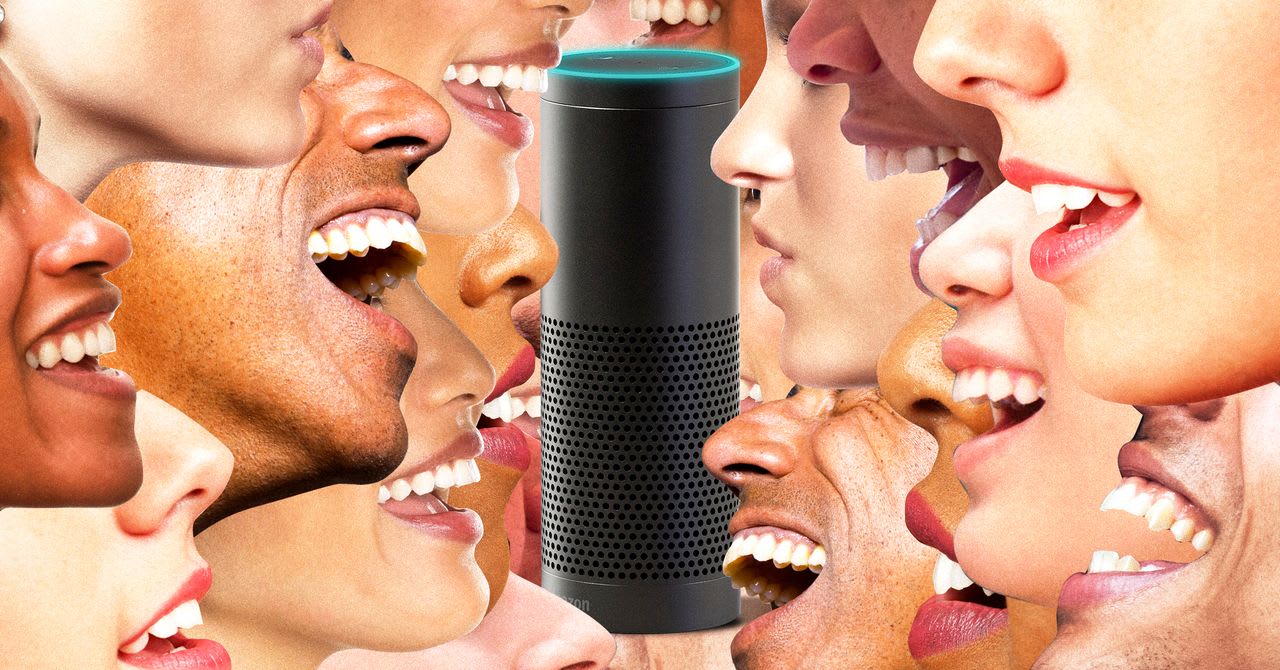
Amazon's Alexa originated from Jeff Bezos' 2011 vision of a low-cost, cloud-reliant voice assistant. This innovation leveraged AWS infrastructure to enable continuous remote updates without hardware changes.
The Genesis of Amazon’s Alexa: From Whiteboard to Reality
In early 2011, Jeff Bezos articulated a vision that would fundamentally alter the landscape of consumer electronics. During a strategic session, Bezos sketched a concept on a conference room whiteboard that would eventually become the Amazon Echo. His initial parameters were ambitious: a device priced at a mere $20, operated exclusively through voice commands, and powered by a cloud-based architecture. This foundational design sought to decouple the intelligence of the device from its physical hardware, relying on Amazon Web Services (AWS) to host the 'brains' of the system.
Architectural Innovation and Cloud Dependency
By shifting the computational burden to the cloud, Bezos and his team solved the problem of hardware obsolescence. This approach allowed Amazon to iterate and improve the device’s capabilities remotely, ensuring that users always had access to the latest software updates without the need to purchase new equipment. The integration of AWS was not merely a technical choice but a strategic business move, positioning Amazon’s ecosystem as a living, evolving service rather than a static consumer product.
Design Philosophy and Challenges
The initial sketches for the device were remarkably minimalist, featuring only a speaker, a microphone, and a physical mute button. Bezos chose to name the intelligence 'Alexa,' a deliberate homage to the ancient Library of Alexandria—a symbol of vast, accessible knowledge. However, the development team, including technical leads like Greg Hart, faced significant hurdles. The most pressing of these was the 'out-of-the-box' experience; the early designs lacked the capability to understand commands immediately upon activation and required a complex configuration process to connect to wireless networks.
Scaling the Vision
The transition from a whiteboard sketch to a mass-market product required overcoming fundamental user experience challenges. The requirement for a seamless setup process became a central focus, as the team recognized that the friction of connecting a device to a home network could deter mainstream adoption. By focusing on voice-first interaction, Amazon sought to remove the complexity of traditional interfaces, aiming for a frictionless experience that felt natural to the user.
Broader Implications for Tech
This project marked a turning point in the industry's approach to IoT (Internet of Things). By prioritizing cloud-native intelligence, Amazon set a new standard for smart home technology. The ability to deploy updates over-the-air transformed consumer expectations, leading to a market where the value of a device is defined as much by its software updates as by its physical design. This trajectory has solidified Amazon's dominance in the smart speaker market and continues to influence how modern AI assistants are developed and deployed globally.