Stock Market Highlights, Sensex Today: Sensex Settles 330 Points Lower As Brent Crude Tops $100 Amid US-Iran War
Source Entity
NDTV News Search Records Found 1000
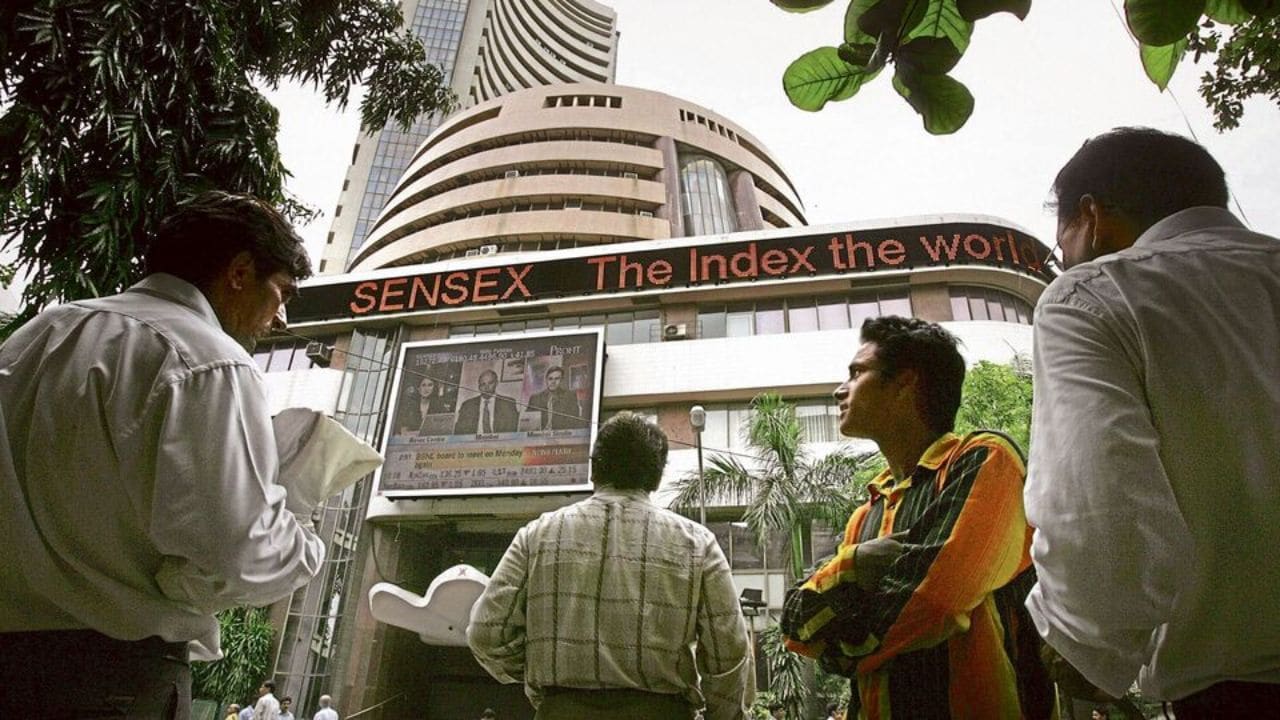
The Indian stock market faced significant pressure, with the Sensex closing 330 points lower. This volatility was driven by global market concerns as Brent crude prices surged past $100 per barrel amid escalating US-Iran tensions.
Market Volatility Amid Geopolitical Instability
The Indian equity markets, represented by the benchmark Sensex, experienced a notable downturn, closing 330 points lower in the latest trading session. This decline is a direct reflection of the heightened sensitivity of global financial markets to geopolitical conflicts. When major indices react sharply to international events, it underscores the interconnectedness of modern stock markets and the vulnerability of emerging economies to external shocks.
The Impact of Soaring Energy Prices
The most critical driver of this market sentiment is the surge in Brent crude oil prices, which have crossed the $100 per barrel threshold. For a net oil-importing nation like India, rising crude prices act as a significant headwind. Increased energy costs lead to higher import bills, which exert pressure on the current account deficit and the value of the Indian Rupee, ultimately squeezing corporate margins and investor sentiment.
Geopolitical Tensions: The US-Iran Conflict
The primary catalyst for the spike in oil prices is the escalating tension between the United States and Iran. Historical patterns suggest that whenever instability flares up in the Middle East, particularly involving major energy-producing or transit-controlling nations, global supply chain fears dominate investor behavior. The uncertainty regarding the stability of oil shipments through critical maritime chokepoints creates a risk premium that pushes energy prices upward.
Sectoral Implications and Investor Behavior
When the Sensex dips due to external geopolitical factors, the reaction is often broad-based across the Nifty and the wider share market. Investors typically pivot toward defensive sectors, while high-beta stocks face intense selling pressure. The current climate forces institutional and retail investors alike to reassess their risk appetite, as the prospect of sustained high inflation—fueled by energy prices—could necessitate tighter monetary policies from central banks.
Future Trends and Market Outlook
Looking ahead, the trajectory of the Indian stock market remains heavily tethered to the duration and intensity of the US-Iran situation. If the conflict remains localized, the market may stabilize as it adjusts to the new price equilibrium. However, a prolonged standoff with continued upward pressure on crude oil could lead to sustained market volatility and a re-evaluation of growth forecasts for the fiscal year. Investors are advised to monitor energy indices and central bank commentary closely as indicators of future market stability.
Verification Required?