Sensex surges 2,000 points intraday: Why is the stock market rallying?
Source Entity
George Mathew
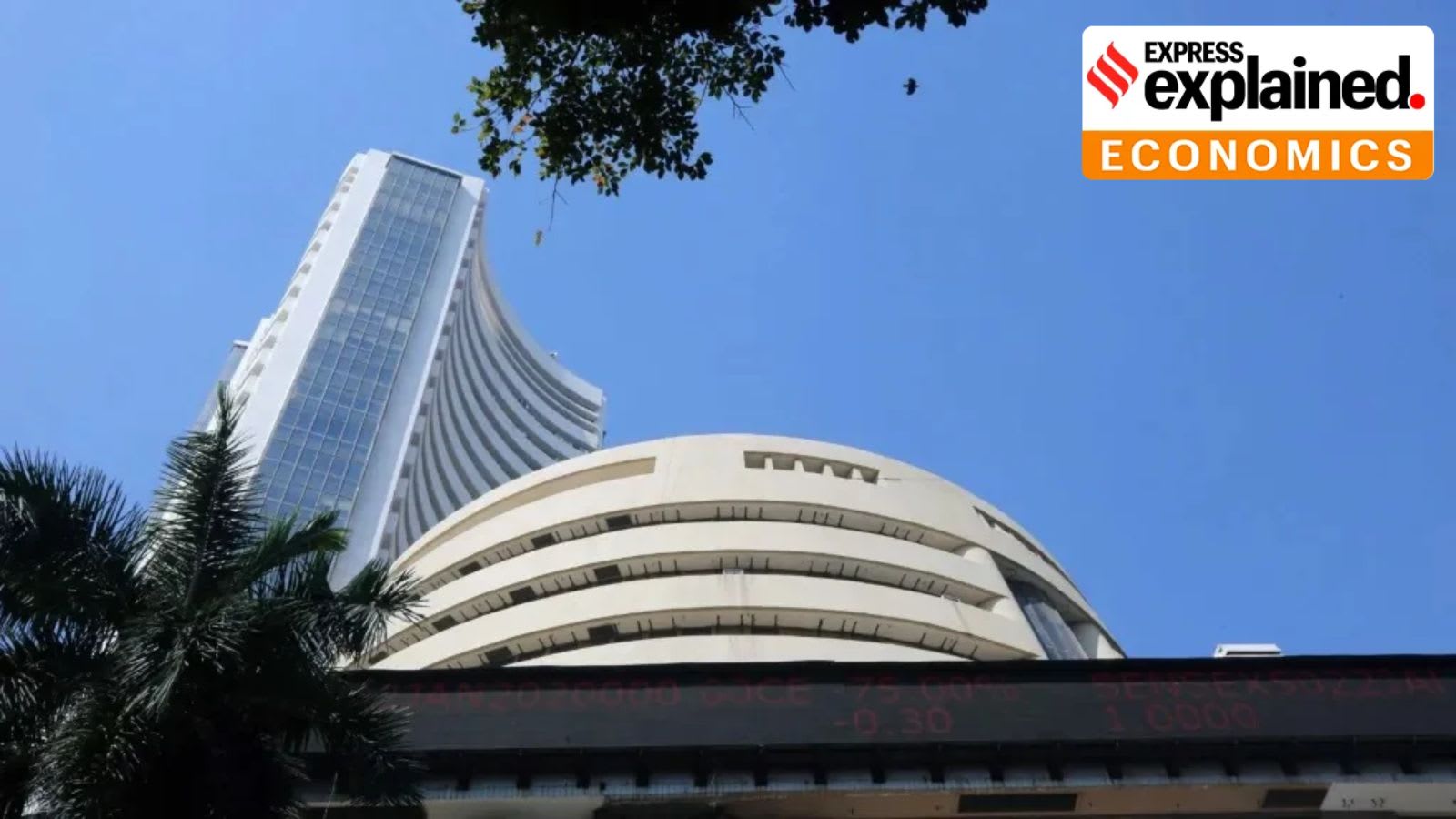
The Indian stock market experienced a significant rebound, with the Sensex surging 2,000 points intraday before closing 1.8% higher. This recovery was fueled by strong FII inflows, positive earnings, and a renewed interest in IT stocks, helping recoup most of the year's earlier losses.
Indian Equities Stage a Resilient Rebound
The Indian stock market demonstrated remarkable resilience on Wednesday, as both the BSE Sensex and NSE Nifty 50 staged a significant recovery. The Sensex witnessed a staggering intraday surge of over 2,000 points, effectively reversing the bearish sentiment that dominated the previous trading session. By the closing bell, the Sensex had settled 1,502.29 points higher, representing a 1.8% gain, while the Nifty 50 concluded the day with a 1.9% increase, signaling a robust return of investor confidence.
Drivers of the Market Surge
This bullish momentum was underpinned by a confluence of positive factors. Chief among these were sustained foreign institutional investor (FII) buying and strong corporate earnings reports, which provided a solid foundation for the rally. Furthermore, the market was buoyed by improving global cues, which helped dampen the impact of recent volatility. The Nifty IT index, in particular, saw a notable jump of 2.39%, reflecting a renewed appetite for technology stocks despite broader global instability in the AI sector.
Navigating Global Volatility
Global markets have been characterized by heightened volatility, particularly concerning technology and AI-related stocks, which have caused sharp swings across major international indices. The Indian market's ability to shrug off this external pressure suggests a decoupling of sorts, or at least a strong internal appetite for equities. By recouping the losses incurred during Monday's profit-booking session, the Indian indices have reaffirmed their underlying strength.
Sectoral Performance and Breadth
Beyond the headline indices, the rally was broad-based, with most sectoral indices participating in the upward movement. Banking, financial services, FMCG, and pharmaceuticals emerged as the top performers, indicating that the recovery was not limited to a single sector but was representative of a wider market optimism. This diversity in performance is a healthy indicator for the longevity of the current market trend.
The Path Toward 2026 Recovery
Perhaps the most significant takeaway from this rally is the progress made toward erasing the year's losses. After experiencing a drawdown of 16-17% at their lowest points in 2026, the Sensex and Nifty 50 have made substantial progress in November, gaining 12-13% during the month alone. Currently, the indices are within a mere 1% of fully wiping out their year-to-date losses, positioning them just shy of their record highs.
Future Outlook and Trends
As investors look ahead, the ability of the market to sustain these gains will likely depend on the consistency of FII inflows and the continued stability of corporate earnings. While the indices are currently near their previous peaks, the rapid recovery from a significant annual deficit highlights the structural attractiveness of the Indian equity market to global participants. Should this momentum persist, the market is well-poised to enter a new phase of growth as it closes the chapter on the volatility that defined much of 2026.
Multiple Citing Sources