Our matters won’t be solved in Washington: Omar before meeting with Sergio Gor
Source Entity
Naveed Iqbal
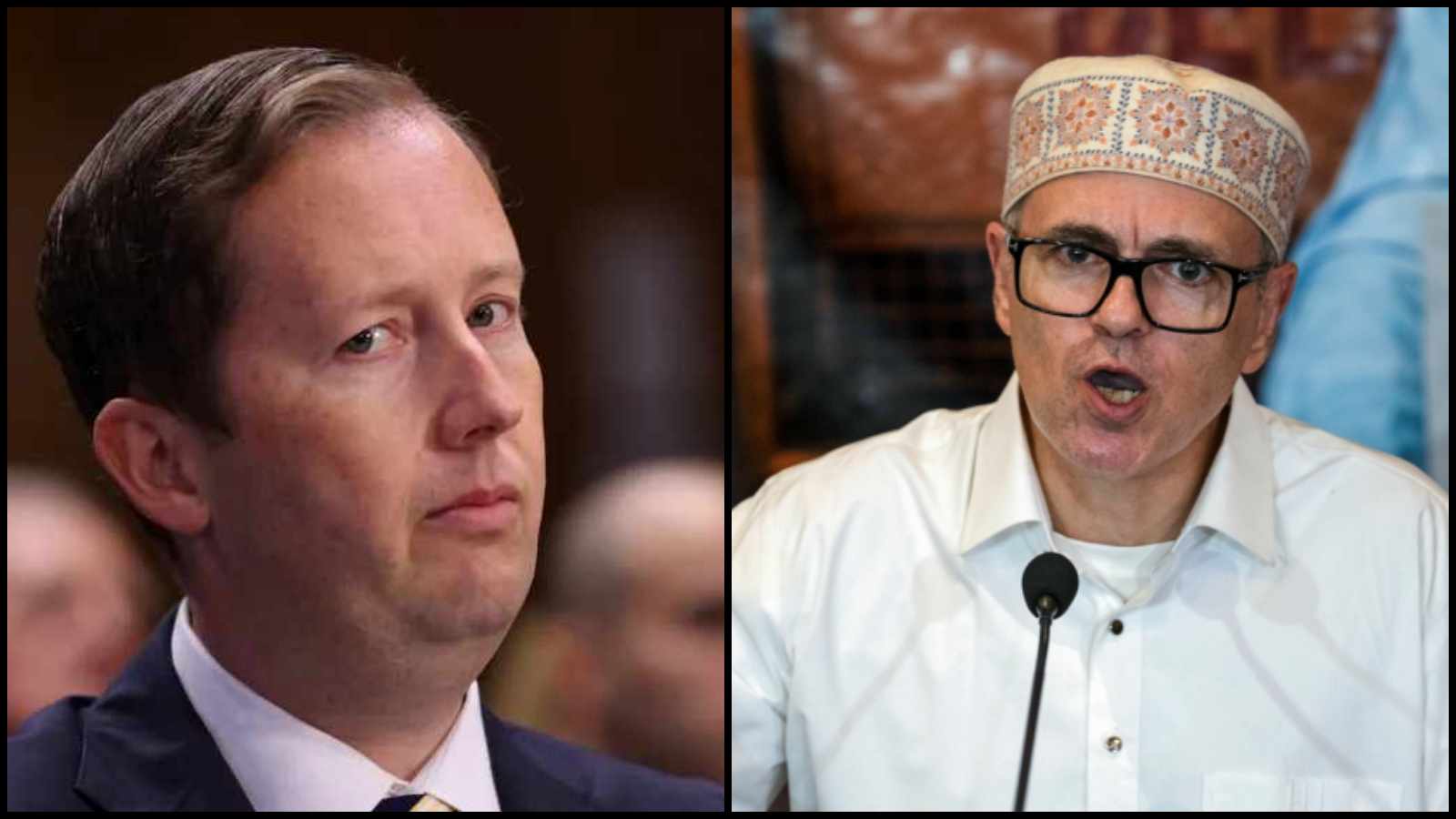
US Ambassador to India Sergio Gor visited Srinagar, signaling a shift in US diplomatic posture by acknowledging Jammu and Kashmir as an integral part of India. Chief Minister Omar Abdullah welcomed the visit while firmly asserting that regional issues remain a domestic matter for the Indian government to resolve.
A Diplomatic Shift: US-India Relations in Jammu and Kashmir
The recent visit of US Ambassador to India, Sergio Gor, to Srinagar marks a significant milestone in the evolving geopolitical landscape of South Asia. By touring both Jammu and Kashmir and Ladakh, and explicitly stating, “This is an important part of India,” Ambassador Gor has effectively signaled a decisive shift in American diplomatic rhetoric. This declaration stands in stark contrast to decades of historical ambiguity, where US involvement in the region was often characterized by a more detached, and at times interventionist, perspective regarding the status of the territory.
Omar Abdullah’s Stance on Domestic Sovereignty
Chief Minister Omar Abdullah’s reaction to the visit underscores a firm commitment to the principle of domestic sovereignty. While acknowledging the importance of the diplomatic engagement, Abdullah was categorical in his assertion that the region's challenges are not to be addressed through foreign mediation. By stating that local problems will be resolved by the government in New Delhi rather than in Washington, Abdullah is reinforcing the narrative that Jammu and Kashmir’s political trajectory is an internal Indian affair, effectively insulating the region from external political pressures.
Historical Context and the End of Ambiguity
The irony of this visit is not lost on political observers. Historical records indicate that seventy-three years ago, American emissaries engaged with Sheikh Abdullah—the current Chief Minister’s grandfather—regarding the potential for independence. The fact that the grandson now stands alongside a US ambassador who publicly affirms India’s territorial integrity represents a profound reversal of that historical trend. This visit marks the formal end of the era where the US played a role in fueling uncertainty regarding the region's status.
Security Improvements and Future Trends
Ambassador Gor’s visit also brought attention to the changing security landscape of the Valley. His suggestion that Washington may review its travel advisories for the region is a direct nod to the perceived improvements in stability. This potential policy shift by the United States could have broader economic implications, potentially encouraging international investment and tourism in a region that has long suffered from the stigma of instability. If the US follows through on revising these advisories, it could serve as a bellwether for other Western nations to normalize their travel guidelines.
The Role of the Lieutenant Governor and Local Governance
Beyond the headline-grabbing statements, the meeting between Ambassador Gor, Chief Minister Omar Abdullah, and Lieutenant Governor Manoj Sinha highlights the necessity of multi-layered governance in the region. The engagement suggests that the US is now interacting with the established constitutional framework of the Union Territory. By meeting with both the elected leadership and the central government’s representative, the US is acknowledging the current administrative reality of the region, further cementing the shift away from past diplomatic hedging.
Conclusion: A New Chapter in Bilateral Ties
Ultimately, the visit of Sergio Gor serves as an acknowledgment of India’s administrative control and a rejection of the historical interference that once defined US-J&K relations. As Omar Abdullah rightly pointed out, the resolution of local matters rests with the Indian government. This visit suggests that the United States is moving toward a more pragmatic, stability-focused relationship with India, prioritizing the current geopolitical reality over the historical anxieties that defined the mid-20th century.
Multiple Citing Sources