Over 17,000 moved to safer places as floods affect 26 districts in Uttar Pradesh
Source Entity
India Latest News: Top National Headlines Today & Breaking News | The Hindu
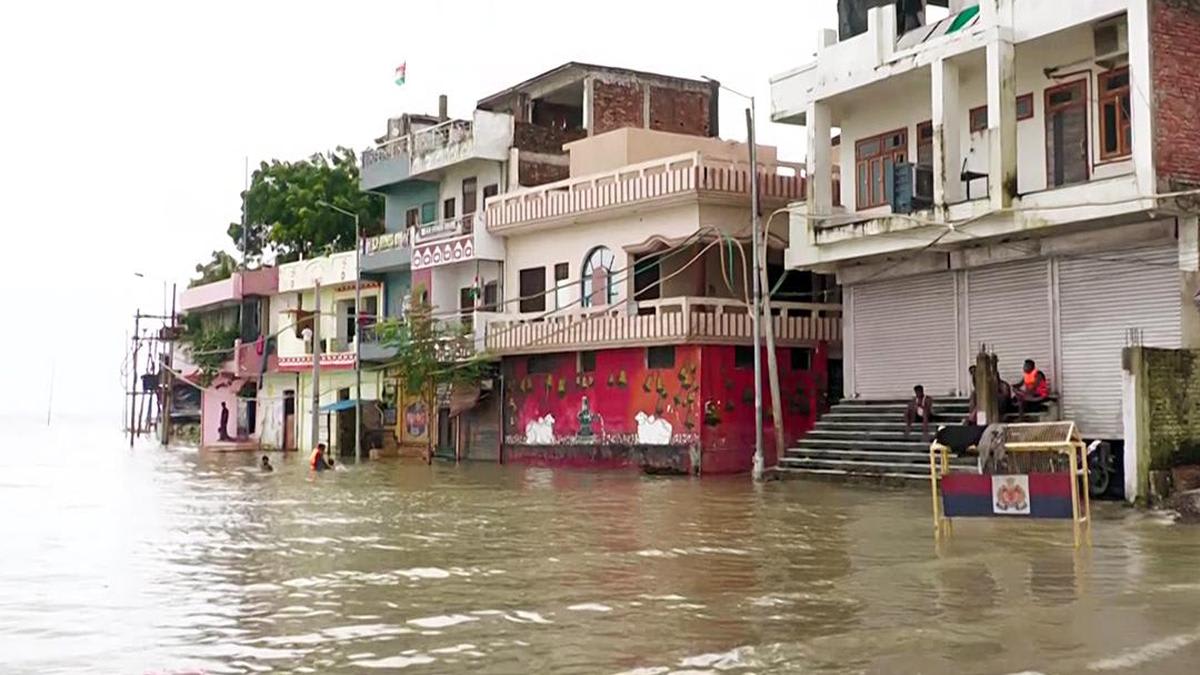
Severe flooding across Uttar Pradesh and Bihar has displaced thousands, with multiple rivers breaching danger levels. Authorities have deployed massive rescue operations and relief efforts to mitigate the impact of the ongoing crisis.
The Expanding Flood Crisis Across Northern India
The monsoon season has triggered a severe flood emergency across Northern India, specifically impacting the states of Uttar Pradesh and Bihar. As of early September 2026, the situation has escalated, with 26 districts in Uttar Pradesh alone grappling with rising waters. The sheer scale of the displacement—over 17,500 people evacuated and 3.53 lakh individuals affected—highlights the vulnerability of these regions to seasonal hydrological volatility.
Uttar Pradesh: A Proactive Response
In Uttar Pradesh, the state government has mobilized significant resources to prevent loss of life. The Flood Relief Commissioner’s office reported that while 4,847 individuals are currently sheltered, the proactive nature of the rescue machinery has successfully averted any reported human or livestock casualties. The distribution of 72,897 relief kits and over 3.67 lakh lunch packets signifies a coordinated effort to sustain affected populations while they wait for water levels to recede.
Bihar: Confronting the Ganga’s Surge
Across the border in Bihar, the situation is increasingly critical as the Ganga river has surpassed its 'highest flood level' at key points such as Gandhi Ghat. The rise in water levels, exacerbated by heavy rainfall in the catchment areas of Jharkhand and Nepal, has placed immense pressure on the state's infrastructure. Rivers such as the Kosi, Bagmati, and Burhi Gandak are also contributing to the inundation, threatening low-lying districts including Patna, Bhojpur, Vaishali, and Bhagalpur.
Disaster Management and Logistics
To combat the rising threat, the Bihar government has deployed a robust task force consisting of 33 teams from the National Disaster Response Force (NDRF) and the State Disaster Response Force (SDRF). These teams are operating on a 24/7 basis, supported by 693 government-operated boats. This logistical mobilization is essential for navigating submerged regions and ensuring that residents in isolated areas can be moved to safety.
Broader Meteorological Context
The crisis is further complicated by regional weather patterns, with an Orange alert issued for Delhi-NCR following sustained heavy rainfall. The interconnection between heavy precipitation in neighboring regions like Nepal and the subsequent surge in Indian river basins demonstrates the transboundary nature of flood risks. As climate patterns shift, the intensity and frequency of such flood events pose a long-term challenge for regional disaster management policies.
Future Trends and Resilience
Looking ahead, the reliance on high-frequency monitoring of river gauges—such as the 10 cm rise recorded at Gandhi Ghat—remains the primary tool for early warning. Future resilience will likely depend on infrastructure upgrades to manage water flow and the continued integration of rapid-response units. While the current lack of casualties is a positive indicator of effective emergency management, the recurring nature of these floods underscores the need for sustainable flood mitigation and improved urban planning in vulnerable riverine districts.
Verification Required?