Shambhu border sealed, farmer leaders detained ahead of Delhi protest against US trade deal
Source Entity
The Indian Express
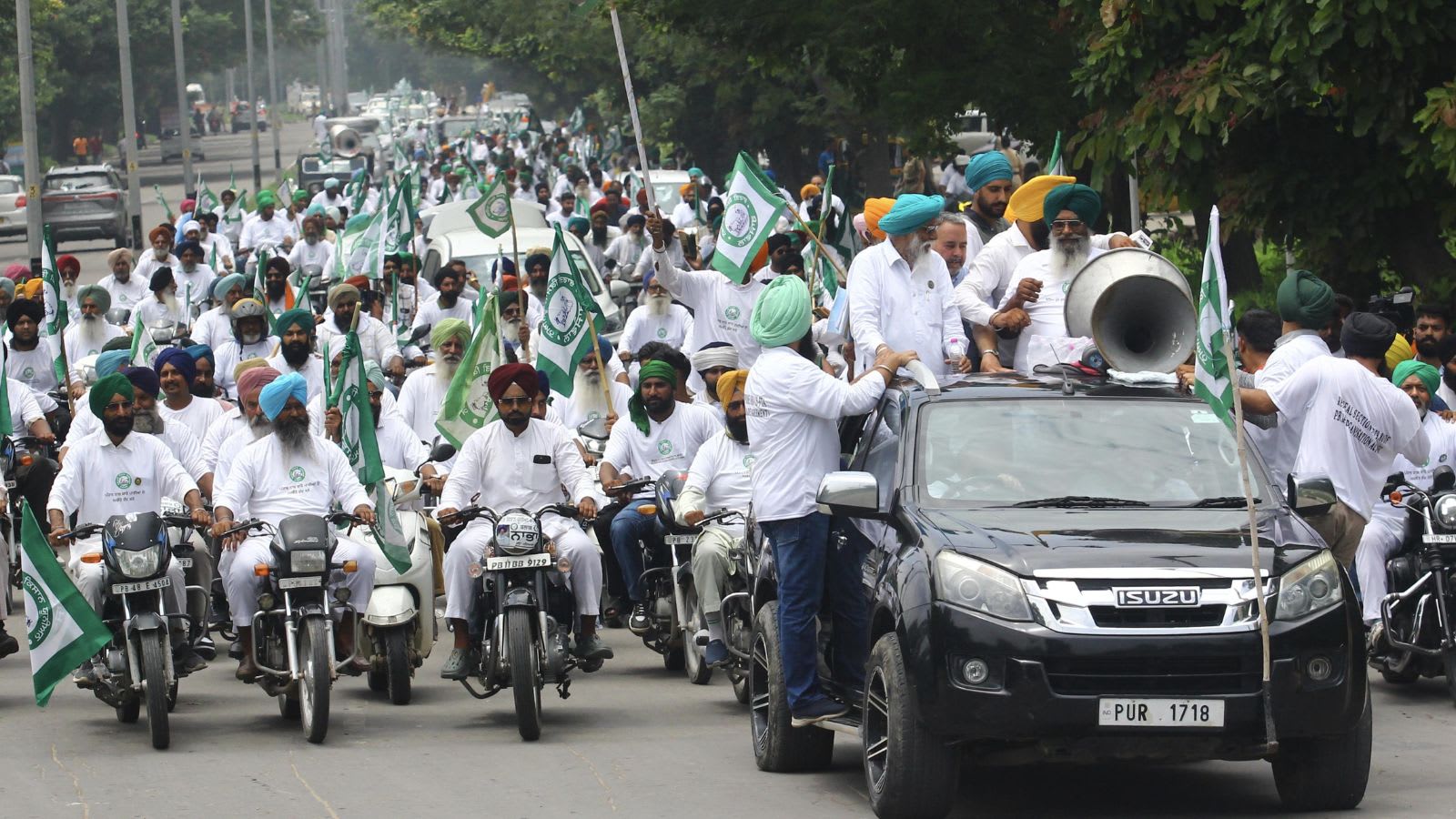
Haryana Police have sealed the Shambhu border and detained farmer leaders to block a march toward Delhi. Farmers are protesting against a proposed trade deal between India and the United States.
Tensions Escalate at Shambhu Border Over Proposed US-India Trade Deal
The Situation at the Border
In a significant escalation of civil unrest, the Haryana Police have effectively sealed the Haryana-Punjab border at Shambhu in the Ambala district. This preemptive measure was taken to prevent farmer unions from marching toward New Delhi to conduct a 'mahapanchayat' at Kisan Ghat. The protest is specifically organized to voice opposition against a proposed trade deal between the governments of India and the United States, which farmer organizations fear could negatively impact their livelihoods.
Security Measures and Deployment
To enforce the border closure, authorities have deployed approximately 15 companies of security forces, which includes a substantial contingent of paramilitary personnel. The physical infrastructure at the Shambhu border has been heavily fortified; police have erected multiple layers of barricades and placed heavy cement blocks on the bridge spanning the Ghaggar river. These tactical maneuvers are designed to neutralize the movement of hundreds of farmers who had gathered with the intent of reaching the capital.
Strategic Detentions and Containment
The state’s strategy extends beyond mere physical barriers. Reports indicate that multiple farmer leaders have been detained across various locations in Haryana ahead of the scheduled protest. By targeting the leadership, the state aims to disrupt the coordination and mobilization efforts of the unions. This tactic of preventative detention is a recurring feature in the management of large-scale agrarian protests, reflecting the administration's priority of maintaining order and preventing potential disruption within the National Capital Region.
Agricultural Concerns and Trade Policy
The core of the conflict lies in the apprehension surrounding the India-US trade agreement. Historically, Indian farmer unions have been deeply skeptical of international trade deals, fearing that opening domestic markets to foreign agricultural products could result in price instability and the erosion of local market protections. The 'mahapanchayat' at Kisan Ghat was intended to serve as a high-profile platform for farmers to demand transparency and protection from potential market volatility caused by such international agreements.
Broader Political Implications
This event highlights the ongoing friction between organized agricultural interest groups and the central government's trade and economic policy agenda. The use of state resources to block movement into the capital underscores the high stakes involved in these negotiations. As the government attempts to balance international economic cooperation with the demands of its domestic agrarian sector, the situation at the Shambhu border remains a critical focal point for labor and political activists nationwide.
Future Outlook
As the situation develops, the focus remains on whether the farmer unions will attempt to bypass the barricades or if the government will engage in dialogue to address their concerns. The deployment of paramilitary forces suggests a firm stance by the administration, while the farmers' resolve to reach Delhi indicates a long-standing impasse. The resolution of this specific protest will likely set a precedent for how future trade negotiations are communicated to and managed alongside the concerns of the Indian farming community.