Navratri 2026: Start and End Date, Navratri Colours With Calendar, Significance and Importance
Source Entity
Aanya Mehta
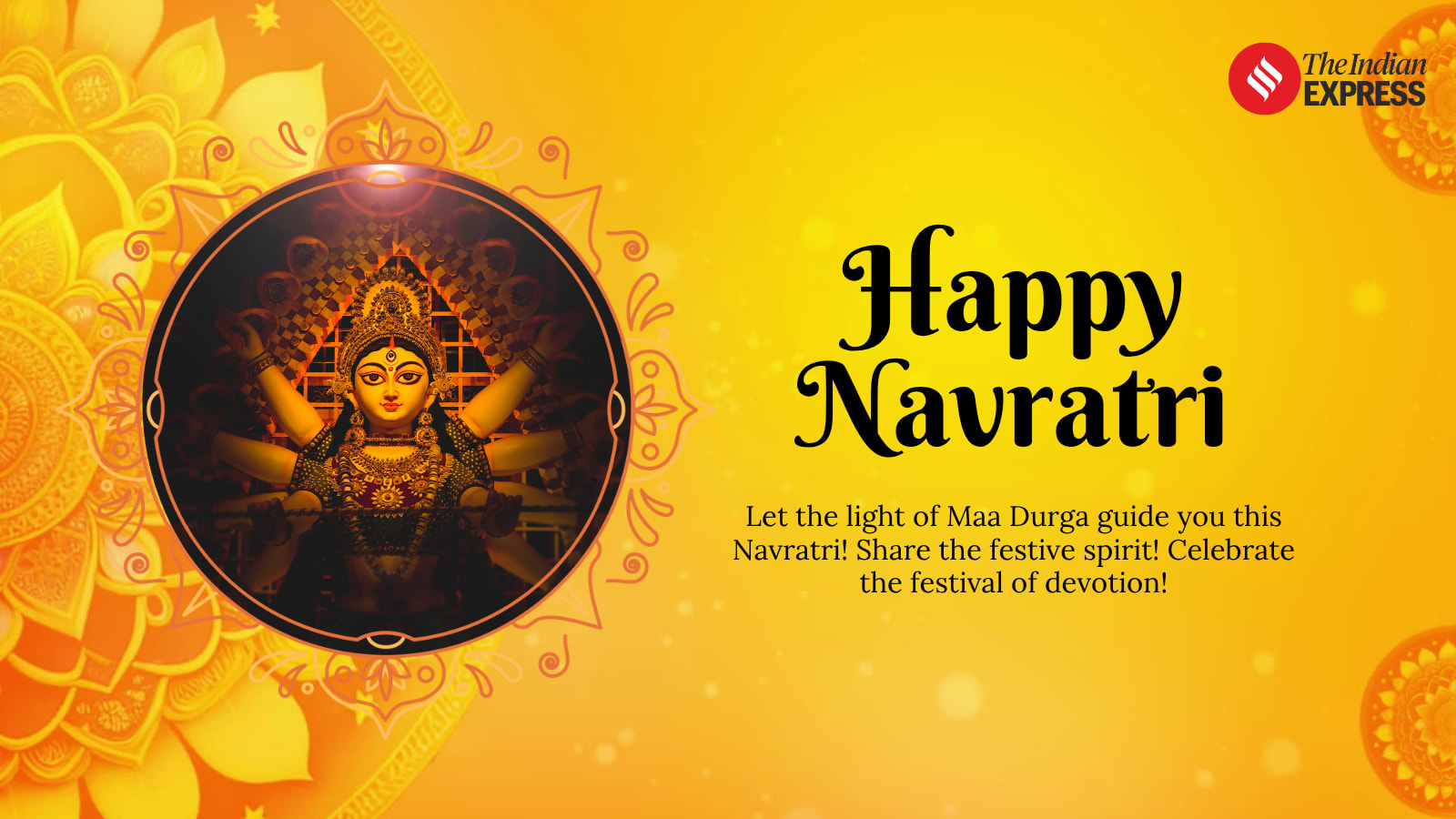
Sharad Navratri 2026 is a significant nine-night Hindu festival dedicated to the worship of Goddess Durga. The celebration honors her nine distinct manifestations, marking a period of deep spiritual devotion and cosmic reflection.
The Significance of Sharad Navratri 2026
Navratri, a term derived from the Sanskrit words 'nava' (nine) and 'ratri' (night), represents one of the most profound spiritual observances in the Hindu calendar. As we look toward 2026, the arrival of Sharad Navratri highlights the endurance of cultural traditions that have been practiced for centuries. Spanning nine consecutive nights and ten days, this festival serves as a pivotal time for devotees to engage in deep introspection and communal celebration, typically occurring during the autumn season.
The Divine Feminine: Understanding Shakti
At the heart of the Navratri festivities is the veneration of Goddess Durga, who is widely revered as the embodiment of Shakti, or universal cosmic power. The festival is structured around the worship of her nine distinct manifestations. Each form represents a unique aspect of divine energy, guiding devotees through a spiritual journey that culminates in the triumph of good over evil. This focus on the feminine divine underscores the philosophical importance of Shakti in Hindu cosmology.
A Calendar of Spiritual Renewal
While the Hindu calendar features four distinct Navratri periods throughout the year—Chaitra, Paush, Magha, and Sharad—the Sharad Navratri remains the most prominent and widely celebrated across India and the global diaspora. The transition of seasons during the autumn months provides a natural backdrop for this period of fasting, prayer, and cultural performance. It is a time when the community aligns its internal spiritual rhythm with the external shifts in the natural world.
Beyond Ritual: Cultural and Social Impact
Beyond the strictly religious rites, Navratri serves as a massive social equalizer and cultural catalyst. The festival facilitates a sense of unity, bringing families and communities together through shared rituals and traditional practices. The 2026 observance will continue this legacy, reinforcing the importance of heritage in an increasingly modern world. The repetition of these nine nights each year functions as a stabilizing force for cultural identity.
Conclusion: Looking Toward 2026
As participants prepare for Sharad Navratri 2026, the focus remains on the synthesis of devotion and tradition. By honoring the nine manifestations of Goddess Durga, practitioners not only preserve an ancient lineage of worship but also engage in a timeless practice of self-purification. As the festival approaches, the anticipation surrounding its calendar and traditional color observances reflects the vibrant, ongoing commitment to these sacred nights.