Had urged PM to hold talks with CJP, he may have heeded my advice: Sharad Pawar
Source Entity
India Latest News: Top National Headlines Today & Breaking News | The Hindu
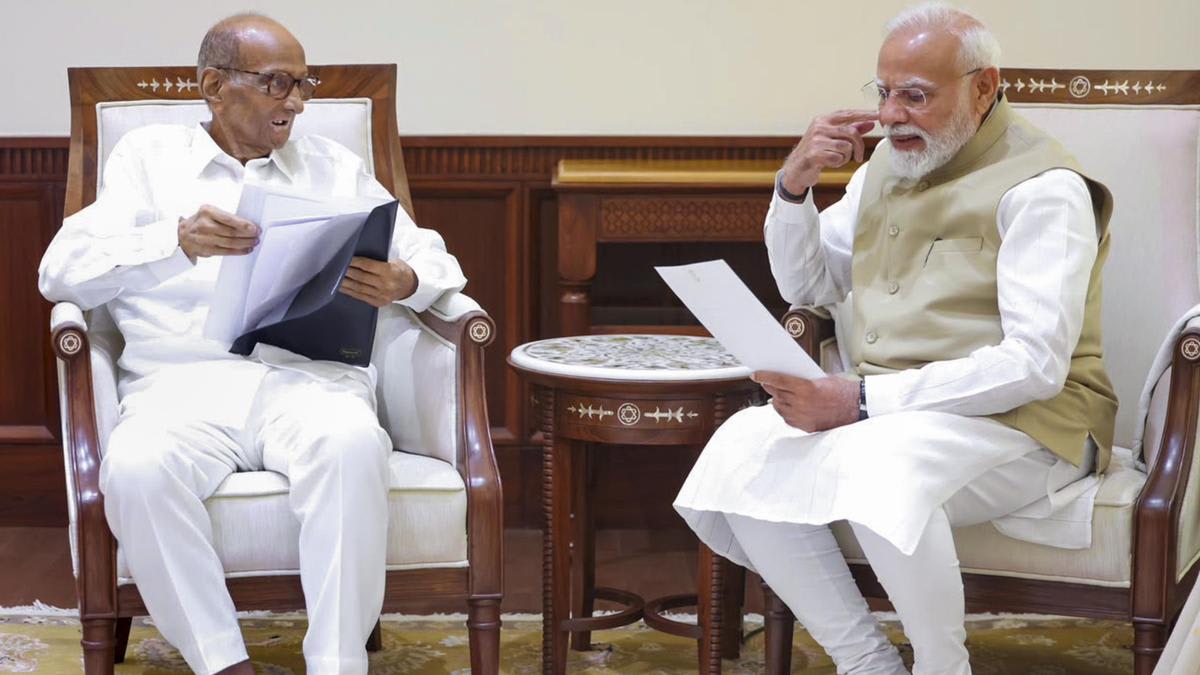
NCP(SP) leader Sharad Pawar claimed his mediation between PM Modi and CJP leader Abhijeet Dipke helped resolve the Jantar Mantar protests. This dialogue eventually led to the resignation of Education Minister Dharmendra Pradhan following the NEET paper leak controversy.
The Intersection of Protest and Policy: A Political Turning Point
The Role of Mediated Dialogue
NCP(SP) president Sharad Pawar has positioned himself as a pivotal mediator in the recent political unrest surrounding the NEET paper leak crisis. By explicitly stating that he advised Prime Minister Narendra Modi to engage in dialogue with the Cockroach Janta Party (CJP) rather than employing force against protesters at Jantar Mantar, Pawar highlights the delicate balance between civil unrest and governance. His assertion that the Prime Minister likely heeded this advice suggests a shift in how the current administration manages public dissent, moving toward negotiation to quell escalating tensions.
Accountability and Youth Power
At the core of this political development is the resignation of Union Education Minister Dharmendra Pradhan. Pawar framed this event not merely as a cabinet shuffle, but as a significant triumph for 'youth power' and the resilience of Indian democracy. The NEET paper leak has been a flashpoint for widespread student frustration across India, and Pradhan’s resignation serves as a tangible outcome of the sustained pressure applied by organized movements like the CJP. By framing the resignation as a moral victory, Pawar reinforces the legitimacy of protest as a corrective mechanism within the constitutional framework.
Strategic Alliances and Grassroots Influence
Sharad Pawar’s interaction with CJP founder Abhijeet Dipke underscores the influence of veteran political strategists in bridging the gap between grassroots agitation and the highest echelons of government. By meeting with protesters at Jantar Mantar and subsequently securing an audience with the Prime Minister, Pawar acted as a conduit for the grievances of the youth. This move demonstrates the enduring relevance of traditional political bridge-building in an era where protest movements often struggle to reach institutional decision-makers.
Implications for Future Governance
The resignation of a senior minister under the pressure of public protest sets a notable precedent for the current government's accountability standards. It indicates that when specific policy failures—such as the integrity of high-stakes examinations—collide with organized public outcry, the administration is vulnerable to political shifts. Pawar’s emphasis on 'dialogue' as an essential component of democracy suggests that he intends to advocate for this model of conflict resolution in future legislative and social disputes.
Conclusion: A Shift in Political Dynamics
Ultimately, the events surrounding the NEET paper leak and the subsequent resignation of Dharmendra Pradhan represent a critical juncture in contemporary Indian politics. Sharad Pawar’s involvement highlights the efficacy of combining direct protest with high-level political mediation. As the nation moves forward, the success of the CJP-led agitation at Jantar Mantar may serve as a blueprint for future movements seeking to hold the state accountable for systemic failures, provided there is a willingness for both sides to engage in constructive, rather than coercive, discourse.
Verification Required?