"I Fold My Hands": Content Creator Breaks Down On Camera Over Racist Video
Source Entity
NDTV News Search Records Found 1000
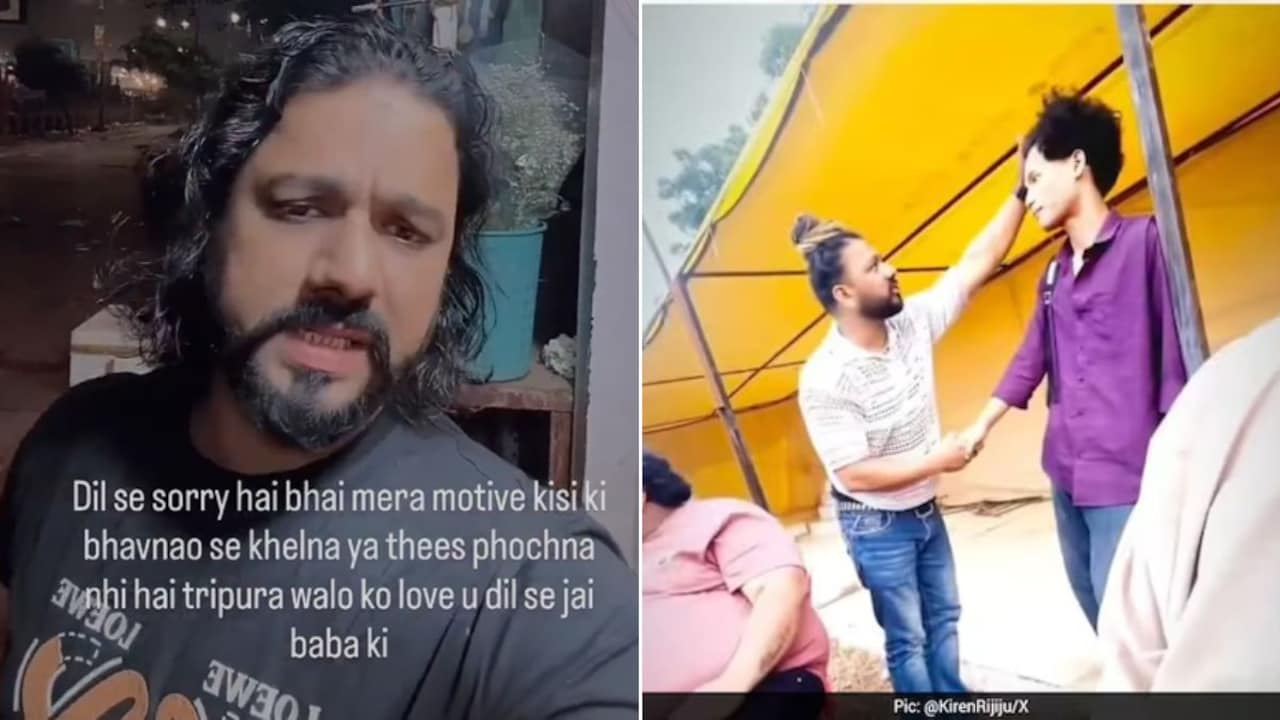
Content creator Shaukeen has issued a tearful apology after facing backlash for a video perceived as racist. He maintains that his actions were not intended to incite hatred.
The Intersection of Content Creation and Accountability
The recent incident involving content creator Shaukeen, who was filmed breaking down on camera while addressing allegations of racism, highlights the precarious nature of digital influence in the modern era. When a creator's content is interpreted as promoting discriminatory rhetoric, the immediate fallout often forces a public reckoning. In this instance, Shaukeen’s emotional response serves as the focal point of a debate regarding intent versus impact in online spaces.
Analyzing Intent in Digital Discourse
At the heart of the controversy is Shaukeen’s assertion that his words and actions were never intended to spread hatred. This defense is a common trope in digital crisis management, where creators often grapple with the gap between their personal intent and the audience's reception. However, the disconnect between a creator's stated goals and the perceived harm caused by their content remains a significant challenge for social media platforms tasked with moderating speech.
The Weight of Public Apologies
Shaukeen’s act of folding his hands while on camera is a culturally significant gesture of contrition. By choosing a visual medium to express his remorse, he attempts to humanize himself to an audience that has already labeled his previous output as racist. This performance of vulnerability is intended to shift the narrative from one of malice to one of misunderstanding, a common strategy used to mitigate brand damage and public outcry.
Broader Implications for Social Media
This event underscores the broader, systemic issues surrounding content moderation and the responsibility of influencers. As creators gain larger platforms, their ability to inadvertently or intentionally perpetuate harmful stereotypes increases. The scrutiny Shaukeen faces reflects a growing public intolerance for discriminatory content, signaling that audiences are increasingly holding creators to higher ethical standards regardless of their claims of innocence.
Historical Context of Online Controversy
Historically, the internet has served as an amplifier for polarizing content, often leading to 'cancel culture' dynamics where creators are scrutinized for past behaviors. Shaukeen’s situation is a contemporary example of how quickly a creator can transition from popularity to infamy. The digital landscape acts as a permanent record, ensuring that once a video is released, the creator loses control over how it is interpreted and shared across global networks.
Future Trends in Creator Accountability
Looking forward, we can expect platforms to implement stricter guidelines and tools to manage inflammatory content. Creators will likely need to adopt more rigorous self-censorship and media literacy training to avoid the pitfalls Shaukeen currently finds himself in. The future of content creation will be defined by a shift toward greater transparency and a deeper understanding of the societal impact of one's digital footprint.
Verification Required?