Shehzad Poonawalla Quits BJP, Cites "Pressing" Financial, Personal Issues
Source Entity
NDTV News Search Records Found 1000
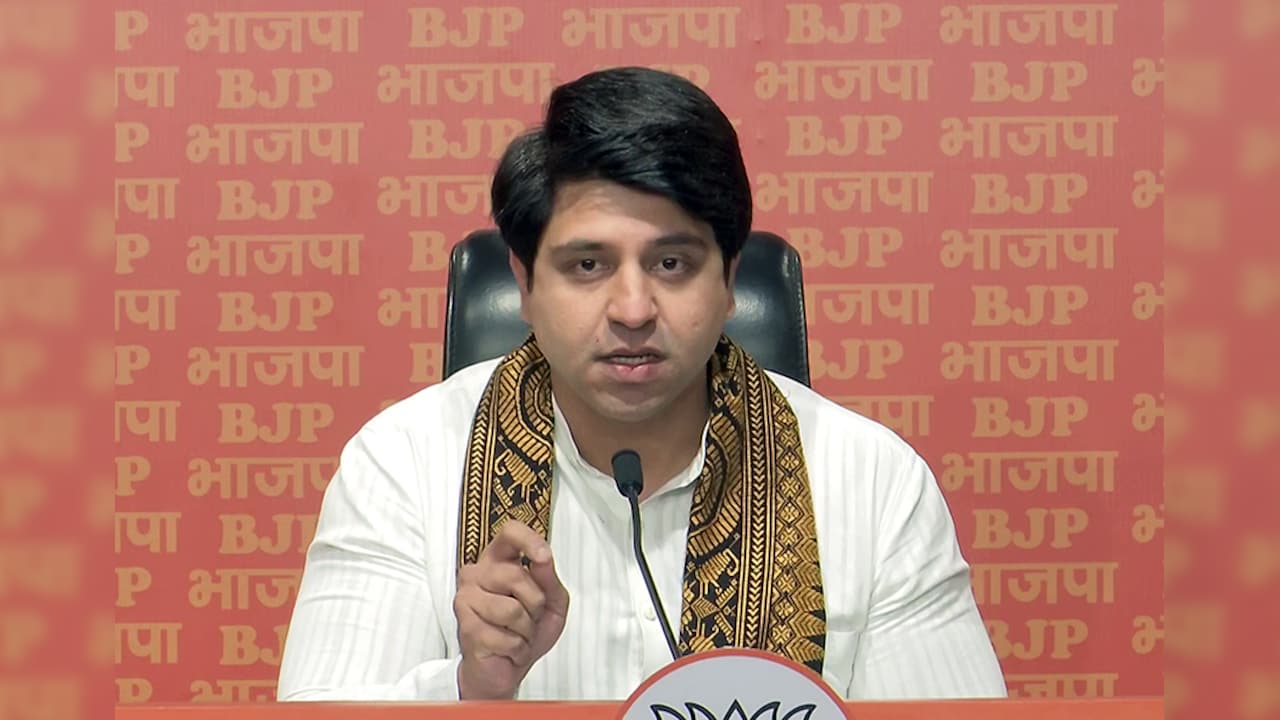
Prominent BJP national spokesperson Shehzad Poonawalla has resubmitted his resignation from all party posts. Citing urgent financial and personal circumstances, he intends to transition into the private sector.
The Departure of a Prominent Political Voice
Shehzad Poonawalla, a highly visible and vocal national spokesperson for the Bharatiya Janata Party (BJP), has formally resubmitted his resignation from all party positions. This development comes after an initial attempt to step down last month was reportedly met with requests from party leadership to reconsider his position. By addressing his latest correspondence to BJP National President Nitin Nabin, Poonawalla has signaled a definitive intent to conclude his tenure as one of the party's primary faces in high-stakes television debates.
Motivations Behind the Resignation
The core of Poonawalla’s decision, as articulated in his public statements on social media and his formal letters, rests on "pressing emergency financial and personal circumstances." While political departures are often scrutinized for underlying ideological shifts or internal party friction, Poonawalla’s focus on the private sector suggests a shift in professional trajectory rather than a political realignment. By explicitly citing these personal exigencies, he aims to manage the narrative surrounding his exit, ensuring that the party’s base and the public understand his departure as a functional necessity rather than a protest.
The Role of the Television Spokesperson
For years, Poonawalla has served as a central figure in the BJP’s media strategy. As a frequent participant in prime-time news debates, he has been tasked with articulating the government's stance on complex policy issues, defending the party against opposition critiques, and maintaining the BJP's narrative dominance in the media space. His resignation creates a strategic void in the party’s communications apparatus, as finding a replacement with his specific skill set—balancing aggressive debate tactics with detailed policy knowledge—remains a significant challenge for any political organization.
Implications of the 'Double Down' Approach
The fact that Poonawalla had to resubmit his resignation indicates that the BJP leadership highly valued his contributions, given that his initial attempt to quit was rejected. This dynamic highlights the importance of the spokesperson role in modern Indian politics, where media presence is synonymous with political influence. By doubling down on his request, Poonawalla is effectively setting a boundary regarding his future commitment, moving away from the high-pressure environment of political advocacy to pursue opportunities in the private sector.
Future Outlook and Political Legacy
Moving forward, the focus will shift to how the BJP fills the vacuum left by one of its most recognizable television faces. While Poonawalla has expressed a desire to continue supporting the party's values in whatever capacity he can, his primary focus is clearly pivoting away from active, front-line political management. This transition underscores a broader trend where political professionals often oscillate between public service and the private sector. The legacy of his tenure will likely be defined by his ability to maintain a consistent, combative, and articulate defense of the BJP's policies throughout his years of service.
Summary of Transition
In conclusion, Shehzad Poonawalla’s departure marks a significant moment for the BJP’s media operations. His transparent communication regarding personal financial and professional reasons provides a rare glimpse into the personal sacrifices made by those at the forefront of political discourse. As he prepares to join the private sector, the party must now navigate the challenge of sustaining its media momentum without one of its most reliable and experienced voices.
Multiple Citing Sources
Verification Required?