The Wrong Truck at the Dock Can Create Shipper Liability
Source Entity
Yahoo Finance
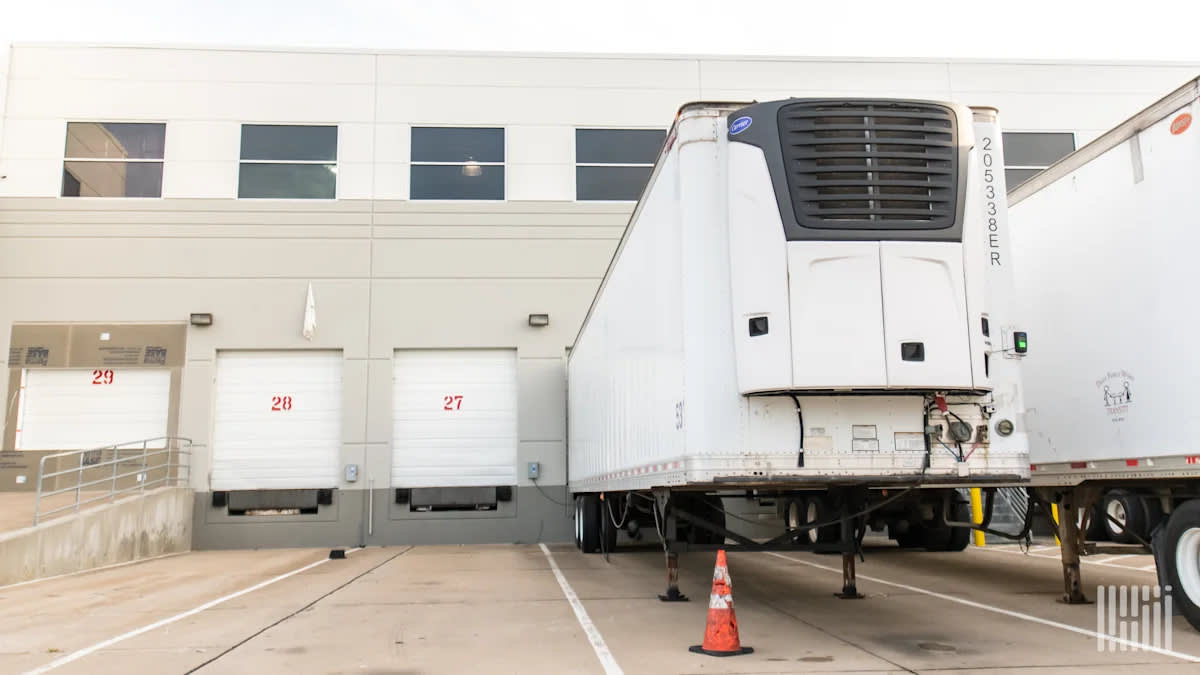
Recent legal precedents, including a major verdict against C.H. Robinson, highlight the growing liability risks shippers face when failing to properly verify motor carriers. Courts are increasingly scrutinizing the reasonableness of a shipper's decision to release freight to unverified entities.
The Evolving Landscape of Shipper Liability
The transportation and logistics industry is currently grappling with a shift in legal accountability, particularly concerning the relationship between shippers, brokers, and motor carriers. Recent legal developments, most notably the significant 'nuclear verdict' against C.H. Robinson, have underscored the precarious nature of freight management. At the heart of this issue is the legal theory that shippers may be held liable if they release goods to a transportation provider without performing adequate due diligence, even if the carrier’s safety credentials were technically satisfactory according to federal standards.
The Failure of 'Satisfactory' Ratings as a Shield
Historically, the brokerage industry has relied heavily on Federal Motor Carrier Safety Administration (FMCSA) ratings to vet potential carriers. The prevailing argument has been that if a carrier maintains a 'satisfactory' classification, the broker or shipper has fulfilled their duty of care. However, the case involving C.H. Robinson and the carrier Lupus Superior demonstrates that juries are no longer accepting this as a complete defense. Despite the carrier holding a satisfactory FMCSA grade, the jury’s decision suggests that relying solely on federal classifications may be insufficient in the face of catastrophic accidents.
The 'Reasonable' Standard at the Dock
Beyond broker-level vetting, the liability trap extends to the physical dock. The legal standard currently being applied focuses on whether a shipper acted reasonably given the information visible at the time of loading. When a truck arrives at a facility, the shipper is expected to verify that the arriving transportation provider matches the approved assignment. If a shipper proceeds to release freight to an unverified driver or vehicle, they may be found liable for negligence. The courts are increasingly viewing the failure to detect obvious discrepancies as a breach of duty, rather than demanding the impossible task of identifying sophisticated fraud.
Balancing Efficiency and Due Diligence
For shippers and brokers, this creates a significant operational challenge. The industry has long operated under the assumption that vetting every carrier with the depth of a federal agency is an impossible task. Yet, the current legal climate demands a higher threshold of scrutiny. Shippers must now weigh the pressure of logistical speed against the risk of massive litigation. The 'nuclear verdict' trend serves as a warning that the courts are shifting the burden of safety verification squarely onto those who control the possession of the goods.
Future Trends in Freight Litigation
Moving forward, we can expect to see a hardening of industry standards regarding carrier verification. Organizations will likely need to implement more robust, real-time verification processes at the point of pickup to mitigate the risk of litigation. As plaintiffs' attorneys continue to challenge the adequacy of FMCSA-based vetting, the industry must move toward a more proactive model of risk management. The era where a 'satisfactory' rating acts as an impenetrable defense is clearly coming to an end, necessitating a new strategic approach to supply chain security.