Why India’s answer to China’s mega dam is facing resistance in Siang valley
Source Entity
PRABIN KALITA
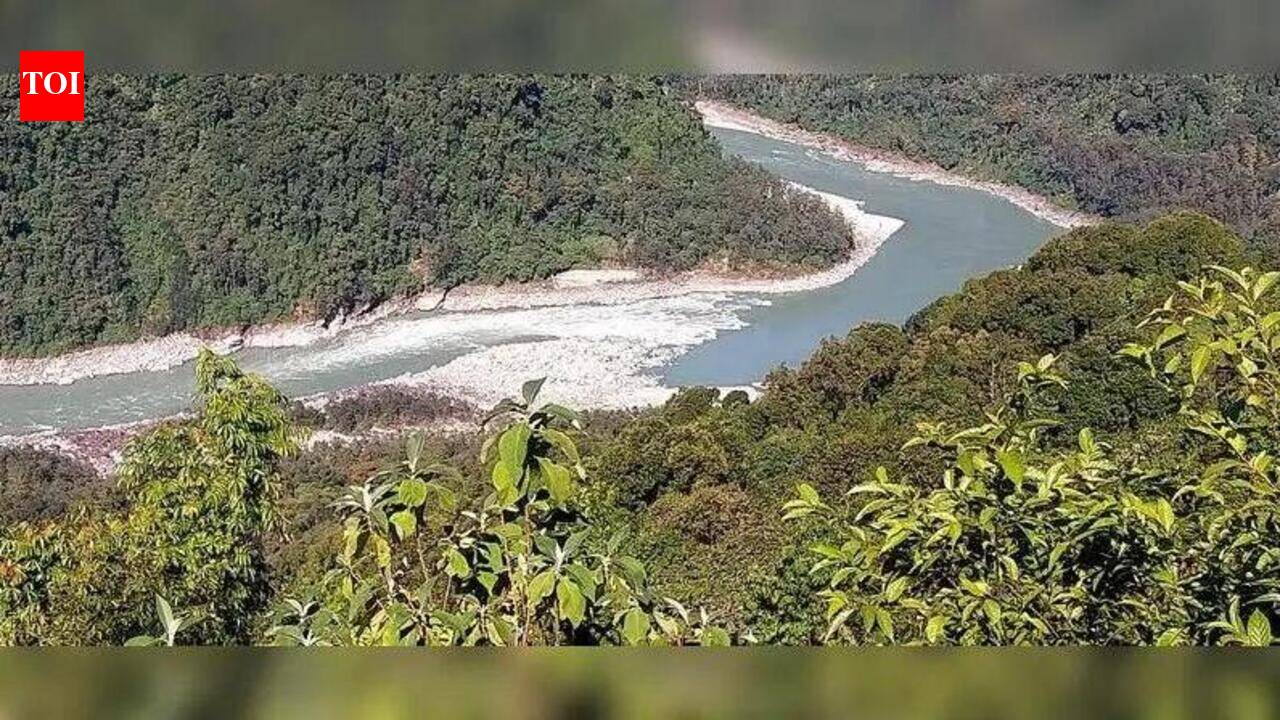
India's proposed mega dam project on the Siang river faces significant local opposition in Arunachal Pradesh. Concerns center on environmental impacts, displacement, and the potential for ecological disaster in the sensitive Himalayan region.
The Siang River Dam Controversy: A Geopolitical and Environmental Crossroads
The Strategic Imperative
The Indian government has proposed a massive hydroelectric project on the Siang River in Arunachal Pradesh, a move widely interpreted by analysts as a strategic countermeasure to China's extensive dam-building activities on the upper reaches of the Yarlung Tsangpo. By asserting control over the water flow and establishing significant infrastructure in this sensitive border region, New Delhi aims to bolster its territorial claims and energy security. The project is seen as a critical component of India’s broader infrastructure push to integrate the Northeast into the national economic framework while providing a buffer against downstream diversion tactics by neighboring powers.
Local Resistance and Environmental Anxiety
Despite the national strategic narrative, the project has ignited fierce resistance within the Siang valley. Local communities, deeply reliant on the river for their livelihoods and cultural identity, have voiced profound fears regarding the environmental degradation such a massive structure would entail. The region, known for its high seismic vulnerability, poses a significant risk for large-scale engineering projects. Residents worry that the dam could alter the river's natural course, threaten biodiversity, and potentially trigger catastrophic flooding or landslides, turning their ancestral lands into sites of ecological instability.
The Stance of the Arunachal Pradesh Government
The local government in Arunachal Pradesh finds itself in a precarious position, balancing the developmental promises of the Centre with the vocal dissent of its constituents. While the state administration recognizes the potential for economic growth and infrastructure development brought by such large-scale investments, it is simultaneously under intense pressure to address the concerns of local stakeholders. This tension highlights the ongoing struggle to reconcile top-down national security objectives with the grassroots demand for sustainable, community-centric development.
Analyzing the Pre-feasibility Reports
The pre-feasibility reports for the Siang project have become a flashpoint for debate. Critics argue that these early assessments often fail to fully capture the complexity of the local ecosystem or the long-term socio-economic impact on indigenous populations. These documents, while providing the technical foundation for the Centre’s proposal, are viewed with skepticism by protestors who demand greater transparency and a more rigorous, independent review of the project’s safety and sustainability metrics. The lack of public trust in these reports reflects a broader communication gap between state agencies and the communities they govern.
Future Outlook and Implications
As India navigates its path toward becoming a regional power, the Siang river project stands as a litmus test for the government's ability to manage complex internal dissent. The resolution of this conflict will likely set a precedent for future infrastructure projects in the Himalayan belt. If the government fails to address the legitimate grievances of the valley's inhabitants, the project could become a prolonged source of social unrest, undermining the very stability it seeks to secure. Moving forward, a more inclusive approach that prioritizes environmental safety and local consensus will be essential to balancing national strategic interests with the rights and welfare of the people of Arunachal Pradesh.