‘Every cancer is different’: Manas AI's CEO Siddhartha Mukherjee on the search for a cure |HTLS 2026
Source Entity
Latest News: Todays Latest News Headlines from India & World | Hindustan Times
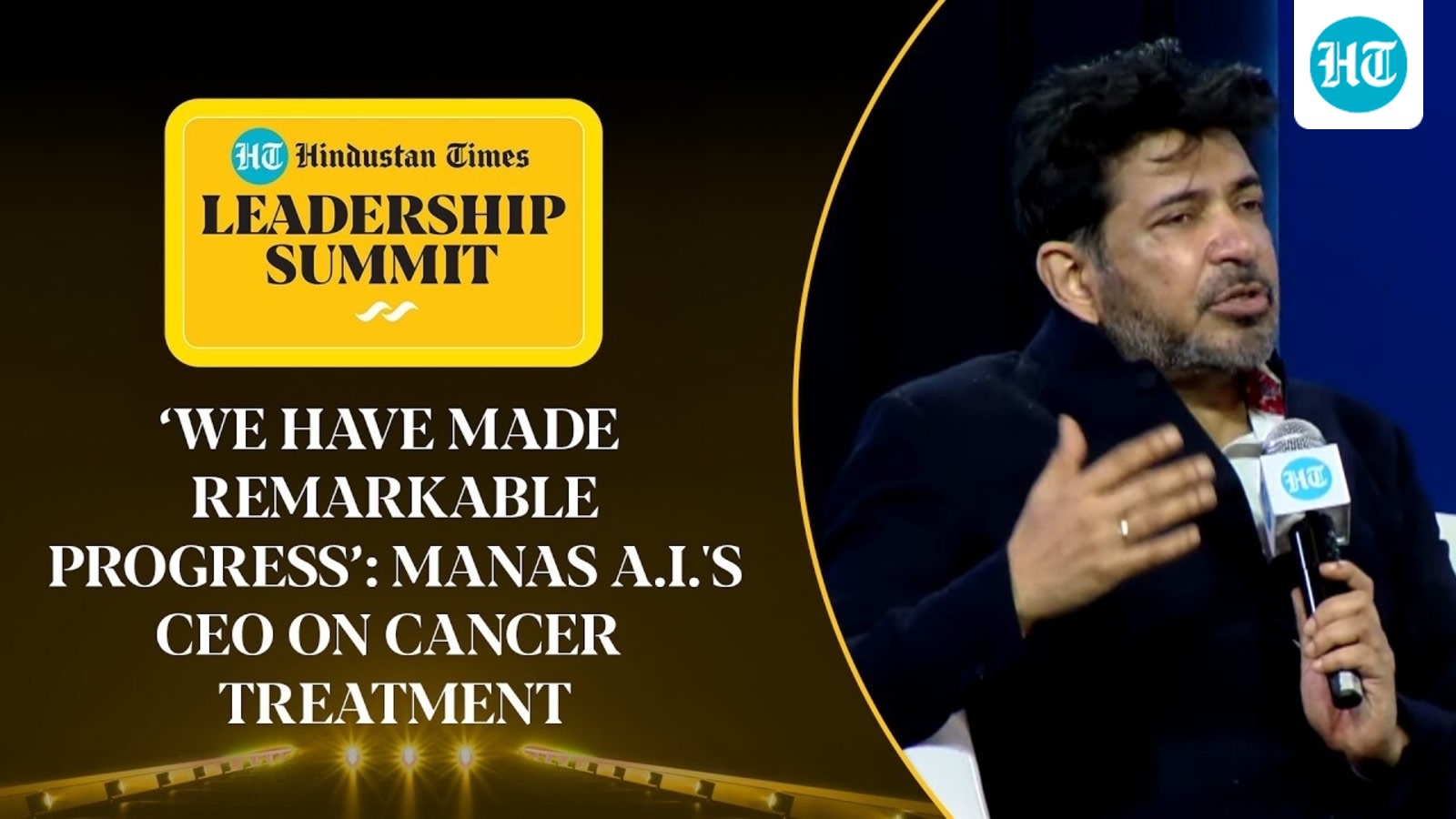
Manas AI CEO Siddhartha Mukherjee emphasizes that cancer's biological diversity makes a universal cure unlikely, despite breakthroughs in AI-driven drug discovery. He highlights the success of KRAS-targeting drugs while warning of the risks of bias in medical AI systems.
The Complexity of Cancer and the Limits of a Universal Cure
At the Hindustan Times Leadership Summit 2026, Siddhartha Mukherjee, CEO of Manas AI, provided a sobering yet optimistic outlook on the future of oncology. Addressing the intersection of immunotherapy, genetic sequencing, and artificial intelligence, Mukherjee emphasized that the dream of a 'universal cure' for cancer remains elusive. His central thesis rests on the biological reality that cancer is not a monolithic entity; rather, it is a vast, heterogeneous collection of diseases. Because every cancer type—and indeed every patient’s tumor—responds differently to treatment, the pursuit of a single, all-encompassing therapeutic solution is fundamentally misguided.
Progress and Persistent Challenges in Oncology
While cautioning against oversimplified narratives, Mukherjee underscored the significant strides made in treating specific malignancies. Notable successes have been observed in breast cancer, leukaemias, and lymphomas, where modern interventions have drastically improved patient outcomes. However, the medical community continues to face formidable hurdles with cancers of the pancreas, stomach, and intestinal tract. These remain difficult to treat due to their complex biological architecture and often late-stage diagnosis, necessitating more sophisticated approaches to early detection and targeted intervention.
The Breakthrough of KRAS-Targeting Therapies
One of the most promising developments highlighted by Mukherjee is the emergence of KRAS-targeting drugs. This innovation represents a major shift in how we approach previously 'undruggable' mutations. The development process, spanning approximately a decade, illustrates the immense time and resource commitment required for modern drug discovery. By targeting the KRAS mutation, researchers have opened a new pathway for treating pancreatic cancer and other aggressive tumors, proving that precision medicine, fueled by deep scientific research, is the most viable path forward.
The Evolution of Artificial Intelligence in Medicine
Beyond oncology, Mukherjee contextualized the rise of AI by tracing its history back to IBM's Deep Blue, which famously defeated Garry Kasparov in 1997. He distinguished between symbolic AI and neural learning, noting that human cognition is not purely symbolic but relies heavily on neural processes. This distinction is critical for medical AI; if machines are to assist in drug discovery or diagnosis, they must mimic the nuanced, adaptive learning patterns of the human brain rather than relying solely on rigid, symbolic logic.
Mitigating Bias and Accelerating Clinical Trials
Despite the transformative potential of AI, Mukherjee issued a stern warning regarding the 'Bibo' effect—'bias in, bias out.' In medical contexts, biased data can lead to dangerous clinical outcomes, undermining the very technology intended to save lives. To counter this, he advocated for the continued use of randomized, blinded clinical trials, which serve as the gold standard for objectivity. Furthermore, he proposed that integrating synthetic controls—utilizing historical or simulated data—could significantly accelerate the timeline of clinical trials, provided the underlying data sets are meticulously audited for bias.
Conclusion: The Future of Human-Machine Collaboration
Ultimately, Mukherjee’s insights suggest that the future of medicine lies in a hybrid model. AI serves as a powerful catalyst for drug discovery and patient-specific analysis, yet it requires human oversight to navigate the complexities of bias and biological variation. By acknowledging the limitations of universal cures and focusing on the rigorous, data-driven evolution of precision medicine, the scientific community can continue to make incremental, life-saving progress against the most challenging forms of cancer.
Multiple Citing Sources
Verification Required?