At 91, Ann Esselstyn breaks her own dead hang record by 3 minutes: Why the exercise matters
Source Entity
The Indian Express
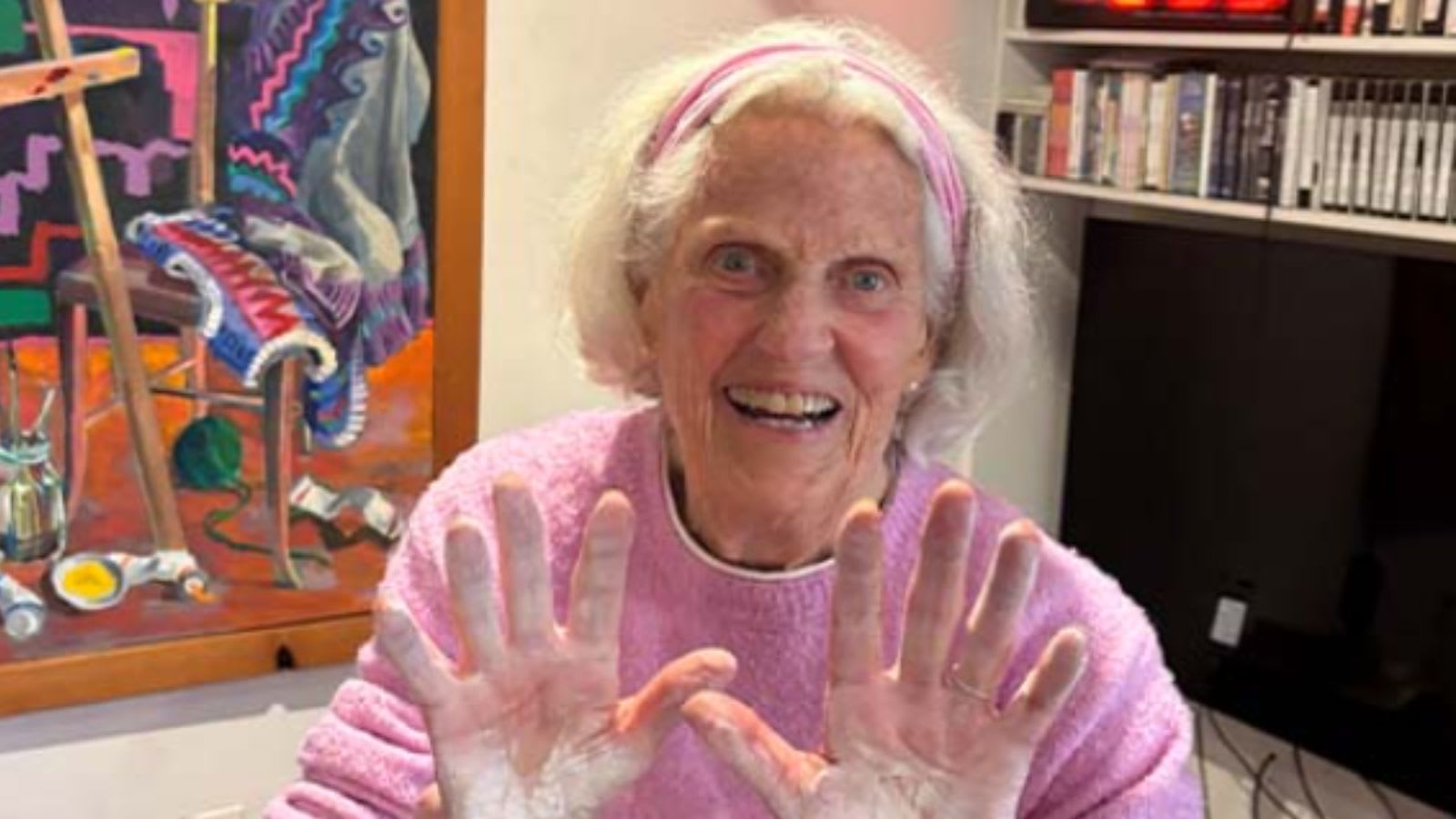
At 91, Ann Esselstyn has set a new personal record for the dead hang exercise, emphasizing the importance of grip strength for longevity. Her achievement highlights the functional benefits of this movement for aging populations.
A Remarkable Feat of Longevity
At 91 years old, Ann Esselstyn has captured public attention by shattering her own dead hang world record. By extending her previous time by an impressive 3 minutes and 43 seconds—a performance 51 seconds longer than her record set at age 90—Esselstyn has demonstrated that physical capability can continue to evolve well into one's tenth decade. This achievement, widely circulated via a viral Instagram post by Go Plant Strong, serves as a powerful testament to the efficacy of consistent, functional strength training.
The Significance of Grip Strength
The core of the discussion surrounding Esselstyn’s achievement is the physiological importance of grip strength. As noted in the Go Plant Strong post, the dead hang is a direct challenge to the endurance and strength of the hands and forearms. In the medical and fitness communities, grip strength is frequently utilized as a reliable biomarker for overall physical function and systemic health as individuals age. By focusing on this specific metric, Esselstyn is not merely setting records; she is actively maintaining the functional independence required for daily life.
Enhancing Overhead Mobility
Beyond simple muscular endurance, the dead hang is a critical movement for maintaining skeletal and joint health. The exercise forces the shoulders through an overhead range of motion, a plane of movement that often becomes restricted as people age. By incorporating dead hangs, individuals can combat the stiffness associated with sedentary behavior and the natural aging process, promoting better posture and reduced risk of shoulder-related injuries.
Longevity and Functional Fitness
Esselstyn’s routine highlights a growing trend in longevity science: the shift toward functional movements that mimic natural human capabilities. Unlike isolated weightlifting, the dead hang utilizes body weight to engage multiple muscle groups simultaneously, including the lats, shoulders, and core. This holistic approach is essential for maintaining the physical robustness necessary to navigate the world safely and effectively at an advanced age.
Setting a New Standard for Aging
Ann Esselstyn’s record-breaking performance challenges societal stereotypes regarding aging. Her ability to outperform her younger self by nearly a minute suggests that with proper training and dedication, the decline often associated with aging is not necessarily a fixed trajectory. Her story encourages older adults to explore strength-based exercises that prioritize functional longevity, provided they are approached with appropriate caution and professional guidance.
A Note of Caution and Conclusion
While the benefits of the dead hang are well-documented in the context of physical therapy and fitness, it is vital to approach such exercises responsibly. As stated in the provided documentation, readers should always consult with a health practitioner before initiating any new physical routine. Esselstyn’s journey serves as both an inspiration and a reminder that while the human body is capable of extraordinary feats, the path to longevity is built upon the foundation of safety, consistency, and expert-backed practice.