Nearly 100 fall ill after eating pani puri, tikki from street vendor in UP villages
Source Entity
PATHIKRIT CHAKRABORTY
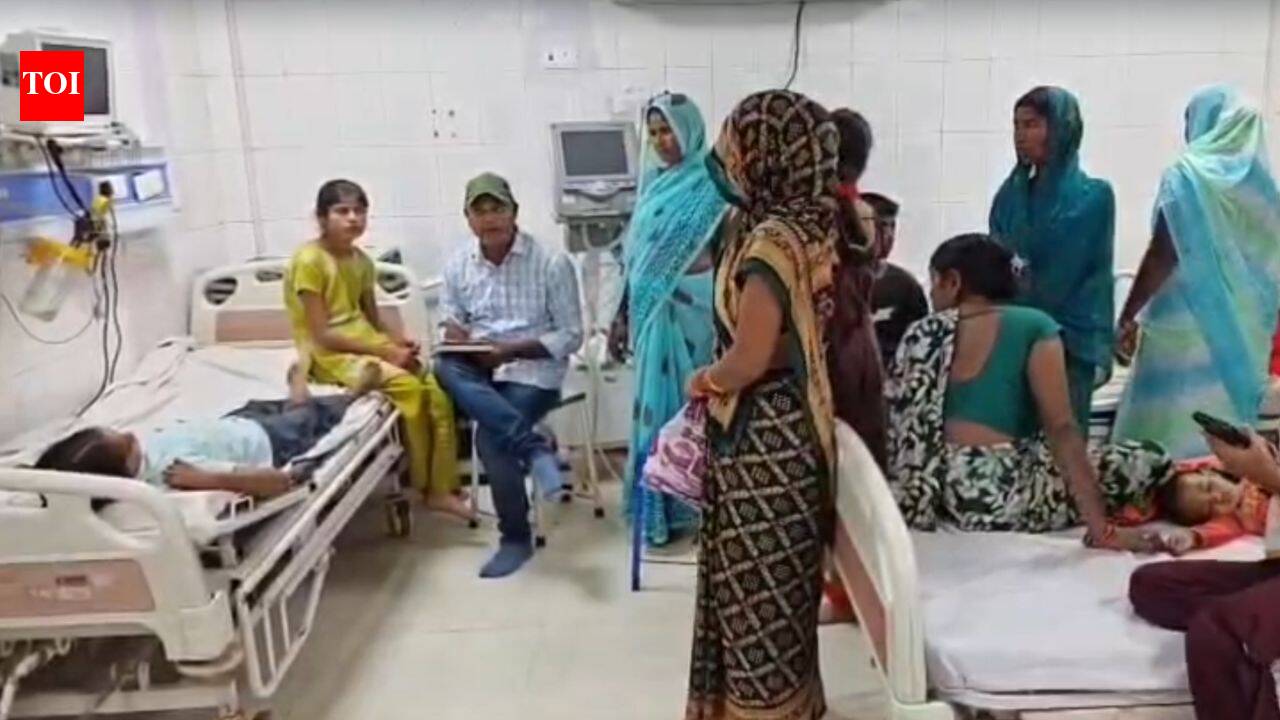
Nearly 100 residents in Siddharthnagar, Uttar Pradesh, were hospitalized with food poisoning after consuming street food. Local health authorities are investigating the source of contamination while providing medical care to the affected individuals.
Food Safety Crisis in Siddharthnagar
The Incident Overview
In a concerning public health development, nearly 100 residents across the villages of Pedari and Kalnakhor in the Siddharthnagar district of Uttar Pradesh fell ill following the consumption of street food. The victims, which included a significant number of women, children, and elderly individuals, reported experiencing severe symptoms including vomiting and diarrhea shortly after eating pani puri and tikki. The rapid onset of these symptoms triggered widespread alarm within the local community, necessitating an emergency response from regional healthcare providers.
Medical Response and Patient Care
As the health of the affected villagers deteriorated, they were transported to the Madhav Prasad Tripathi Medical College for urgent treatment. The influx of nearly 100 patients placed an immediate strain on the medical facility, highlighting the risks associated with large-scale foodborne illness outbreaks in rural settings. Medical teams from the local health department were promptly mobilized to manage the surge, monitor the patients' progress, and provide necessary medical interventions to stabilize those suffering from severe dehydration and other complications.
Investigating the Source of Contamination
Authorities have launched an investigation into the incident, focusing specifically on the street vendor responsible for the food. Preliminary findings suggest that the contamination likely originated from the leftover food ingredients used in the preparation of the pani puri and tikki. Food safety in the informal street food sector remains a critical challenge, as vendors often operate without standardized hygiene protocols or cold-chain storage, which are essential for preventing the rapid proliferation of pathogens in perishable ingredients.
Broader Implications for Street Food Safety
This incident serves as a stark reminder of the regulatory challenges inherent in the unorganized street food sector. In many rural and semi-urban areas of India, street vendors provide essential and affordable food options, yet they often lack access to clean water, proper waste disposal, and sanitary storage facilities. The Siddharthnagar event underscores the urgent need for local administrations to implement stricter monitoring and education programs for street food operators to prevent future outbreaks that threaten the health of vulnerable populations.
Future Trends and Preventive Measures
Moving forward, the incident is expected to prompt a review of food safety surveillance in Siddharthnagar. Experts suggest that improving hygiene standards, regular health check-ups for vendors, and public awareness campaigns about food safety practices are vital steps in mitigating these risks. As the investigation concludes, the findings will likely inform future policy decisions regarding the licensing and monitoring of mobile food vendors, aiming to balance the economic necessity of street vending with the fundamental right to safe, uncontaminated food.