Sikkim tunnel collapse: 20 bodies recovered from site, 11 from north Bengal
Source Entity
PINAK PRIYA BHATTACHARYA AND ROSHAN GUPTA
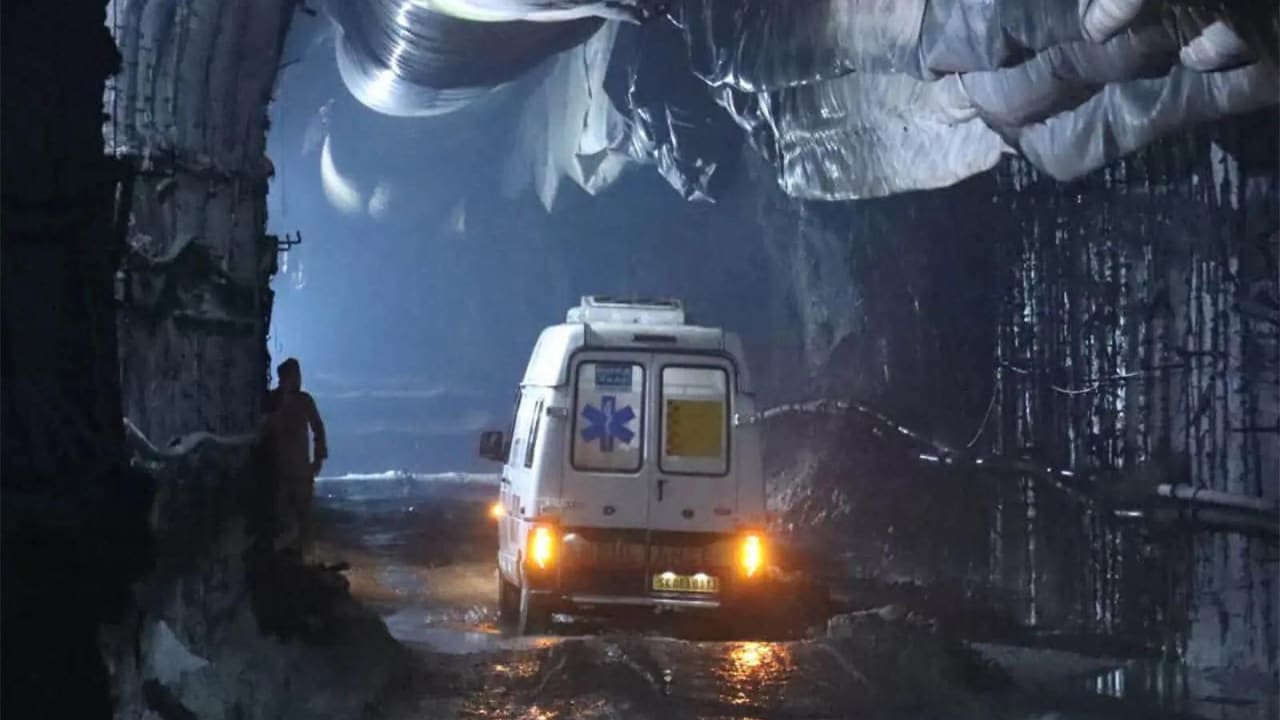
A landslide at the Samardung tunnel in Sikkim's Namchi district has left several workers trapped, resulting in at least seven confirmed fatalities. Rescue efforts by the NDRF and SDRF are currently underway, complicated by a suspected gas leak triggered by the geological disturbance.
Tragedy at Samardung: Tunnel Collapse in Sikkim
A devastating incident has unfolded in the Namchi district of Sikkim, where a massive landslide struck the Samardung tunnel, a critical component of the Teesta Stage VI hydroelectric power project managed by the National Hydroelectric Power Corporation (NHPC). The collapse, which occurred on Monday afternoon, has resulted in a significant loss of life, with authorities confirming at least seven fatalities, while many others remain trapped beneath the debris.
The Mechanics of the Disaster
Initial reports indicate that approximately 43 workers were present within the under-construction tunnel when the landslide struck. While 16 individuals managed to escape the immediate impact zone, the remaining workers were cut off as the entrance was completely obstructed. The complexity of the rescue operation is exacerbated by a suspected gas leak, which officials believe is emanating from underground strata or rock formations disturbed by the shifting earth. This hazardous environment has required rescue teams, including the National Disaster Response Force (NDRF) and State Disaster Response Force (SDRF), to utilize specialized equipment, including gas masks, to attempt entry.
Challenges in Rescue Operations
District Collector Anupa Tamling has noted that the situation remains fluid and highly volatile. Three consecutive rescue attempts have reportedly failed, underscoring the extreme instability of the site. The presence of toxic gases, combined with the structural integrity of the tunnel being compromised by the landslide, creates a "double-threat" environment. Emergency services, including fire tenders and ambulances, remain on high alert to provide immediate medical assistance should survivors be extracted from the wreckage.
Broader Implications for Infrastructure
This event highlights the inherent risks associated with large-scale infrastructure development in the geologically fragile terrain of the Himalayas. The Teesta Stage VI project, while vital for regional hydroelectric power generation, serves as a grim reminder of how natural disasters can quickly overwhelm construction safety protocols. The incident raises significant questions regarding seismic and geological surveying in mountainous regions, where sudden landslides are frequent, particularly during active construction phases that alter local topography.
Future Outlook and Safety Trends
Moving forward, this tragedy will likely trigger a comprehensive audit of safety standards for tunnel construction in high-altitude zones. The combination of structural failure and secondary environmental hazards, such as gas emissions from rock disturbances, necessitates a shift toward more rigorous real-time monitoring of underground strata. As rescue efforts continue, the focus will inevitably shift toward determining the exact cause of the tunnel's vulnerability and ensuring that future projects prioritize the lives of laborers through enhanced disaster mitigation and rapid-response infrastructure.
Multiple Citing Sources