1 Killed, Several Trapped In Sikkim Tunnel After Landslide Triggers Gas Leak
Source Entity
NDTV News Search Records Found 1000
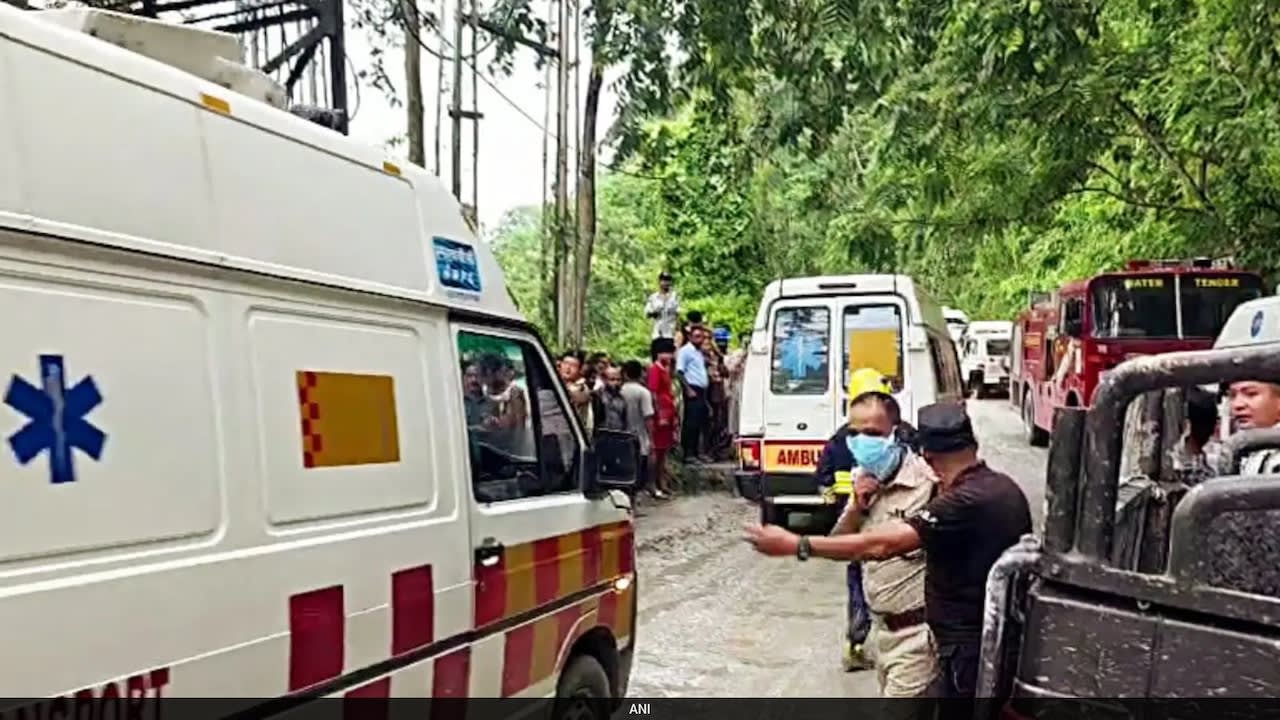
A landslide at the Samardung tunnel in Sikkim's Namchi district has left several workers trapped, resulting in seven confirmed fatalities. Rescue operations are severely hampered by a suspected gas leak and unstable terrain at the Teesta Stage VI project site.
Tragedy at Samardung: Sikkim Tunnel Collapse Analysis
The Incident Overview
On Monday afternoon, a devastating landslide struck an under-construction tunnel at the Samardung site in Sikkim’s Namchi district. The incident, part of the National Hydroelectric Power Corporation’s (NHPC) Teesta Stage VI hydroelectric project, has resulted in a critical emergency situation. While initial reports indicated varying numbers of trapped individuals, official updates confirm that at least 27 workers were inside the structure when the landslide occurred. Tragically, the district administration has reported at least seven fatalities, with rescue teams working urgently to reach others still feared trapped.
Complex Rescue Challenges
The rescue operation is significantly complicated by environmental hazards triggered by the collapse. Beyond the physical blockade of the tunnel entrance, officials have identified a suspected gas leak emanating from the disturbed rock formations and underground strata. This development has necessitated the use of specialized breathing apparatus and gas masks by personnel from the National Disaster Response Force (NDRF) and State Disaster Response Force (SDRF). The presence of potentially toxic gases, combined with the structural instability of the tunnel, has caused multiple initial rescue attempts to falter.
Infrastructure and Geological Context
The Teesta Stage VI project is a major hydroelectric initiative in the Himalayan region, a zone notoriously prone to seismic activity and landslides. Construction in such geologically sensitive areas involves navigating complex rock strata that can be easily compromised by heavy rains or seismic shifts. The Samardung tunnel collapse serves as a stark reminder of the inherent risks involved in large-scale infrastructure development in high-altitude, mountainous terrains where geological mapping can be unpredictable.
Broader Implications for Safety and Policy
This tragedy highlights the urgent need for stringent safety protocols in tunneling projects. The fact that dozens of workers were inside the tunnel during the collapse phase raises significant questions regarding site monitoring and emergency evacuation procedures. As rescue efforts continue, there will likely be a government-led investigation into whether the geological survey and hazard mitigation strategies at the Teesta Stage VI site were sufficient to withstand the environmental pressures of the region.
Moving Forward: Recovery and Investigation
As of the latest reports, ambulances and fire tenders remain stationed at the site to provide immediate medical intervention for survivors. The focus remains heavily on the extraction of those still trapped, although the precarious nature of the site makes the timeline for a successful conclusion uncertain. In the aftermath, the incident will undoubtedly lead to a broader review of labor safety standards in India’s hydroelectric infrastructure sector, with a focus on preventing similar disasters in the fragile Himalayan ecosystem.
Multiple Citing Sources
Verification Required?