Gilgamesh by Simon Armitage review – an ancient epic is brilliantly translated
Source Entity
Hacker News
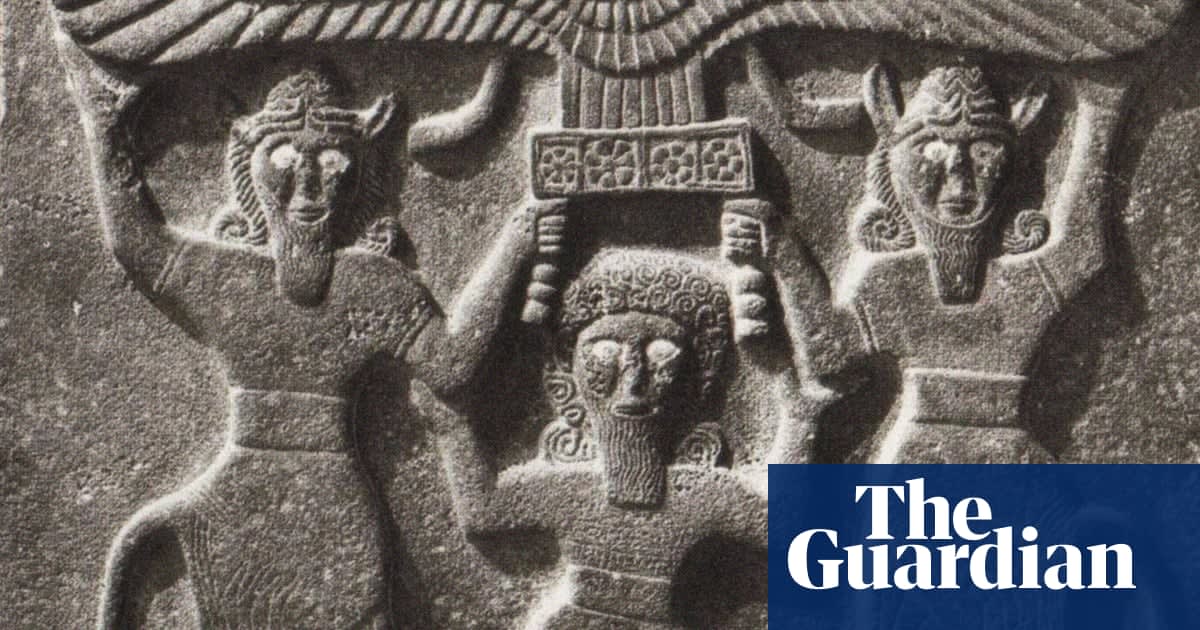
Poet Laureate Simon Armitage has released a new translation of the ancient epic 'Gilgamesh'. The work explores themes of royal misconduct, offering a thematic contrast to his official duties for the British monarchy.
A Masterful Translation of Ancient Myth
Simon Armitage, the current Poet Laureate of the United Kingdom, has recently garnered critical acclaim for his latest literary undertaking: a fresh translation of Gilgamesh. This ancient epic, which originated in Mesopotamia—modern-day Iraq—at least 4,000 years ago, remains one of the oldest known works of literature in human history. By applying his modern poetic sensibilities to such a foundational text, Armitage bridges the vast chasm between ancient Sumerian storytelling and contemporary verse.
The Role of the Poet Laureate
To understand the significance of this project, one must consider the unique position Armitage holds. The role of Poet Laureate is a storied British tradition, currently compensated with a modest salary of £5,750 per annum and the ceremonial gift of a barrel of sherry. While the position carries no strictly defined statutory duties, there is a deep-seated expectation that the incumbent will serve as a national voice for public and royal occasions. Armitage has navigated this expectation with professional grace, composing works such as Floral Tribute following the death of Queen Elizabeth II and a commemorative piece for the 2023 coronation of King Charles III and Queen Camilla.
Navigating the Boundaries of Royal Verse
There is an inherent tension in the position of the Laureate when it comes to addressing the monarchy. Historically, poets in this role have generally avoided criticizing the crown, a tradition stretching back to the first official Laureate, John Dryden. As noted in the context of literary history, it was not the Laureates who documented the scandalous private habits of monarchs like Charles II, but rather satirists such as the Earl of Rochester. Armitage operates within these same traditional constraints, choosing to maintain a respectful distance from royal controversy in his official capacity.
Thematic Depth in Gilgamesh
However, Armitage’s translation of Gilgamesh offers a fascinating subversion of this restraint. While he maintains decorum in his official duties, the epic poem itself provides a profound meditation on the nature of power, mortality, and the failings of leadership. In Gilgamesh, the protagonist—a king—is often depicted as a flawed figure whose actions have significant consequences for his subjects. By translating this work, Armitage engages with the theme of 'royalty’s misdeeds' in a way that is intellectually stimulating without violating the unspoken boundaries of his official office.
Bridging Millennia
The decision to return to the Mesopotamian source material is a testament to the enduring relevance of the Gilgamesh narrative. By translating a story that has survived for four millennia, Armitage proves that the core human anxieties regarding death, legacy, and the abuse of authority remain unchanged. This work serves as a reminder that even the most ancient texts can offer a mirror to modern governance and the complexities of power. Through this translation, Armitage has successfully balanced the weight of his contemporary public role with the timeless demands of high literature, ensuring that the epic remains accessible to a modern audience while retaining its original, visceral power.