Six fluffy barn owlets bring good news to farm hit by suspected arson attacks
Source Entity
TOI WORLD DESK
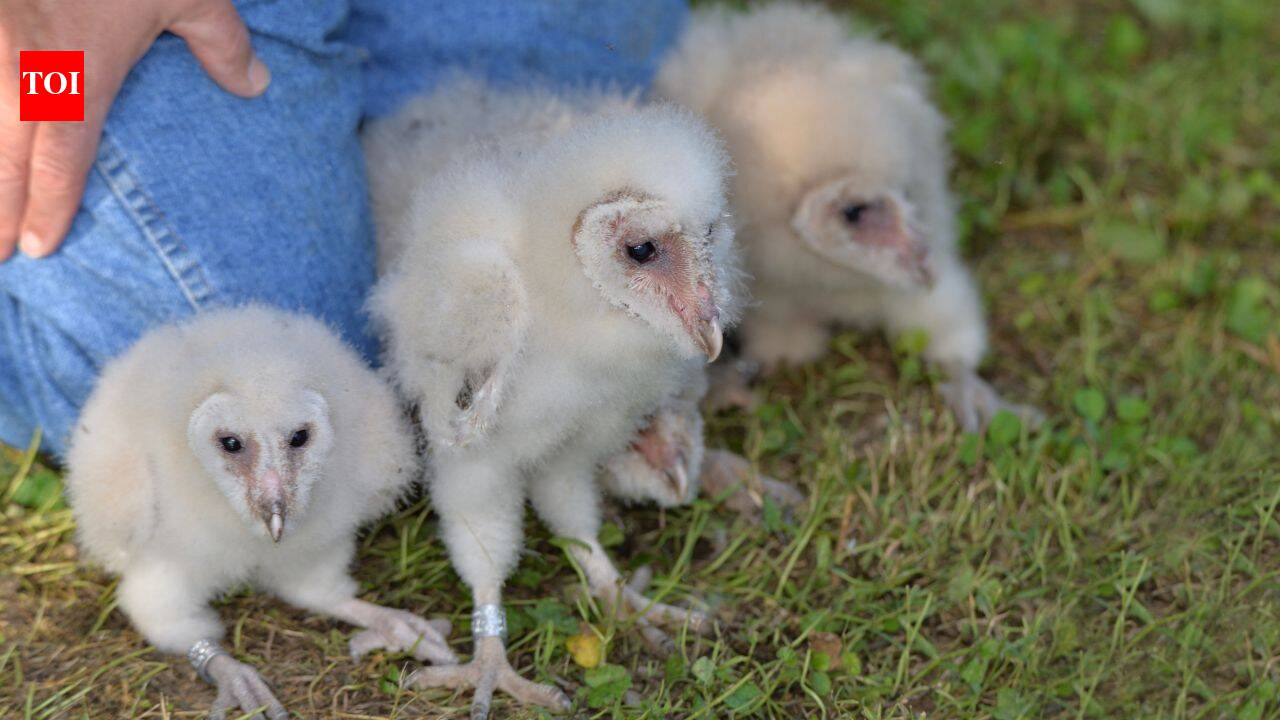
A Cambridgeshire farm has received a morale boost with the discovery of six barn owlets following a summer of suspected arson. The successful nesting highlights the positive impact of local conservation efforts on wildlife recovery.
A Beacon of Hope Amidst Adversity
In a heartwarming turn of events, a Cambridgeshire farm has found a glimmer of optimism following a period of profound distress. Moor Farm, located near Peterborough, has become the unexpected sanctuary for a brood of six barn owlets. This discovery, occurring after the farm suffered through a series of suspected arson attacks earlier this year, serves as a poignant reminder of nature's resilience and the importance of localized environmental stewardship.
The Significance of the Discovery
The arrival of these six youngsters—three males and three females—is particularly noteworthy given the farm's recent history. For owner Judith Jacobs, the presence of these birds, estimated to be between 40 and 50 days old, marks a sharp contrast to the previous year, during which no owlets were recorded. The successful nesting at Moor Farm underscores the effectiveness of habitat management and conservation initiatives, which are essential for the survival of barn owls in agricultural landscapes.
Conservation Efforts in Action
The process of ringing these owlets, conducted by volunteers such as Simon Dudhill, is a vital component of ongoing research and population monitoring. By tracking these birds, conservationists can better understand survival rates and dispersal patterns, which is critical for the long-term protection of the species. As Dudhill noted, finding a brood of six is an exceptionally positive outcome for the current year, reflecting a successful breeding season that defies the challenges faced by the local environment.
Resilience and Restoration
The narrative of Moor Farm is one of dual recovery: the restoration of hope for a landowner reeling from criminal damage and the ecological recovery of a species that relies on human-managed land. The suspected arson attacks had undoubtedly cast a shadow over the farm's operations and sense of security. However, the emergence of these owlets provides a tangible, life-affirming shift in focus, highlighting the farm's role as a haven for biodiversity even in the face of human-inflicted adversity.
Broader Environmental Implications
This event highlights the symbiotic relationship between sustainable farming and wildlife. By encouraging wildlife, as Judith Jacobs has done, land managers provide essential nesting sites and hunting grounds that are often lost to intensive development. The success at Moor Farm serves as a model for how small-scale, proactive conservation can yield significant results, proving that even in environments prone to external shocks, nature can thrive if given the necessary support and protection.
Conclusion: A Future for Local Wildlife
The story of the six barn owlets at Moor Farm is more than just a local interest piece; it is a testament to the power of perseverance. As these birds grow and eventually fledge, they will contribute to the broader ecosystem of Cambridgeshire, representing a successful cycle of life that persists despite the difficulties encountered by those who manage the land. This development provides a much-needed morale boost and reinforces the critical importance of protecting our natural heritage through dedicated local action.