So You Think You Could Be an Electrician?
Source Entity
Hacker News
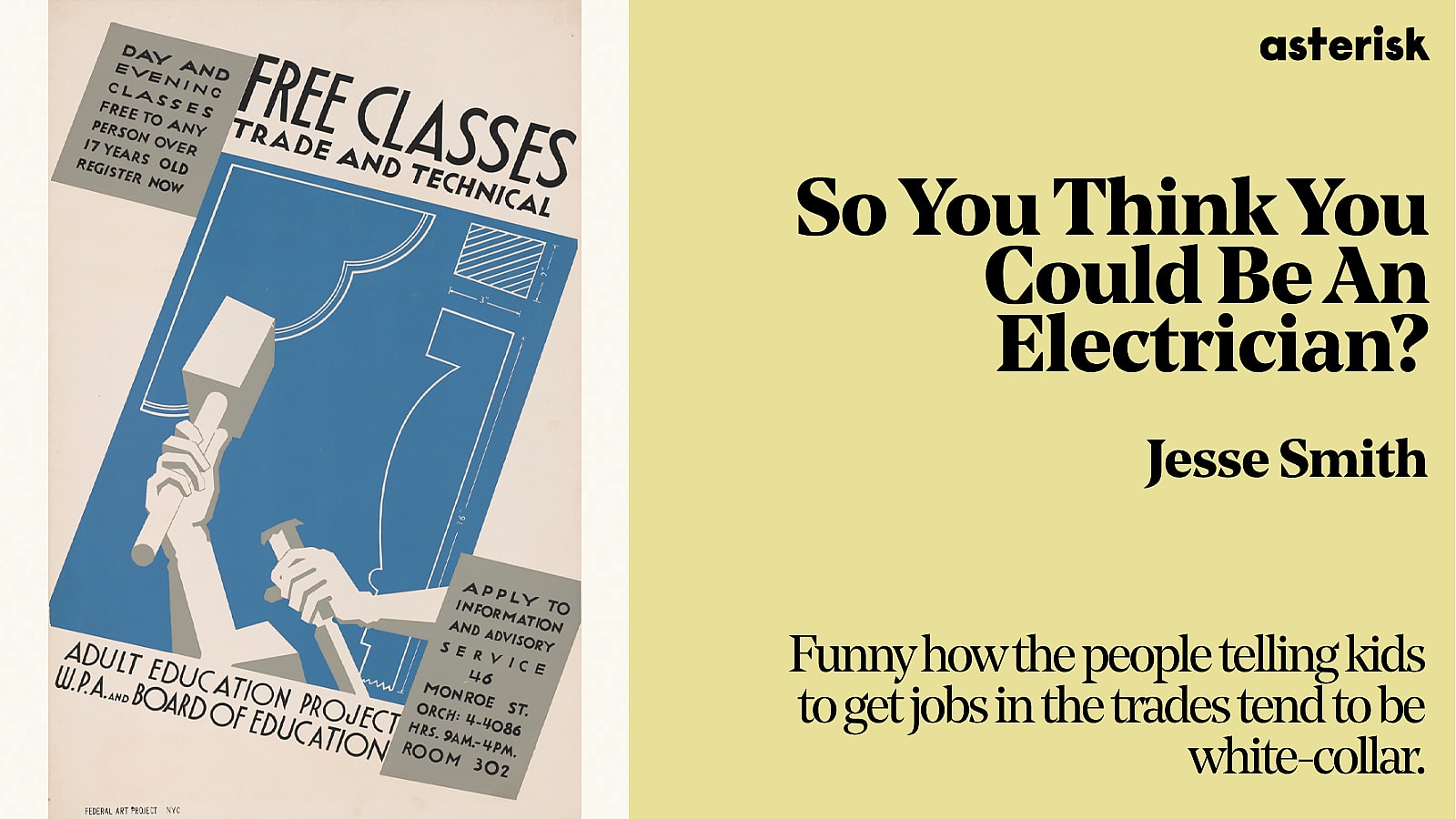
The narrative surrounding skilled trades suggests they offer a superior economic path compared to traditional college degrees. This perspective highlights rising tuition costs, wage growth in trades, and the perceived resilience of manual labor against AI automation.
The Resurgence of the Skilled Trades Narrative
In recent years, a compelling cultural and economic narrative has taken hold: the idea that the traditional path of a four-year university degree is losing its luster compared to the stability and high earning potential of the skilled trades. This shift is driven largely by the soaring costs of higher education, which have left many graduates burdened with substantial debt, contrasted against the rising demand for labor in fields like electrical work, plumbing, and HVAC systems.
The Economic Calculus of Education vs. Apprenticeship
The fundamental argument fueling this trend is a simple cost-benefit analysis. With college tuition prices spiraling, the return on investment for a degree is increasingly scrutinized. Conversely, unionized trade roles often provide a pathway to six-figure salaries with significantly lower entry costs, as apprenticeships allow individuals to earn while they learn. This financial disparity has turned the trades into a high-value alternative for those seeking economic mobility without the anchor of student loans.
The AI Factor and Job Security
Beyond the financial aspect, the rise of artificial intelligence has added a layer of urgency to the debate. There is a pervasive fear that AI will displace much of the traditional 'knowledge work' performed in offices, rendering certain college-heavy career paths vulnerable. In contrast, electrical work and other skilled trades are viewed as physically complex and context-dependent, making them inherently difficult to automate or replace with software. This perceived immunity to technological displacement has bolstered the attractiveness of trade schools.
The Populist Appeal of 'Real Work'
The discourse surrounding the trades often adopts a populist tone, contrasting the 'hard-working blue-collar' laborer with the 'nerds' of the corporate world. This perspective frames the trades as the backbone of the nation—the essential force that physically builds and maintains the country’s infrastructure. By positioning manual labor as the 'real work,' proponents of this narrative suggest a moral and practical superiority over the perceived fragility of modern office employment.
Future Trends and Market Realities
As the workforce continues to evolve, the distinction between 'white-collar' and 'blue-collar' is likely to blur, but the demand for skilled labor will remain a structural necessity. While the narrative of the trades as a panacea for economic anxiety is potent, it reflects a broader societal correction regarding the value of vocational skills. Future trends will likely see a continued expansion of vocational training programs as society acknowledges that the infrastructure of the modern world depends on human hands as much as it does on digital intelligence.
Conclusion
The shift toward valuing skilled trades is more than a passing trend; it is a fundamental reassessment of the value of labor in an automated age. By prioritizing the tangible, essential nature of trade work, many are finding a more secure and lucrative path forward. While the 'college-versus-trade' debate is filled with populist rhetoric, the underlying economic reality is clear: the trades offer a robust, future-proof career path for those willing to do the work.