UP eyes bigger slice of ₹39,000 crore spice export pie
Source Entity
Latest News: Todays Latest News Headlines from India & World | Hindustan Times | Hindustan Times
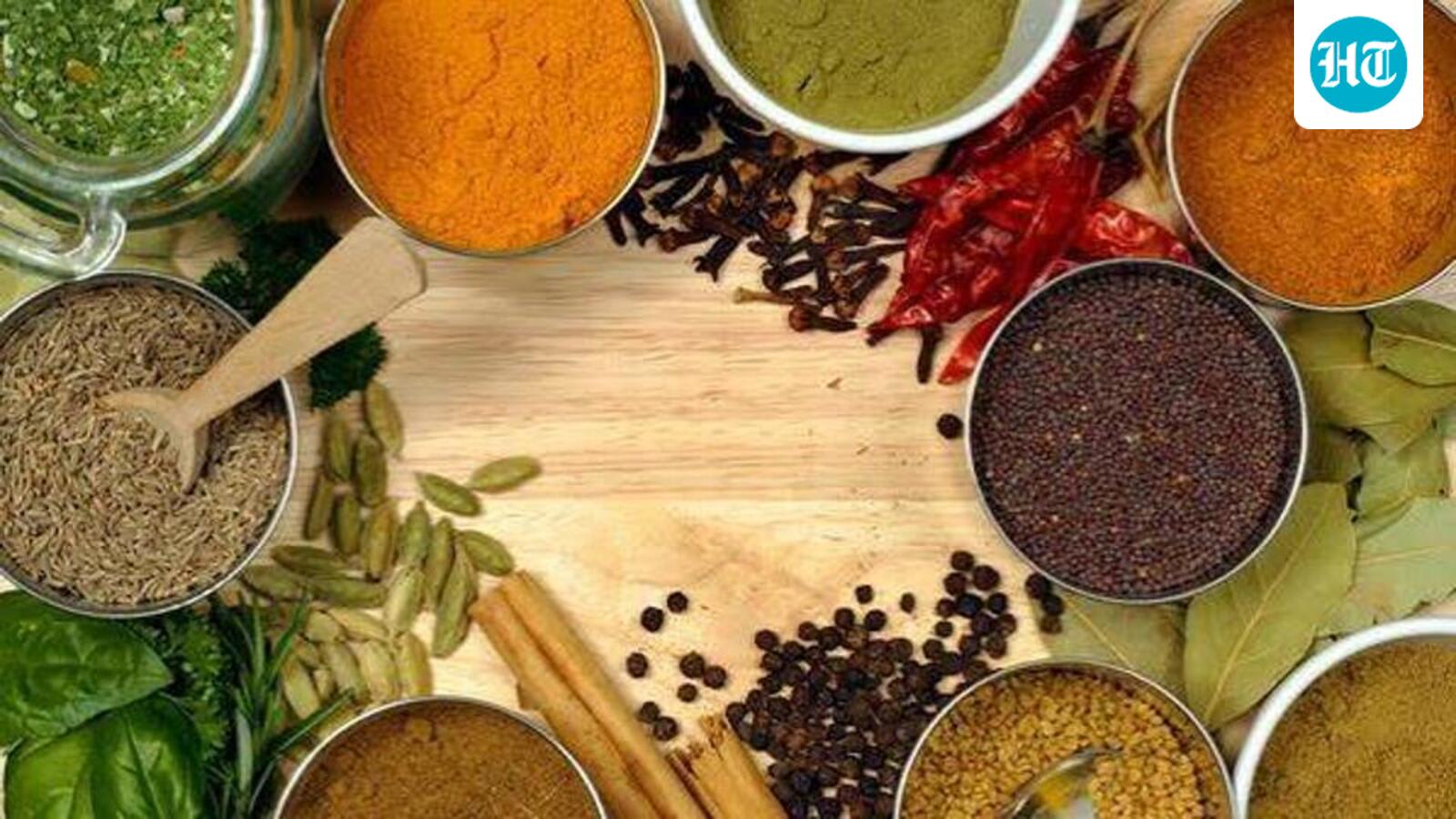
Uttar Pradesh aims to capture a larger share of India's ₹39,000 crore spice export market by shifting from volume-based production to high-value processing. The state government plans to emphasize quality control, curb adulteration, and support smallholder farmers to boost global competitiveness.
Uttar Pradesh Strategic Shift in the Spice Export Market
Uttar Pradesh (UP), traditionally recognized as India’s leading horticulture producer with an impressive annual output of 40 million tonnes, is now pivoting its agricultural strategy. During the sixth UP Spices Conference & Expo 2026, held at Udyan Bhawan, officials unveiled a roadmap to significantly increase the state's participation in the national spice export economy. This move represents a deliberate transition from raw commodity production to a value-added, export-oriented model.
Moving from Volume to Value
Horticulture Minister Dinesh Pratap Singh emphasized a fundamental shift in the state's agricultural philosophy: moving from 'volume to value.' While UP has historically dominated in sheer production quantities, the new mandate focuses on cultivating high-value spice crops. By targeting niche, high-demand spices, the state aims to maximize profit margins for local growers, particularly those operating on small landholdings who are often excluded from high-value supply chains.
Addressing Quality and Adulteration
A critical pillar of this new roadmap is the improvement of quality standards. The state government is prioritizing the curbing of adulteration to align with international food safety standards. By enforcing stricter quality control measures, UP seeks to enhance the global reputation of its produce. This is a vital step in ensuring that Uttar Pradesh-sourced spices can compete effectively in premium international markets where traceability and purity are non-negotiable requirements.
Infrastructure and Processing Capacity
To support this initiative, the conference—organized by the Centre for Agriculture and Rural Development (CARD) with 3EA Global as the knowledge partner—highlighted the urgent need for expanded processing and value-addition infrastructure. The vision is to establish regional processing units that allow farmers to convert raw spices into finished or semi-finished products closer to the source. This not only reduces post-harvest losses but also keeps a larger portion of the value chain within the state.
The National Context of Spice Exports
The timing of this strategic shift is underscored by robust national performance, with India having exported 17.34 lakh tonnes of spices valued at ₹39,140 crore ($4.43 billion). As India solidifies its position as a global spice powerhouse, UP’s ambition to capture a larger slice of this ₹39,000 crore pie is both timely and essential for the state’s economic growth. Integrating smallholder farmers into this lucrative export ecosystem could serve as a catalyst for rural development and economic stability across the state.
Future Trends and Outlook
Looking ahead, the success of this roadmap will depend on the state’s ability to attract private investment in processing technology and provide farmers with the technical training required for high-value cultivation. If UP successfully implements these quality-assurance and processing initiatives, it is well-positioned to become a dominant force in the global spice trade, leveraging its existing massive horticultural foundation to drive sustainable, export-led growth.
Verification Required?