Streaming is still trying to be TikTok
Source Entity
Rani Molla
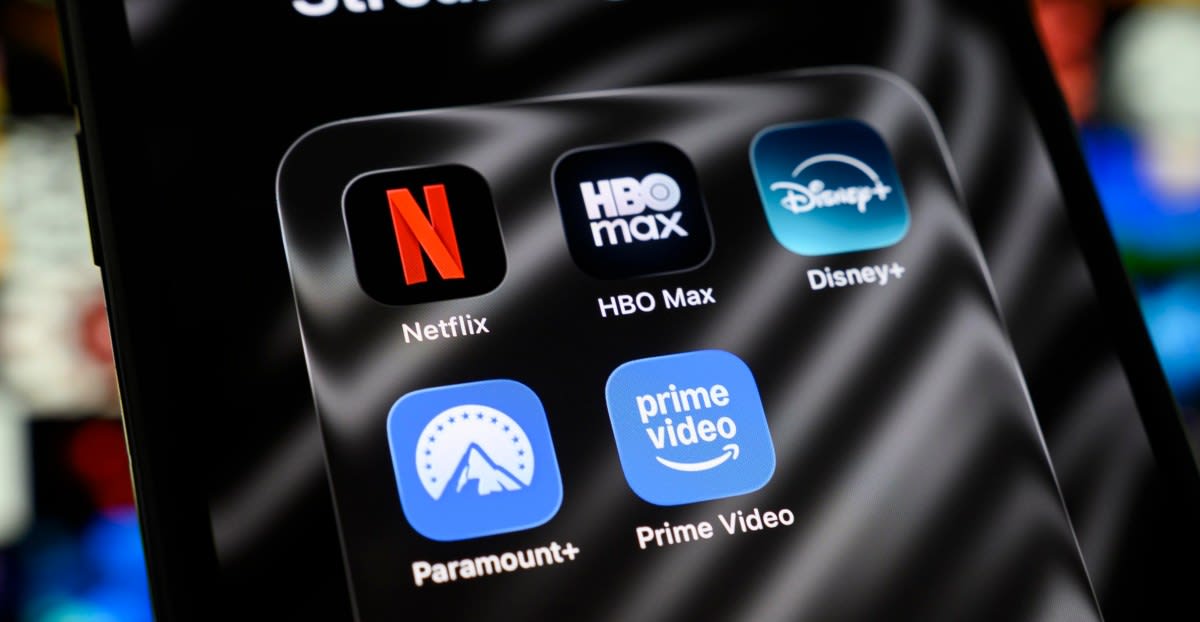
Skydance CEO David Ellison is pivoting toward short-form, vertical video feeds to compete with tech giants like YouTube. Following the acquisition of Paramount and Warner Bros. Discovery, the company aims to boost streaming engagement by mimicking social media formats.
The Shift Toward Short-Form Engagement in Streaming
In a strategic pivot that signals a fundamental change in how traditional media conglomerates approach digital consumption, Skydance CEO David Ellison has identified short-form, vertical video as a critical pillar for the future of the combined Paramount and Warner Bros. Discovery entity. Following Skydance’s acquisition of Paramount in October, Ellison’s first town hall meeting with employees underscored a sobering reality: legacy media giants are no longer competing solely with each other, but with the algorithmic dominance of global tech platforms.
The Challenge of Attention Economy
Ellison’s directive is rooted in the harsh metrics of the attention economy. By citing Nielsen data during the company’s recent earnings call, the CEO highlighted that the combined footprint of Paramount and Warner Bros. Discovery’s broadcast, cable, and streaming assets still falls short of YouTube’s total U.S. television watch time. This realization marks a shift from viewing streaming services as static libraries of long-form content to viewing them as dynamic environments that must capture user attention through rapid, engaging interactions.
Integrating Social Media Formats into Streaming
The integration of a vertical video feed—a format popularized by TikTok—into streaming platforms is an attempt to bridge the gap between lean-back entertainment and hyper-engaged social scrolling. Ellison’s emphasis on this feature suggests a belief that the future of viewer retention lies in mimicking the interface habits that have defined the last decade of internet usage. By embedding these feeds into platforms like Paramount Plus, the company hopes to keep users within their ecosystem longer, effectively gamifying the discovery of traditional long-form content.
Early Signs of Operational Success
Despite the massive organizational hurdles that follow a major acquisition, there are early indicators that the transition is yielding results. Ellison noted that Paramount Plus engagement has risen by more than 20 percent since the acquisition was finalized. This growth suggests that the current audience is responsive to the platform’s evolving content strategy, providing a baseline of momentum as Skydance works to harmonize the operations of these massive media properties.
Broader Industry Implications
This strategic direction reflects a broader trend within the entertainment industry: the desperation to remain relevant in a fragmented media landscape. As legacy players like Warner Bros. Discovery and Paramount face pressure from tech-native competitors, the adoption of social-media-style features is becoming a survival mechanism. The move indicates that the "streaming wars" are evolving into a battle for user time-on-app, where the interface is just as important as the intellectual property itself.
Future Outlook and Strategic Evolution
Looking ahead, the success of Skydance will likely depend on its ability to leverage its deep library of high-end content while successfully deploying these short-form discovery tools. If the company can effectively convert a casual viewer who is scrolling through a short-form feed into a consumer of feature-length films and prestige series, it may successfully close the engagement gap with tech giants. The coming months will be a critical test of whether legacy media can successfully adapt to the behavioral patterns demanded by the modern digital audience.