After Skyroot, more pvt spacetech startups set to reach for skies with commercial missions
Source Entity
SWATI BHARADWAJ AND SUPRIYA ROY
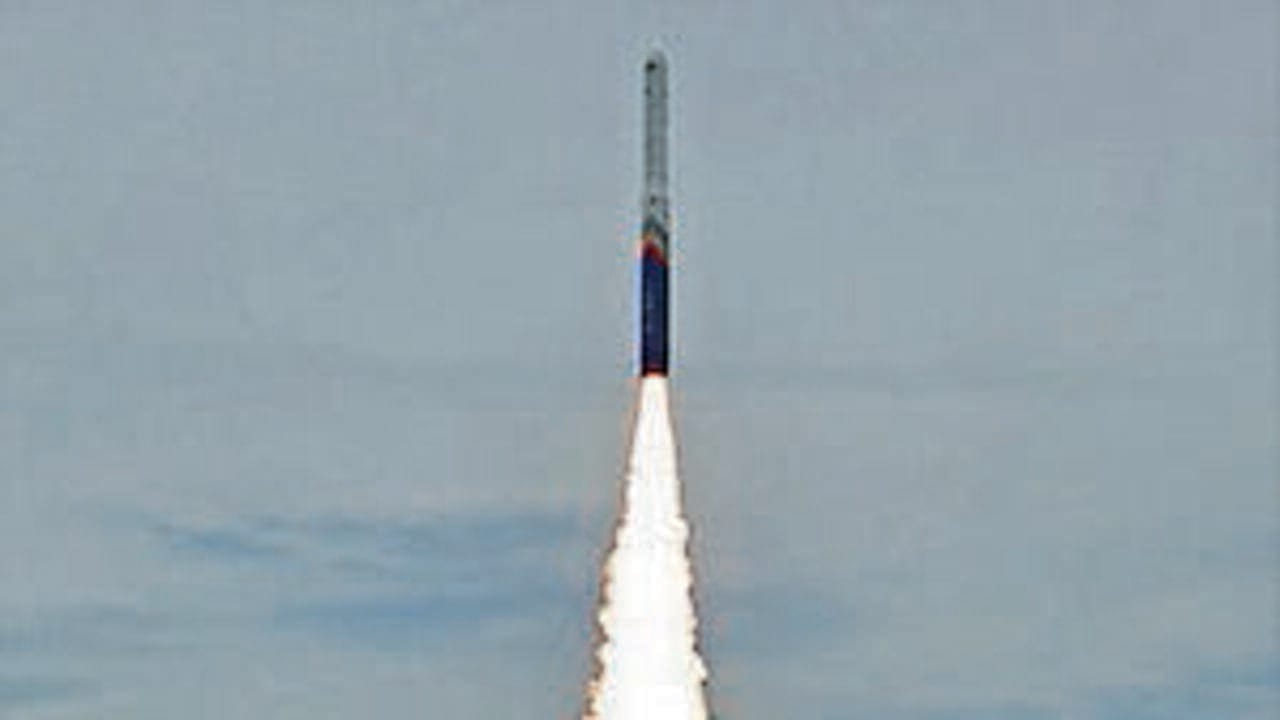
Skyroot Aerospace's Vikram-1 has successfully reached orbit on its maiden flight, marking India's first private orbital rocket launch. This historic achievement on the first attempt sets a new benchmark for the global commercial spacetech industry.
A New Era for Indian Space Exploration: The Triumph of Vikram-1
On July 18, 2026, India entered a transformative phase in its aerospace journey with the successful launch of the Vikram-1 rocket. Developed by the Hyderabad-based startup Skyroot Aerospace, Mission Aagaman represents the first time a private entity in India has successfully reached orbit. The rocket lifted off from the Satish Dhawan Space Centre in Sriharikota, Andhra Pradesh, eventually achieving a precise 280-mile-high orbit. This event is not merely a technical victory but a symbolic shift in how India approaches space exploration, moving from a purely government-led model to a collaborative ecosystem involving private enterprise.
Unprecedented First-Attempt Success
One of the most striking aspects of the Vikram-1 mission is its immediate success. While the global commercial space race has been dominated by giants like SpaceX, the path to orbit is historically fraught with failure; notably, SpaceX required three failed attempts before achieving its first successful orbital flight. Skyroot Aerospace has defied this trend by reaching orbit on its very first attempt. This feat has garnered international attention, signaling that Indian private spacetech firms possess the technical maturity and precision to compete at the highest levels of the global launch market from the outset.
Technical Execution and Operational Resilience
The mission was not without its tensions, as a last-minute technical problem caused a delay of over half an hour. However, the ability of the Skyroot team and space officials to resolve the issue and resume the countdown demonstrates a high level of operational readiness. The Vikram-1 utilizes a solid-fueled first-stage booster to propel itself from the launch pad. While modest in size compared to the heavy-lift workhorse rockets typically operated by the state, the Vikram-1 is optimized for commercial satellite delivery, proving that smaller, agile launchers can be highly effective for specific orbital needs.
Catalyzing the Indian Spacetech Ecosystem
The success of Mission Aagaman is expected to act as a catalyst for a broader surge in Indian private space activity. By proving that a private orbital launch is possible and sustainable, Skyroot has lowered the psychological and financial barriers for other startups. The industry is already seeing an acceleration in the development of diverse technologies, including the creation of specialized satellites and the pursuit of reusable rocket technology. This diversification is critical for building a robust domestic supply chain that can support a high frequency of commercial launches.
Broader Economic and Strategic Implications
From a strategic perspective, the privatization of launch capabilities reduces the burden on state agencies and allows for more flexible, cost-effective access to space. As more private firms aim to take their "commercial dreams to the sky," India is positioning itself as a global hub for affordable satellite deployment. This shift is likely to attract significant venture capital and international partnerships, as global satellite operators seek reliable and cost-efficient alternatives to established Western and Russian launch providers.
Future Trends in Private Orbital Logistics
Looking forward, the trajectory established by Vikram-1 suggests a trend toward a multi-tiered launch infrastructure in India. We can expect to see a proliferation of "micro-launchers" designed for small-satellite constellations, alongside the development of larger, reusable systems to compete with global leaders. The focus will likely shift toward increasing launch cadence and reducing the cost per kilogram to orbit, further democratizing space access for research institutions and commercial enterprises alike.
Conclusion
The successful debut of the Vikram-1 rocket is a watershed moment for India's technology sector. By achieving orbit on its maiden flight, Skyroot Aerospace has not only written its own name into the history books but has also opened the floodgates for a new generation of Indian spacetech entrepreneurs. As the nation transitions toward a hybrid model of state-guided and privately-driven exploration, the success of Mission Aagaman stands as the definitive proof of concept for India's commercial space ambitions.
Multiple Citing Sources