"3...2...1...Lift Off": Moment India's 1st Private Space Rocket Took Off. Watch
Source Entity
NDTV News Search Records Found 1000
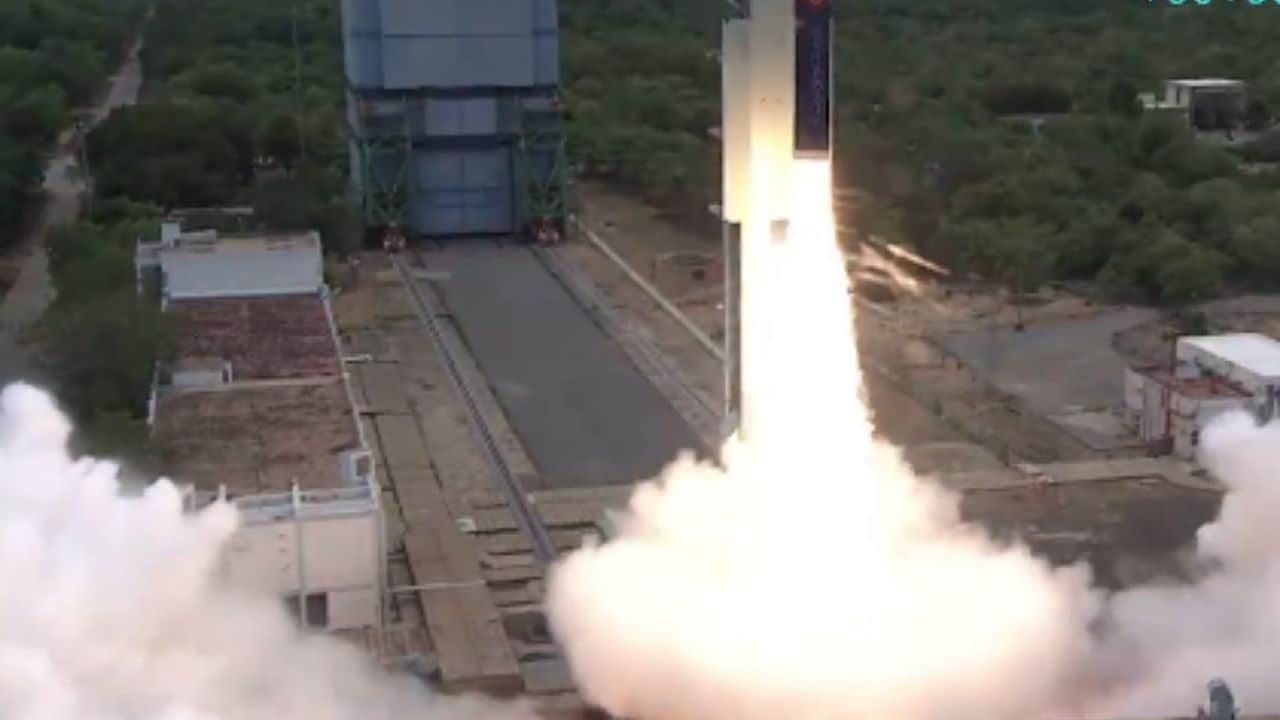
Skyroot Aerospace has initiated the 'Aagaman' mission, marking the first orbital launch attempt of the Vikram-1 rocket. This milestone represents a significant shift toward private sector participation in India's space industry.
A New Era for Indian Space Exploration: The Vikram-1 Launch
The launch of the Vikram-1 rocket, developed by Hyderabad-based Skyroot Aerospace, represents a watershed moment in India's technological journey. As the nation’s first privately developed orbital-class rocket, this mission—aptly named 'Aagaman'—signifies a fundamental shift in how space technology is conceptualized, built, and launched. By transitioning from a purely state-led model under the Indian Space Research Organisation (ISRO) to an ecosystem that invites private innovation, India is positioning itself to capture a larger share of the global small-satellite launch market.
The Significance of 'Aagaman'
The 'Aagaman' mission is not merely a test flight; it is a proof-of-concept for the viability of private space entities in India. The Vikram-1 is a sophisticated four-stage rocket specifically designed for rapid, responsive launch services. This design philosophy is critical for modern satellite constellations, which require agile and frequent deployment to maintain operational efficiency. By successfully reaching this stage, Skyroot Aerospace demonstrates that the private sector can match the technical rigor previously reserved for national space agencies.
Government Support and the 'Youth Talent' Paradigm
Prime Minister Narendra Modi has publicly hailed this initiative as a "historic new frontier," emphasizing the "talent of youth" driving these advancements. This political and institutional support is pivotal, as it provides the necessary regulatory framework and infrastructure—such as the facilities at the Satish Dhawan Space Centre in Sriharikota—to facilitate private enterprise. This synergy between government policy and private initiative is intended to foster a robust aerospace corridor that can compete internationally.
Navigating Technical Complexity and Delays
Space exploration is inherently fraught with complexity, and the temporary hold at T-4:59 minutes during the launch sequence highlights the rigorous safety standards governing such missions. The automated nature of the launch sequence, which halted the countdown, is a standard safety protocol designed to ensure mission success. These delays are common in the aerospace industry and serve as a testament to the precision engineering required to place an orbital-class rocket into space.
Broader Implications for the Global Space Market
The success of Vikram-1 will likely catalyze further investment in the Indian space sector. As India seeks to democratize space access, the ability to launch from domestic soil via a private entity reduces costs and logistics hurdles for startups and international clients alike. This mission is expected to set a precedent for future commercial endeavors, establishing India as a primary hub for affordable and reliable space launch services.
Future Trends and Conclusion
Looking ahead, the success of the 'Aagaman' mission will likely lead to a surge in private-sector investment, research, and development within India’s aerospace domain. As Skyroot Aerospace refines its launch capabilities, we can anticipate a future where space launches become routine, commercial operations. This transition not only bolsters the national economy but also accelerates the pace of innovation in satellite communication, earth observation, and scientific research.
Multiple Citing Sources
Verification Required?