Small retailers brace for 'huge hit' this holiday season as shipping costs spike
Source Entity
US Top News and Analysis
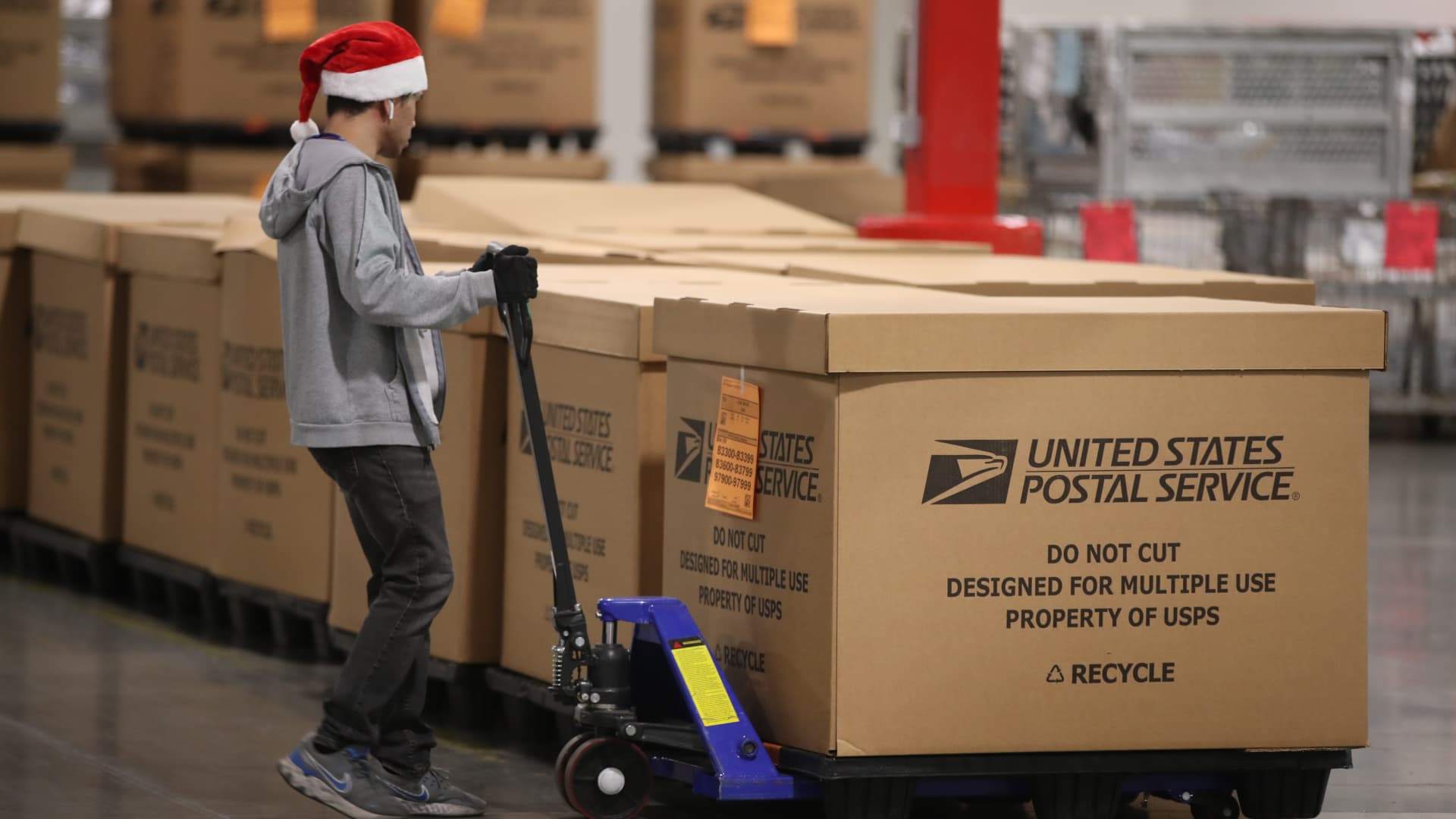
Small and medium-sized retailers are facing significant financial strain this holiday season due to surging shipping costs. Increased fuel prices are driving up logistics expenses, threatening the profitability and viability of small businesses.
The Logistics Crisis Facing Small Retailers
As the holiday season approaches, a critical economic challenge has emerged for small and medium-sized enterprises (SMEs): a sharp, sustained increase in shipping costs. Retailers like Jenni Shields, who has operated a handmade hair accessory business for eight years, are finding that the cost of logistics is no longer a marginal expense but a primary threat to their bottom line. With shipping rates for small packages jumping from approximately $4.50 last year to nearly $6.00 recently, the margin for error for independent sellers has vanished.
The Impact of Inflation and Fuel Prices
The primary driver behind this volatility is the surge in fuel prices, which acts as a multiplier across the entire supply chain. Because small businesses lack the massive shipping volume that allows large corporations to negotiate deep discounts with logistics providers, they are forced to absorb these price hikes directly. When shipping costs rise, retailers face a painful dilemma: either raise prices and risk losing price-sensitive customers or absorb the costs and watch their profit margins evaporate during what is typically their most profitable quarter of the year.
Historical Context and Economic Shift
To understand the gravity of this situation, one must look at the historical baseline. For entrepreneurs like Shields, shipping fees have nearly doubled in real terms over the last eight years. This shift represents a fundamental change in the e-commerce landscape. In the past, affordable shipping was the backbone that allowed small, home-based businesses to compete with retail giants. Now, that competitive advantage is being eroded by the rising price of energy and the operational costs at distribution centers like the U.S. Postal Service facility in Los Angeles.
Broader Implications for the Retail Ecosystem
The ripple effects of these costs extend beyond individual profit margins. If small retailers cannot sustain their operations, the diversity of the e-commerce marketplace will diminish. Consumers may find themselves with fewer options as independent creators are priced out of the market. Furthermore, this trend suggests that the 'holiday rush'—a time usually marked by growth and optimism—is now being viewed with apprehension by business owners who fear that the cost of doing business has finally outpaced the market's willingness to pay.
Future Trends and Outlook
Looking ahead, the reliance on traditional postal services for fulfillment may undergo a forced transformation. Small businesses will likely need to explore alternative logistics strategies, such as regional shipping hubs or consolidating orders, to mitigate these expenses. However, unless there is a significant stabilization in global fuel prices, the burden on small-scale retailers will likely persist throughout the holiday season. The resilience of these entrepreneurs will be tested as they navigate a challenging economic environment where logistics costs have become the defining obstacle to success.