Still switching between your TV and monitor? These smart monitors can finally replace both
Source Entity
Latest News: Today's Latest News Headlines from India & World | Hindustan Times | Hindustan Times
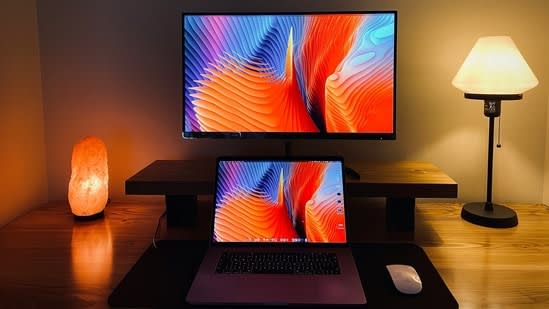
Looking to declutter your desk? These smart monitors combine productivity tools and smart TV features into one versatile display.
The Convergence of Work and Play: The Rise of the Smart Monitor
For decades, the home office and the living room have been defined by distinct hardware: the high-refresh-rate, productivity-focused monitor for work, and the large-screen, app-integrated smart TV for leisure. However, a new trend in hardware convergence is challenging this dichotomy. The emergence of "smart monitors" represents a strategic pivot in display technology, aiming to provide a singular, versatile hub that caters to both professional productivity and high-definition entertainment. This shift is not merely about screen size, but about the integration of an operating system directly into the display hardware.
Breaking the Dependency on the PC
Traditionally, a monitor was a "dumb" peripheral—a piece of glass that required a signal from a PC, console, or laptop to function. The core innovation of the smart monitor lies in its onboard intelligence. By integrating smart TV platforms (such as Tizen or WebOS), these displays allow users to access streaming services like Netflix, YouTube, and Disney+ without ever powering on a computer. This removes the friction of booting up a system for a quick viewing session and reduces the energy consumption associated with running a full desktop environment just to watch a video. This autonomy transforms the monitor from a passive output device into an active, standalone computing terminal.
Enhancing Productivity through Integration
While the entertainment aspect is a significant draw, the "productivity tools" mentioned in the context refer to the growing capabilities of these displays to handle professional workflows. Many smart monitors now feature integrated cloud computing capabilities, allowing users to access Microsoft 365 or Google Workspace directly via the monitor's OS. Furthermore, the inclusion of wireless casting and desktop mirroring (such as Samsung DeX or Apple AirPlay) enables a seamless transition between a mobile device and a large-screen interface. This creates a flexible environment where a user can switch from a complex spreadsheet to a cinematic experience with a single remote click, effectively optimizing the utility of the desk space.
The Psychology of Decluttering and Ergonomics
Beyond the technical specifications, the move toward smart monitors is driven by a desire for minimalism and improved desk ergonomics. The "decluttering" aspect is a critical value proposition for the modern remote worker. By eliminating the need for a separate television in a small home office or reducing the number of cables required to switch between different input sources, users can create a more focused and less stressful environment. The psychological impact of a clean workspace is well-documented, often leading to increased focus and reduced cognitive load, making the all-in-one nature of the smart monitor a lifestyle upgrade as much as a technical one.
Future Implications for Hardware Ecosystems
Looking ahead, the trajectory of smart monitors suggests a future where the boundary between mobile devices and stationary displays continues to vanish. We can predict a trend toward deeper AI integration, where the monitor doesn't just display content but actively manages the user's schedule and suggests apps based on the time of day—switching from "Work Mode" (productivity tools) in the morning to "Relax Mode" (streaming apps) in the evening. As 5G and high-speed Wi-Fi 6E become standard, the reliance on physical cables will diminish further, making the smart monitor the central nervous system of the digital home.
Conclusion
In summary, the smart monitor is a response to the evolving needs of a hybrid workforce that demands versatility and simplicity. By merging the utility of a professional display with the richness of a smart TV, these devices offer a compelling solution for those looking to maximize their space and streamline their digital interactions. While they may not entirely replace the massive screens of a dedicated home theater, they provide an unparalleled balance of efficiency and entertainment for the modern user.
Verification Required?