Should you still buy your next smartphone — or subscribe to it instead?
Source Entity
Jagmeet Singh
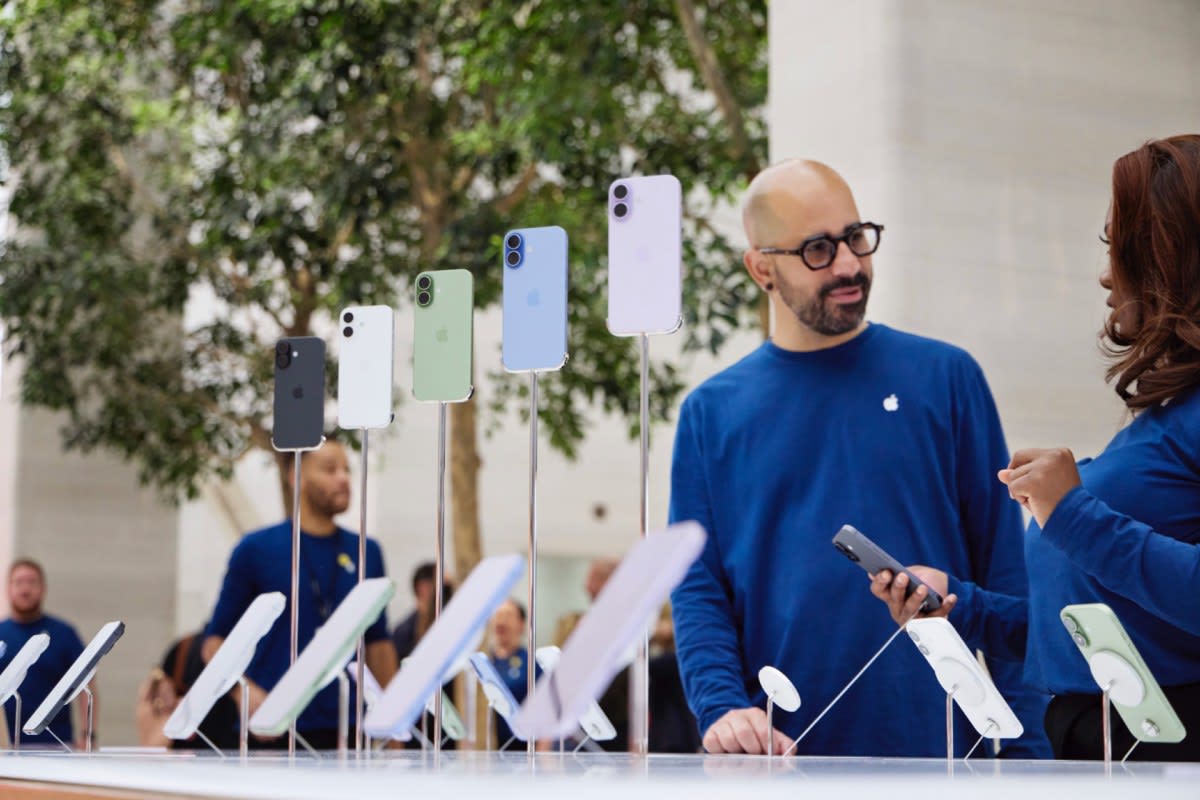
Major tech companies like Apple and Samsung are shifting from traditional sales models to subscription and leasing services. This transition aims to address rising premium device costs while ensuring customer retention through recurring revenue models.
The Shift Toward Hardware-as-a-Service
The smartphone industry is undergoing a fundamental transformation as manufacturers pivot away from traditional one-time retail purchases toward recurring revenue models. As the price of flagship devices continues to climb, consumers are increasingly feeling the financial strain of purchasing premium hardware outright. By shifting the focus from ownership to access, companies like Apple and Samsung are attempting to redefine the consumer relationship with technology.
Apple’s Strategic Expansion
Apple’s recent launch of the Apple Upgrade program in the U.S., facilitated through a partnership with Klarna, represents a significant evolution in their retail strategy. By allowing customers to lease devices like the iPhone, Mac, iPad, and Apple Watch for a monthly fee, Apple is lowering the initial barrier to entry. This model provides users with the flexibility to return, upgrade, or eventually purchase the device, effectively turning hardware into a service-based utility that aligns with the company’s broader ecosystem strategy.
Samsung’s Global Approach
While Apple targets the U.S. market, Samsung has implemented similar strategies internationally, most notably with its 'Galaxy Forever' program in India. By integrating financing with a guaranteed buyback clause, Samsung is creating a predictable upgrade cycle for its premium Galaxy line. This approach mitigates the depreciation anxiety often associated with high-end tech, ensuring that users remain within the Samsung ecosystem rather than switching to competitors during their next upgrade cycle.
The Economics of Upgrading
At the core of these initiatives is the necessity to maintain high average selling prices (ASPs) in a saturated market. As CEO Tim Cook noted in recent earnings calls, these programs are designed to make premium hardware more accessible while securing long-term customer loyalty. By normalizing monthly payments, manufacturers can sustain demand for expensive handsets that might otherwise see declining sales volumes in a stagnant global economy.
Implications for Consumer Behavior
This shift suggests a future where consumers may never truly 'own' their devices. Instead, they become perpetual subscribers to the latest hardware iterations. While this offers the convenience of constant access to the newest technology, it also traps users in a cycle of indefinite debt or recurring payments, fundamentally changing the concept of personal property in the digital age.
Future Trends and Market Outlook
Looking forward, we can expect this model to expand across more regions and product categories. As software and hardware become increasingly intertwined, the 'subscription-first' approach allows companies to bundle services—such as cloud storage, streaming, and insurance—directly into the leasing cost. This creates a high-margin, sticky ecosystem that is difficult for consumers to exit, likely becoming the industry standard over the coming decade.