If Snap’s Specs are still ridiculously expensive, they’re also a lot more comfortable than they used to be
Source Entity
Lucas Ropek
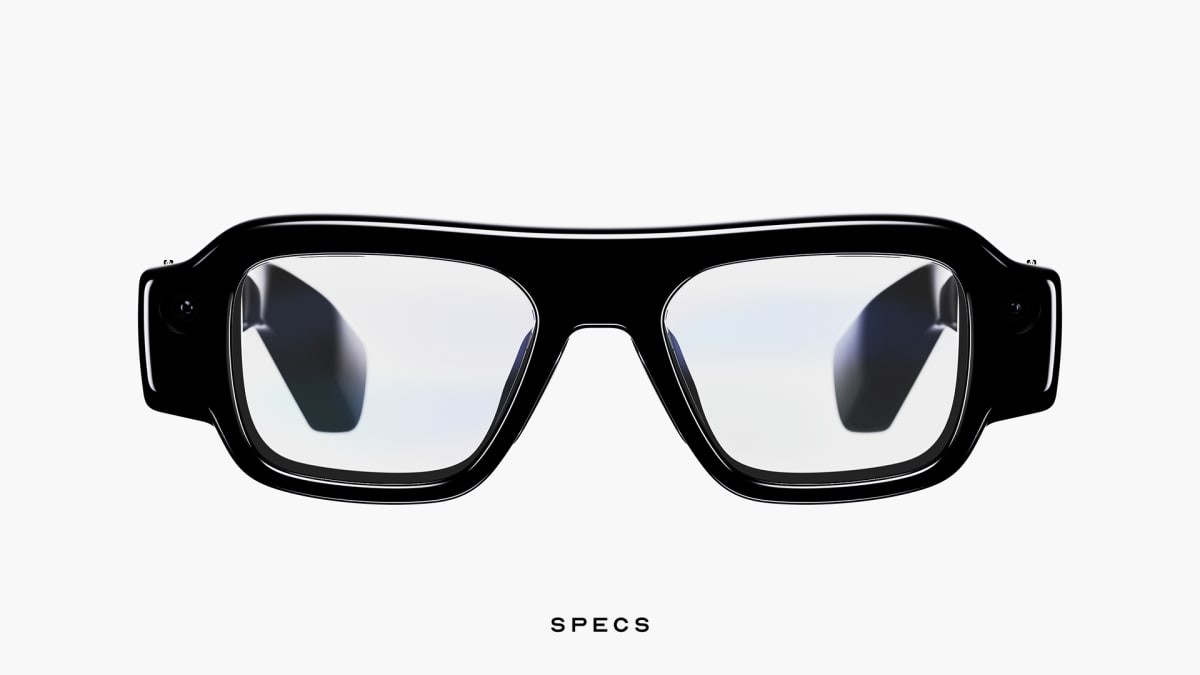
Snap is launching its latest iteration of AR glasses, featuring significant improvements in comfort and form factor. While previous prototypes faced issues with heat and weight, the new version aims to better integrate this 'new kind of computer' into daily consumer use.
The Evolution of Snap's AR Vision
Snap Inc. is at a pivotal juncture in its hardware journey as it prepares to bring its latest iteration of 'Specs' to the consumer market this fall. Long regarded as an experimental project within the company, these augmented reality (AR) glasses are being positioned by Snap as a foundational shift toward a "new kind of computer." This release follows years of iterative development, moving the product from niche laboratory prototypes to a tangible retail offering.
Overcoming Hardware Hurdles
The trajectory of Snap’s hardware development has been marked by significant technical challenges. Early prototypes, such as those showcased at CES earlier this year, highlighted the inherent difficulties of packing high-level computing power into a wearable frame. Users reported substantial discomfort, citing a weight of approximately 8 ounces and thermal issues that caused a "tingly" sensation on the skin. These physical constraints are common in the industry, as engineers struggle to balance battery life, processing speed, and heat dissipation within a compact form factor.
Design Refinements and User Experience
Recent hands-on sessions indicate that Snap has taken these early criticisms to heart. By the time the company debuted the product at its public event with CEO Evan Spiegel, the design had undergone a noticeable transformation. The shift from a heavy, prototype-phase device to the refined version now available for pre-order suggests that the company has focused heavily on ergonomics. Improved comfort is critical for the success of AR wearables, as users are unlikely to adopt technology that is physically taxing to wear for extended periods.
The Strategic Gamble of AR
Snap’s commitment to Specs represents a broader strategic push into the spatial computing market. By branding the device as a new computer, Snap is attempting to differentiate itself from simple camera-based spectacles and move toward true augmented reality. This move aligns with broader industry trends where major tech players are competing to define the next generation of computing after the smartphone. However, the market remains skeptical, as high price points and limited utility have historically hampered the widespread adoption of smart glasses.
Market Outlook and Future Trends
As pre-orders continue, the success of these Specs will likely hinge on the balance between their improved comfort and their practical utility. If the device can maintain its weight and thermal efficiency while offering compelling AR software experiences, Snap may finally find a foothold in the consumer hardware space. Looking forward, the company must prove that these glasses are more than just a novelty, establishing a clear value proposition that justifies their cost and encourages daily use beyond the initial novelty phase.