Can you really tell if someone has high blood sugar by looking at their face?
Source Entity
The Indian Express
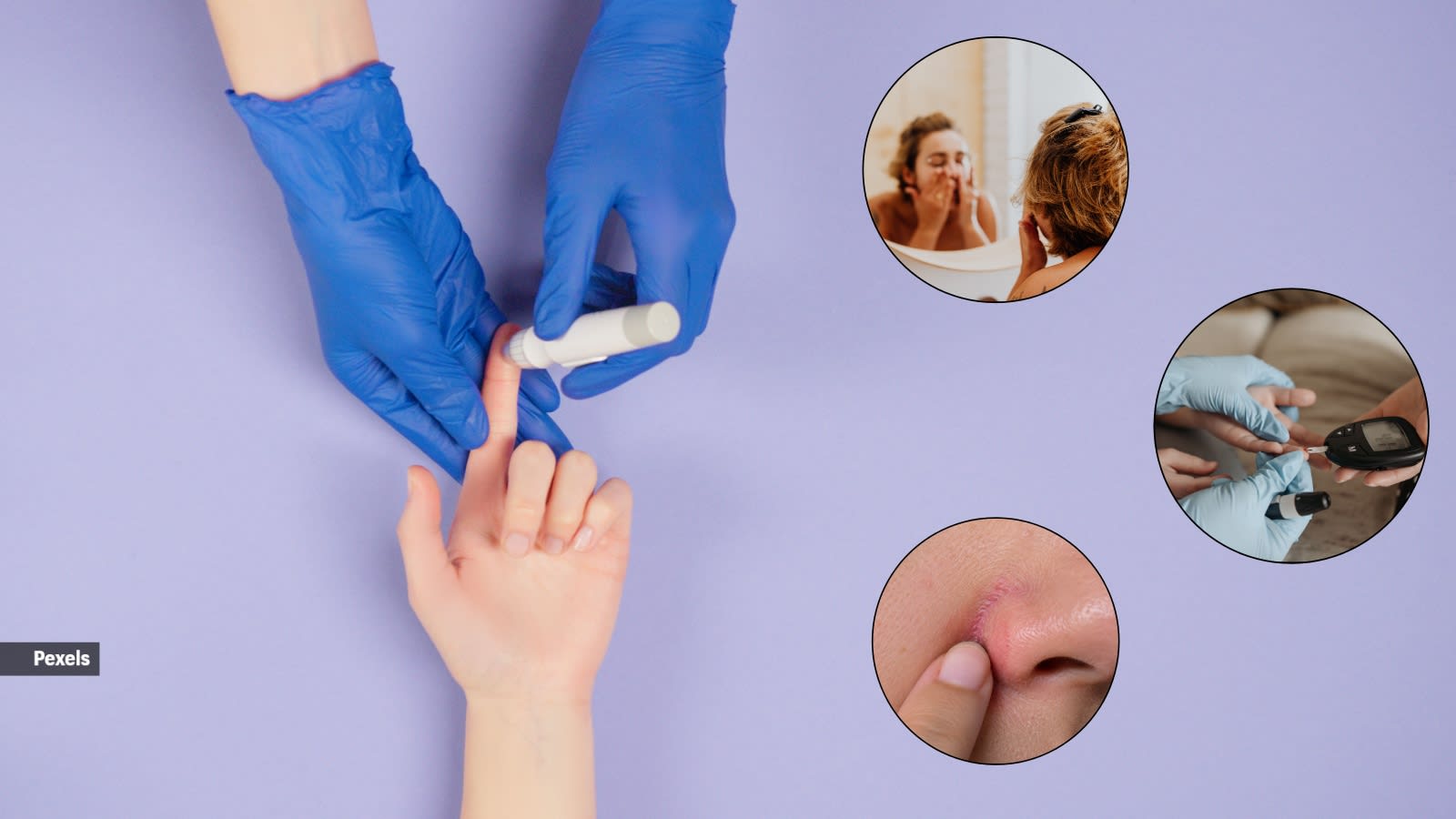
Social media trends incorrectly suggest that facial features can diagnose diabetes. Experts warn that skin conditions are not a substitute for clinical blood sugar testing and caution against medical misinformation.
The Rise of 'TikTok Diagnosis': Navigating Medical Misinformation
In recent months, a concerning trend has emerged across social media platforms where influencers and self-proclaimed wellness experts attempt to diagnose chronic conditions, specifically diabetes, simply by analyzing facial features in photographs. This phenomenon, often termed "Instagram diagnosis," involves pointing to superficial skin markers—such as red patches near the nose, hyperpigmentation, or skin tags—and presenting them as definitive proof of high blood sugar or underlying metabolic disease. This trend has gained significant traction, capitalizing on the public's desire for quick, non-invasive health insights, but it fundamentally misrepresents how medical diagnosis works.
The Fallacy of Visual Diagnosis
It is critical to state clearly: your face cannot provide a reliable blood sugar reading. While certain systemic conditions can manifest dermatological symptoms, attributing specific skin tags or minor rashes solely to diabetes is an act of conjecture rather than clinical practice. As Dr. Rajiv Kovil, a Diabetes & Obesity Specialist at Zandra Healthcare, emphasizes, the leap from observing a patch of skin to declaring a medical diagnosis is a dangerous practice. These visual indicators are non-specific; they can be caused by a multitude of factors, including genetics, sun exposure, hormonal fluctuations, or unrelated dermatological issues.
The Dangers of 'Conjecture Dressed as Medicine'
When social media users frame speculation as medical advice, the real-world consequences can be severe. By encouraging followers to rely on visual "clues" instead of evidence-based medicine, these content creators may cause individuals to either ignore genuine symptoms or, conversely, experience unnecessary anxiety based on inaccurate self-assessments. True diagnosis requires a clinical evaluation, typically involving blood glucose tests, HbA1c monitoring, and a comprehensive review of a patient's medical history by a licensed healthcare professional.
Understanding the Role of Dermatological Markers
While it is true that diabetes can sometimes be associated with skin changes—such as acanthosis nigricans, a darkening and thickening of the skin often found in skin folds—these are not diagnostic in isolation. They are clinical signs that require professional interpretation within the context of a patient's overall health. When social media strips these signs of their context, they transform a medical nuance into a viral soundbite, stripping away the complexity required to provide safe, effective patient care.
Maintaining Medical Integrity
The proliferation of "armchair medicine" highlights a broader societal challenge in the digital age: the democratization of information often comes at the cost of accuracy. As the boundaries between entertainment and medical guidance blur, it becomes increasingly important for the public to verify claims through reputable medical institutions. The medical community must continue to push back against these viral trends, reinforcing that health is not a spectacle to be analyzed through a smartphone filter, but a clinical reality that demands rigorous, science-backed verification.
Conclusion: Trusting Science Over Algorithms
Ultimately, the diagnostic process remains a sacred trust between a patient and a physician. No amount of "face reading" or viral social media commentary can replace the precision of laboratory testing. As we move forward, the best defense against health-related misinformation is a healthy dose of skepticism toward viral claims and a commitment to seeking advice from qualified specialists who prioritize patient safety over engagement metrics.