Why SoFi’s stock is dropping, even after its earnings beat expectations
Source Entity
William Gavin
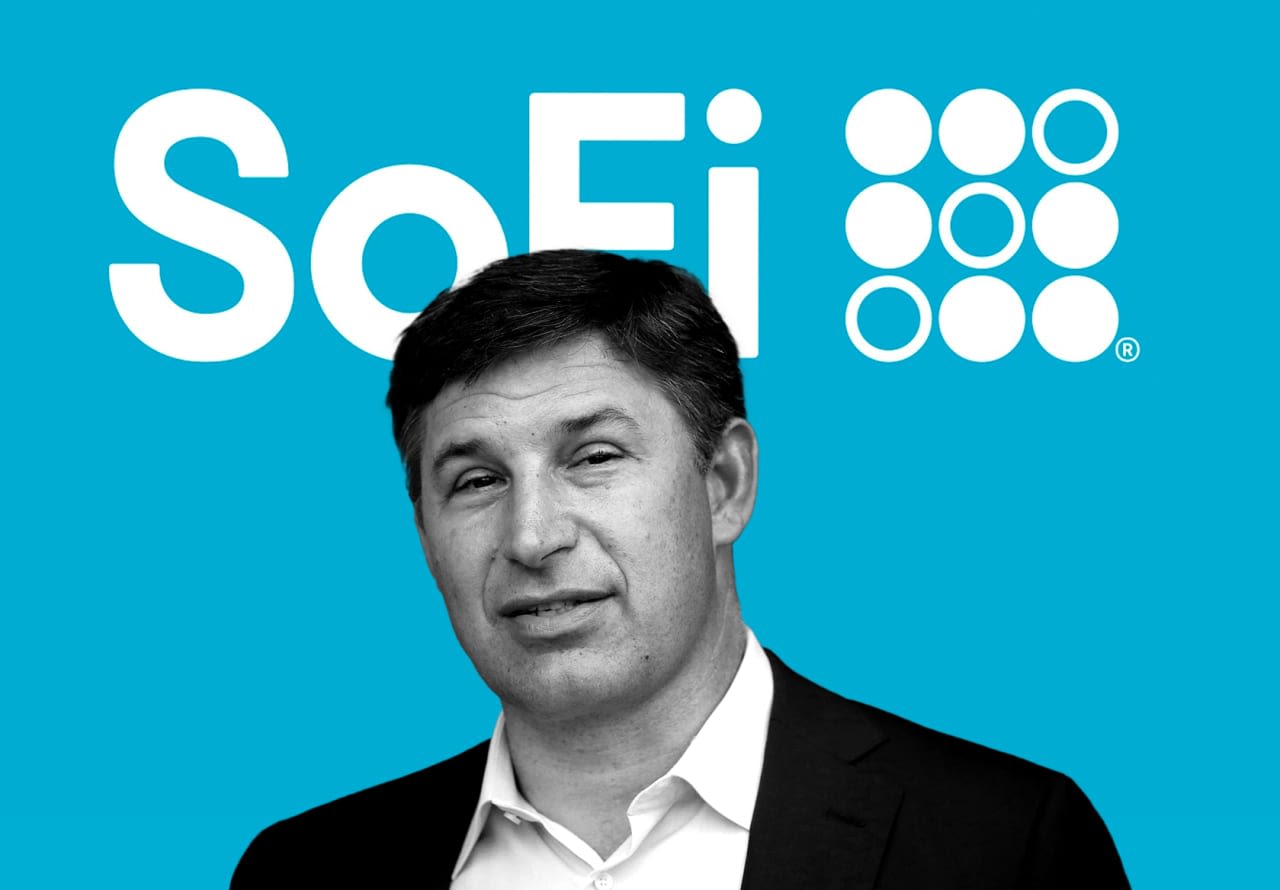
SoFi shares dropped over 8% following Q2 earnings despite record revenue and raised sales guidance. Investors reacted negatively to the company's unchanged EPS forecast and concerns surrounding rising consumer lending costs.
SoFi's Financial Paradox: Record Growth vs. Investor Skepticism
SoFi Technologies (SOFI) recently reported its second-quarter earnings, delivering a narrative of impressive operational momentum overshadowed by a sharp market correction. Despite achieving its eighth consecutive quarter of record revenue, with net revenue hitting $1.2 billion, the company saw its stock price slide by more than 8%. This dissonance between internal performance and market valuation highlights a growing tension among investors regarding the sustainability of the company's aggressive expansion into consumer lending.
The Earnings Beat: A Closer Look at the Numbers
From a purely fundamental perspective, SoFi’s second-quarter performance was robust. The company reported a net income of $157 million, representing a 61% increase compared to the same period last year. On an adjusted basis, the company earned $0.12 per share, successfully surpassing the consensus analyst estimate of $0.11. CEO Anthony Noto characterized the quarter as "nothing short of an exceptional quarter," pointing to the firm's ability to maintain its growth trajectory while scaling its diverse financial product suite.
The Friction of Guidance
While the headline numbers were strong, the market’s reaction was triggered by the company's forward-looking statements. SoFi opted to raise its adjusted revenue guidance for the full year to a range between $4.75 billion and $4.85 billion, signaling confidence in its top-line growth. However, the company left its adjusted earnings per share (EPS) forecast unchanged at $0.60. This decision to keep profit expectations stagnant while revenue expectations rise suggests that the firm expects increased operational costs, likely driven by its intensified push into consumer lending.
Analyzing the Lending Strategy
SoFi’s focus on scaling consumer lending appears to be the primary source of investor anxiety. While lending is a critical engine for revenue, it also carries inherent risks, particularly in a macroeconomic environment characterized by fluctuating interest rates and potential credit volatility. Investors are clearly weighing the long-term benefits of SoFi’s market share acquisition against the immediate pressures of rising costs associated with maintaining a high-growth loan portfolio.
Market Sentiment and Future Outlook
This market reaction underscores a broader trend in the fintech sector where investors are shifting their focus from pure growth to profitability and expense management. By keeping the EPS guidance flat, SoFi has effectively signaled to the market that it is willing to sacrifice short-term margin expansion to fuel its lending operations. Whether this strategy will pay off depends on the quality of the loan book and the company's ability to manage costs effectively in the coming quarters. For now, the market remains in a "wait and see" mode, prioritizing conservative profit outlooks over aggressive revenue expansion.
Verification Required?